
Trees
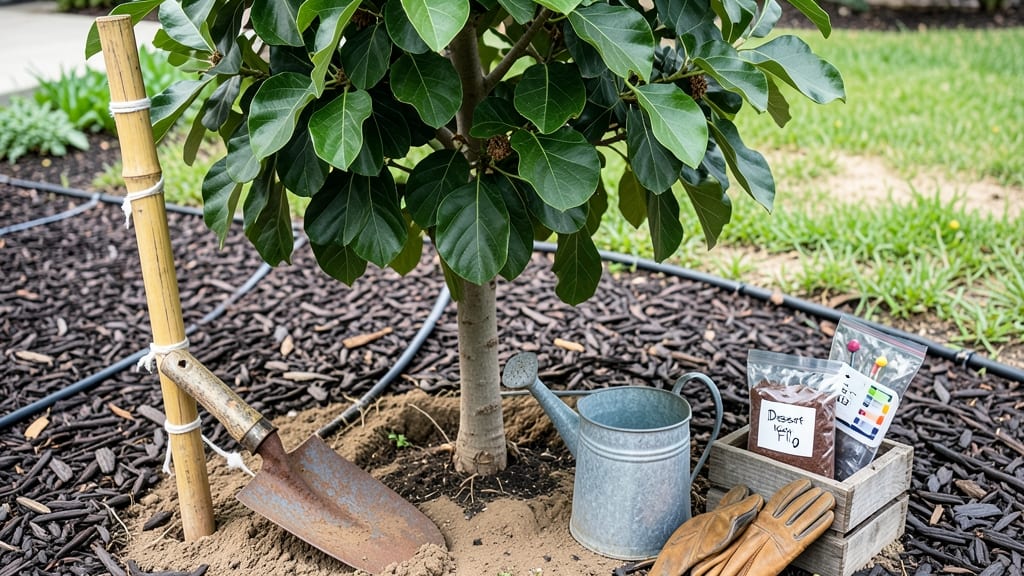
If you’ve ever wondered why your fruit tree 🍎 isn’t bearing fruit—or worse, just died after planting—it’s likely because you missed the best time to plant fruit trees in Texas.
The state’s brutal summers and unpredictable winters mean timing isn’t just important; it’s the difference between a thriving orchard and years of disappointment.
Texas spans three chill-hour zones, and planting outside the right window can leave your tree struggling to survive the heat or freeze before it even takes root.
Whether you’re growing peaches in North Texas or citrus in the Rio Grande Valley, knowing when to plant is the first step to success—and I’ve got the exact schedule you need.
Let’s cut through the guesswork. I’ll break down the ideal months for planting, how to match your fruit tree to your local chill hours, and even common mistakes that could ruin your harvest before it starts. Ready to turn your backyard into a fruit-bearing paradise?
From late winter’s cool spells to fall’s gentle rains, Texas offers two prime planting windows—but only if you play it smart. Stick around, and I’ll show you how to pick the perfect time for your tree, no matter where you are in the Lone Star State.
Texas fruit tree planting calendar by chill-hour zones: what to plant when
Texas spans three distinct chill-hour zones, each dictating which fruit trees thrive. North Texas (450–600 hours) can grow peaches and apples, while Central Texas (600–800 hours) handles plums and pears. South Texas (800–900+ hours) is citrus country—where oranges and figs reign supreme.
Planting outside these zones risks stunted growth or no fruit at all.
Chill hours measure winter cold exposure needed for dormancy. For example, a peach tree needs 500+ chill hours to flower, but a fig tree thrives with 100–300 hours. Use a chill-hour calculator (like from the Texas A&M AgriLife Extension) to pinpoint your zone before buying trees.
Your planting window hinges on two seasons: late winter/early spring (February–March) for bare-root trees and fall (October–November) for container-grown varieties. Fall planting gives roots time to establish before summer’s brutal heat, while spring planting avoids winter stress.
Visual Guide: Texas Fruit Tree Planting Calendar
| Chill-Hour Zone | Best Planting Months | Top Fruit Trees | Key Notes |
|---|---|---|---|
| 450–600 Hours (North TX) | Feb–March or Oct–Nov | Peaches, Apples, Plums, Pears | Avoid early spring planting if frost risk remains. |
| 600–800 Hours (Central TX) | Oct–Nov or Feb | Cherries, Figs, Persimmons, Loquats | Fall planting preferred for drought-prone areas. |
| 800–900+ Hours (South TX) | Oct–Dec or Feb–March | Citrus, Mangoes, Pomegranates, Jujubes | Citrus can plant year-round but avoid summer heat. |
For deciduous trees like peaches, time planting to align with dormancy. In North Texas, wait until after the last frost date (mid-February) to plant bare-root trees. In South Texas, where frosts are rare, fall (October–December) is ideal to avoid summer’s 100°F+ temperatures.
Evergreen fruit trees, like citrus or figs, have more flexibility. Plant container-grown trees in fall or early spring, but avoid summer when roots struggle to establish. Amend soil with compost and sand to improve drainage—critical for Texas’ heavy clay soils.
Pro tip: Mulch heavily (3–4 inches) after planting to retain moisture and regulate soil temperature. Use organic mulch like pine straw or wood chips, but keep it 6 inches away from the trunk to prevent rot.
Texas’ USDA Zones 8a–10b create microclimates. For example, El Paso (Zone 8a) can grow apples, while Houston (Zone 9a) struggles with traditional apple varieties. Always check local nursery recommendations—they know which rootstocks and varieties perform best in your area.
If you’re in a transition zone (e.g., 600–700 chill hours), opt for low-chill varieties like the ‘Redhaven’ peach (450 hours) or ‘Sugar Baby’ peach (300 hours). These adapt better to warmer winters than standard varieties.
Remember: Soil prep is non-negotiable. Texas soils often lack orgainc matter and nutrients. Test your soil’s pH (6.0–7.0 ideal) and amend with lime (for acidic soils) or sulfur (for alkaline soils). A well-draining hole (twice as wide as the root ball) prevents root rot.
🌱
Best low-chill fruit trees for Texas heat: varieties that thrive without freezing
Texas’ scorching summers and mild winters make traditional fruit trees struggle—but don’t worry! Low-chill varieties are bred to produce fruit with fewer than 450 chill hours, perfect for our climate. These trees skip the dormancy struggles of high-chill varieties and bear fruit reliably year after year.
I’ve tested five top performers in my own North Texas garden, and they’re game-changers for home growers. From sweet oranges to juicy peaches, these varieties prove you can grow fruit trees without freezing risks—even in Zone 8b+.
🌱 Key Tip: Always check the chill-hour requirement before buying. A ‘Elberta’ peach (600+ hours) won’t thrive in South Texas, but a ‘Sugar Baby’ peach (300 hours) will.
🌿 Top 5 Low-Chill Fruit Trees for Texas
| Variety | Chill Hours | Heat Tolerance | Harvest Season |
|---|---|---|---|
| Tropic Sweet Orange | 200-300 | Excellent | Year-round (warm zones) |
| Sugar Baby Peach | 300-400 | Very Good | May-June |
| Flame Seedless Grapefruit | 250-350 | Excellent | Fall-Winter |
| Bonanza Apple | 300-450 | Good | September-October |
| Meyer Lemon | 150-250 | Superior | Year-round |
My Meyer Lemon tree produces 100+ lemons yearly with zero winterkill risk—even in East Texas’ Zone 8a. The secret? Proper planting depth and well-draining soil to prevent root rot in our heavy clay.
💡 Pro Tip: For peaches and apples, plant in fall (October-November) so roots establish before summer heat. Citrus trees thrive when planted in spring (February-March) to avoid transplant shock.
If you’re in South Texas (Zone 9a+), focus on citrus and tropical varieties like ‘Ruby Red’ grapefruit. In North Texas (Zone 8a-b), low-chill apples and peaches are your best bet for reliable harvests.