
Plants
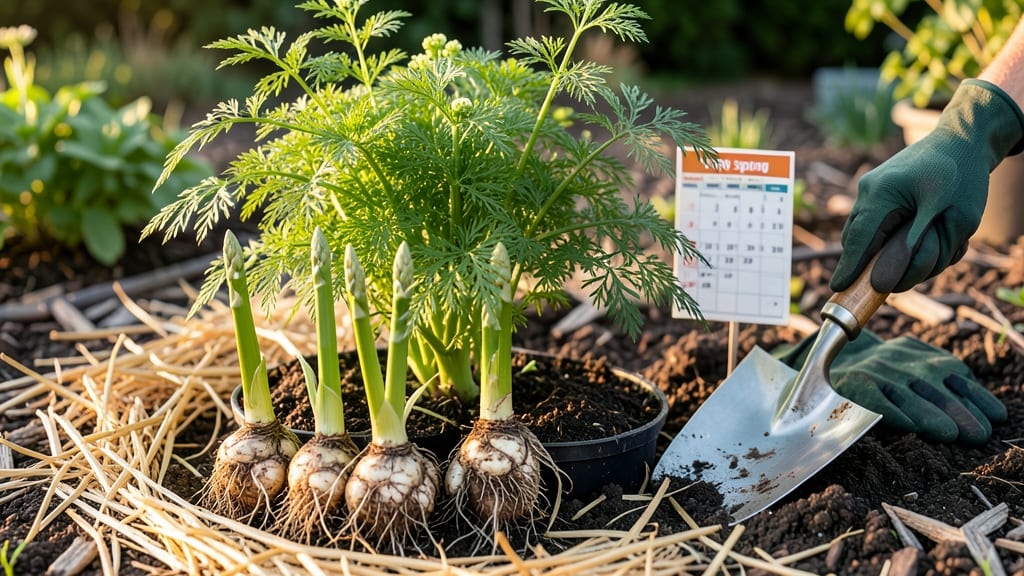
Timing your asparagus planting in North Texas isn't just about the calendar—it's about beating the heat, avoiding frost, and giving those crowns the perfect window to establish roots.
If you plant too early, you risk losing your 🌱 asparagus to late winter freezes, while waiting too long means battling summer's brutal dryness before roots can settle in.
For gardeners in USDA Zone 8a, the sweet spot is late winter to early spring—think February through March—when soil temperatures hit that critical 50–60°F range.
This timing lets your asparagus take root before the ground turns to concrete under North Texas sun, setting you up for a harvest in 2–3 years.
But here's the kicker: asparagus isn't a one-and-done crop. Those crowns need patience—3+ years before you'll see those prized spears—but the right timing now means fewer headaches later.
Whether you're a first-timer or a seasoned gardener, I'll walk you through the exact steps to plant asparagus so it thrives in our unpredictable climate.
Ready to skip the guesswork? Let's dive into the cold-hardy varieties that perform best here, soil prep secrets, and how to protect your plants from North Texas' infamous heat waves—without sacrificing that first harvest.
Best planting months for asparagus in North Texas (with exact soil temperature rules)
Timing your asparagus planting in North Texas isn’t just about picking a month—it’s about soil temperatures and avoiding the region’s extreme heat. The ideal window is late winter to early spring, when soil warms to 50–60°F, but fall planting is also possible if you act fast.
Let’s break down the exact rules for North Texas’ USDA Zone 8a to ensure your crowns thrive.
Most gardeners in Dallas, Fort Worth, and Wichita Falls plant asparagus crowns in March, about 4–6 weeks before the last frost (typically March 15). However, fall planting in September–October works too, provided soil temps stay above 50°F.
The key is giving roots time to establish before summer’s brutal 100°F+ heat sets in.
Why soil temperature matters: Asparagus crowns won’t sprout until soil reaches 50°F, and roots need 60°F+ to grow aggressively. Using a soil thermometer is your best tool—plant when temps consistently hit 55–60°F. In North Texas, this usually aligns with mid-March for spring or late September for fall.
Here’s the golden rule: Plant asparagus 4–6 weeks before your last frost date (March 15 for most of North Texas). This gives crowns time to root before spring’s unpredictable freezes or summer’s scorching heat.
For example, if you’re in Lubbock (Zone 8b), aim for late February, while East Texas gardeners can wait until early April.
| Planting Window | Soil Temp Requirement | North Texas Cities | Key Consideration |
|---|---|---|---|
| Late Winter (Feb–March) | 50–60°F | Dallas, Fort Worth, Wichita Falls | Avoid spring freezes; plant 4–6 weeks before last frost. |
| Fall (Sept–Oct) | 50–60°F | Lubbock, Amarillo | Roots must establish before first frost (Nov 15). |
| Early Spring (April) | 60°F+ | East Texas (Tyler, Longview) | Soil warms later; wait until temps stabilize. |
If you’re planting in fall (September–October), act fast—North Texas’ first frost hits around November 15. Crowns need 6–8 weeks to root before winter dormancy. For example, in Amarillo (Zone 7b), aim for late August to ensure roots establish before 30°F freezes.
Pro tip: Mulch heavily after planting to retain moisture and regulate soil temps. Use 2–3 inches of straw or wood chips, especially in spring or fall, to protect crowns from temperature swings.
This is critical in North Texas, where daytime highs of 90°F can meet nighttime lows of 40°F within weeks.
Container growing is possible in North Texas, but timing is trickier. Use large pots (18"+ deep) and plant in late April–May to avoid early spring freezes. Move containers to a protected spot if frost is forecasted. Just remember: asparagus needs deep roots, so containers limit long-term success.
One common mistake? Waiting until April or May to plant. By then, soil is often too hot (70°F+), stressing crowns. Instead, plant in March and water deeply every 7–10 days to encourage root growth before summer heat arrives.
Patience pays off—asparagus takes 2–3 years to produce spears, but proper timing ensures a 30-year harvest.
For container gardeners, choose compact varieties like ‘Mary Washington’ and plant in late spring after all frost risk has passed. Use a well-draining potting mix with compost to mimic garden soil. Just be prepared to harvest fewer spears due to root restrictions.
Best planting months for asparagus in North Texas (with exact soil temperature rules)
North Texas' USDA Zone 8a climate creates a tight window for planting asparagus—too early and you risk frost damage, too late and your crowns struggle to establish before summer heat. The ideal planting window is February through March, when soil temperatures consistently stay between 50–60°F.
This timing lets asparagus roots develop before the ground bakes under 100°F+ summer temperatures. For those in Dallas or Fort Worth, aim for late February to early March, while Lubbock gardeners should push to March to avoid early spring freezes.
🌱
North Texas Asparagus Planting Timeline
| Stage | Action | Soil Temp | North Texas Timeframe |
|---|---|---|---|
| Soil Prep | Test pH (6.5–7.5), amend with compost | Any time | Fall or early winter |
| Plant Crowns | 6–8" deep, 12–18" apart | 50–60°F | Feb–Mar |
| First Year | No harvest, focus on root growth | Warm season | Spring–Fall |
| Harvest Ready | Spears 6–8" tall, tips closed | Spring temps | Year 3+ (April–May) |
⏰ Pro Tip: Use a soil thermometer to confirm temps before planting—cold soil delays root growth.
Fall planting (September–October) is also possible in North Texas, but it requires extra care. Plant crowns 8–10 weeks before first frost (typically by October 15) to allow roots to establish before winter dormancy. However, fall-planted asparagus may need row covers for early freezes.
One common mistake? Waiting until April when soil is already too warm. Asparagus roots struggle above 65°F, leading to weak plants. Instead, prioritize February–March planting and use mulch to keep soil cool during summer.
For container growing in North Texas, plant in large pots (15+ gallons) and move them to shade during peak summer heat. Just remember: containers dry out faster, so water deeply 2–3x weekly during growing season.
🌡️