
Trees
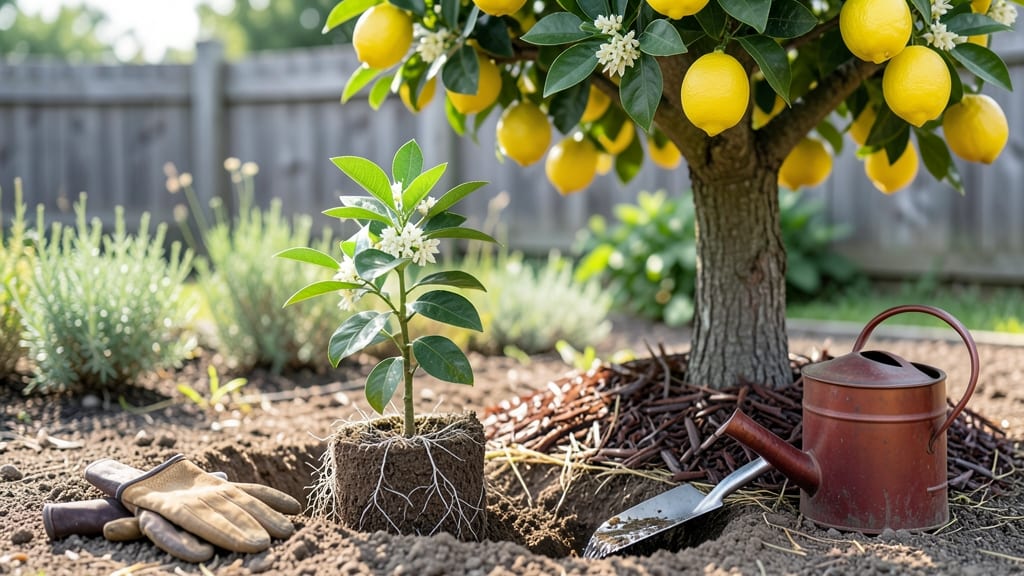
Timing your Citrus Tree 🍊 planting in Phoenix isn’t just about the calendar—it’s about beating the heat and avoiding hidden risks that could turn your dream orchard into a sad statistic.
While Phoenix’s frost-free winters make citrus trees seem foolproof, the real challenge is navigating the intense 9b zone summers that can scorch young roots if planted too late.
Most gardeners assume "winter" means January, but that’s where they go wrong. The best window actually stretches from November through February, giving your tree’s roots time to establish before the brutal spring sun arrives.
Think of it like planting a cactus—too early, and you risk heat stress; too late, and you’re playing catch-up with the desert’s relentless schedule.
Here’s the game-changer: Phoenix’s microclimates mean your neighbor’s "perfect" planting time might be a disaster for your yard. We’ll break down exactly how to read your soil, pick the right variety for your elevation, and even when to hold off if monsoon rains are lurking.
Spoiler? The 3-step prep before planting could save you from years of frustration.
Ready to skip the guesswork? Let’s dive into the exact months, soil secrets, and post-planting care that’ll have your 🍊 Citrus Tree thriving year-round—no matter how hot Phoenix gets. Your future lemons (and wallet) will thank you.
Phoenix citrus planting calendar: best months by microclimate
Phoenix’s USDA Zone 9b climate offers a narrow but critical window for planting citrus trees—November through February—when temperatures are mild enough to prevent transplant shock while avoiding the extreme heat of summer.
Unlike northern climates, Phoenix’s rare frost risk (typically below 28°F) is minimal, but microclimates near higher elevations (like North Phoenix) can still experience light freezes.
Timing isn’t just about avoiding frost; it’s also about soil temperature. Citrus roots thrive when soil stays above 60°F. In Phoenix, soil temps drop to ideal levels by late November, giving your tree’s roots time to establish before the spring heatwave arrives.
Planting too late—after Marchheat stress and slower root development, stunting growth for years.
Here’s how Phoenix’s two dominant microclimates—Valley floor (e.g., Tempe, Mesa) and higher elevations (e.g., Scottsdale, Carefree)—affect your planting timeline:
| Microclimate | Best Planting Window | Soil Temp Goal | Frost Risk | Soil Prep Month |
|---|---|---|---|---|
| Valley Floor (e.g., Tempe, Mesa) | November–January (peak: December) | 60–70°F | Very Low (rare below 28°F) | October–November |
| Higher Elevations (e.g., Scottsdale, Carefree) | December–February (peak: January) | 60–65°F | Moderate (light freezes possible) | November–December |
| Critical Note: Avoid planting in October (Valley) or March (anywhere)—soil temps and heat stress become problematic. | ||||
For Valley floor areas, December is the sweet spot: cooler nights (40–50°F) and daytime highs in the 60s create ideal conditions for root establishment. In higher elevations, wait until January to avoid even the slightest frost risk, which can blacken leaves and delay fruiting by months.
Soil preparation is just as critical as timing. Phoenix’s clay-heavy soil drains poorly, leading to root rot—the #1 killer of young citrus trees. Amend your planting hole with 50% native soil and 50% compost (or a citrus-specific potting mix if container-growing).
Test your soil’s pH—citrus thrives in 6.0–7.0; Phoenix’s native soil often skews alkaline (7.5+). Adjust with elemental sulfur if needed.
Transplant shock is your next battle. Newly planted citrus trees wilt dramatically for 2–3 weeks as they adjust. To minimize stress, prune 1/3 of the canopy before planting and water deeply every 5–7 days for the first month.
Avoid fertilizing until 6 weeks post-planting—your tree’s energy should go to roots, not leaves.
Pro tip: Use windbreaks (e.g., burlap screens) if planting near open areas. Phoenix’s dry winds can desiccate leaves, slowing growth. Mulch with 3–4 inches of wood chips to retain moisture and regulate soil temperature. Replace mulch annually to prevent voles (a common Phoenix pest) from nesting near roots.
Once your citrus tree is in the ground, monitor for aphids and scale insects, which thrive in Phoenix’s dry heat. A neem oil spray applied every 2 weeks during spring and fall keeps pests at bay without harming beneficial insects.
With the right timing and care, your tree will bear fruit in 1–2 years—far faster than the 3–5 years it takes in cooler climates.
🌱
Phoenix citrus planting calendar: best months by microclimate
Phoenix’s mild winters and intense summers create a unique window for planting citrus trees. Unlike northern climates, we don’t have to worry about frost, but heat stress and transplant shock become critical factors.
The ideal time to plant is during the coolest months, when temperatures are stable and roots can establish before summer’s arrival.
While Phoenix rarely sees frost, microclimates still play a role. Lower elevations like Metro Phoenix (USDA Zone 9b) have slightly warmer winters, while higher areas like Carefree or Cave Creek (Zone 8a) experience cooler nights. This means your planting timeline may shift by 2-4 weeks depending on elevation.
Here’s the breakdown of optimal planting windows with heat risk and soil prep timing to prevent transplant shock:
| Month | Best For | Heat Risk | Soil Prep | Transplant Shock Risk |
|---|---|---|---|---|
| November | Low elevations (Metro Phoenix) | Low | Amend soil with compost | Low |
| December | All elevations (safest month) | Very Low | Add citrus-specific fertilizer | Very Low |
| January | High elevations (Carefree, Cave Creek) | Low | Mulch heavily (3-4 inches) | Low |
| February | Urgent for dwarf varieties | Moderate (rising temps) | Install windbreaks if needed | Moderate |
| March | Last chance (high risk) | High | Deep watering schedule | High |
For container-grown citrus, you can extend your window slightly into March, but be prepared for increased heat stress. Always choose dwarf or semi-dwarf varieties for containers—they adapt better to Phoenix’s intense sunlight and temperature swings.
Pro tip: If planting in February or March, provide afternoon shade for the first 2-3 weeks using shade cloth. This mimics the natural cooling period citrus trees experience in their native subtropical climates.
Remember, soil temperature matters just as much as air temperature. Citrus roots prefer 60-75°F soil. Use a soil thermometer to confirm conditions before planting—this is especially critical in March when ground temps can spike quickly.