
Plants
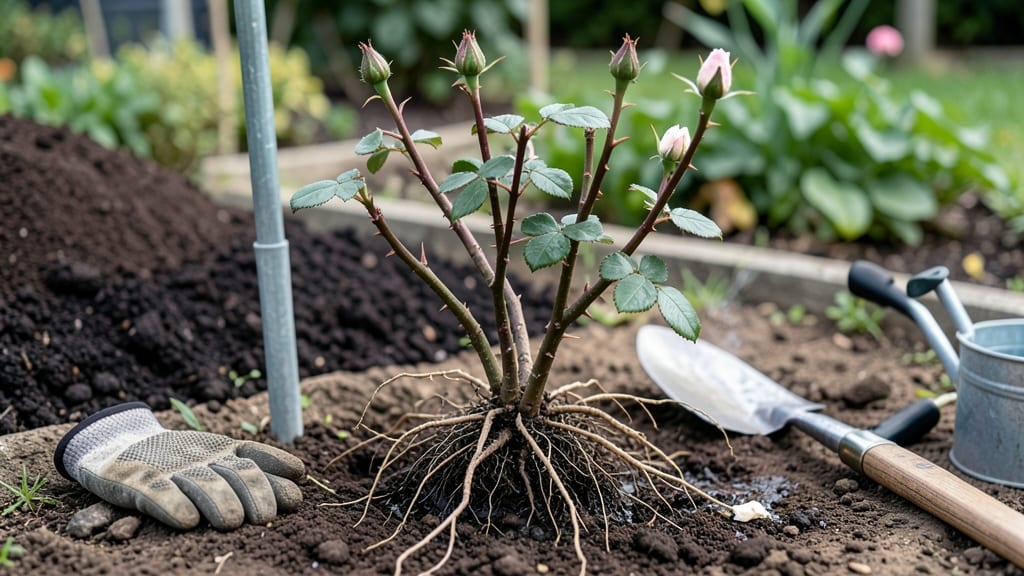
Timing when to plant bare root roses in Zone 8 can make or break your garden's success—especially when those cool winter months blur into unpredictable spring weather. Plant too early, and frost may still threaten; too late, and your roses miss the critical growth window before summer heat sets in.
I’ve learned the hard way that Zone 8’s mild winters (like ours) demand precision—bare root roses thrive when planted between November and February, but the ideal sweet spot is late winter (February to early March).
This gives roots time to establish before the heat of spring arrives, setting your 🌹 roses up for a spectacular first bloom.
What separates a thriving rose bush from a struggling one? It’s not just the calendar—it’s understanding your soil’s readiness, avoiding frost dates, and knowing which cold-hardy varieties will survive Zone 8’s quirks. Let’s cut through the guesswork so you can plant with confidence and watch your garden transform.
In this guide, I’ll walk you through the exact planting window, soil prep secrets, and post-planting care to ensure your bare root roses take root—literally—and flourish for years. No more second-guessing, just blooms you’ll be proud of.
Optimal planting windows for bare root roses in Zone 8
Zone 8’s mild winters and hot summers create a unique challenge for planting bare root roses. Unlike colder climates, you can plant in two ideal windows: late fall and late winter.
Each offers distinct advantages, so let’s break down the best times, soil conditions, and seasonal considerations to ensure your roses thrive.
The primary planting window in Zone 8 is late fall (November), giving roots time to establish before winter dormancy. This is especially critical because Zone 8’s winters rarely drop below 20°F (-6°C). Planting then reduces transplant shock and allows roots to harden off naturally.
Your second best option is late winter (February), just before bud break. This timing capitalizes on Zone 8’s mild winter temperatures and avoids the heat stress of spring planting. However, avoid planting too early—wait until soil temperatures rise above 45°F (7°C) to prevent root rot.
Soil temperature is your best indicator—use a soil thermometer to confirm it’s above 50°F (10°C) before planting. In Zone 8, this typically aligns with mid-February to early March. Cooler soil helps roots establish without competing with rapid spring growth.
Zone 8’s hot summers also influence timing. Planting in fall or late winter avoids the intense heat stress of summer, which can stunt root development. If you miss these windows, May planting is possible but requires extra care—water deeply and mulch heavily to protect roots from drying out.
🌹
| Planting Window | Best Months | Soil Temp | Key Advantages | Risks to Avoid |
|---|---|---|---|---|
| Late Fall | November | 50–60°F (10–15°C) | Roots establish before winter; less transplant shock | Planting too late (after first frost) |
| Late Winter | February–Early March | 45–55°F (7–13°C) | Avoids summer heat; aligns with bud break | Planting in freezing soil (below 40°F/4°C) |
| Early Spring (Backup) | May | 60°F+ (15°C+) | Last resort; requires extra water | Heat stress; poor root establishment |
For bare root roses, always soak roots for 1–2 hours before planting to rehydrate them. In Zone 8, aim to plant when daytime highs are 60–70°F (15–21°C)—this balance reduces stress while allowing roots to absorb moisture.
After planting, mulch heavily (3–4 inches) with organic matter to retain moisture and insulate roots.
Zone 8’s mild winters mean you can also plant in early fall (October) if your area rarely drops below 25°F (-4°C). However, avoid planting after the first frost, as frozen soil can damage delicate roots. Use a soil thermometer to confirm temperatures are stable above 40°F (4°C).
Pro tip: Amend your soil with compost or aged manure before planting to improve drainage—a critical factor in Zone 8’s clay-heavy soils. Roses hate soggy roots, so ensure your planting site has well-draining soil with a pH of 6.0–6.5. Test your soil in advance to adjust as needed.
If you’re unsure about timing, late February is your safest bet in Zone 8. By then, the risk of frost has passed, and soil temperatures are ideal for root growth. Just be prepared to water deeply in the weeks following planting to support establishment.
💧
Optimal planting windows for bare root roses in Zone 8
Zone 8 gardeners enjoy a unique advantage for planting bare root roses—mild winters and warm summers create a longer planting window than colder zones. But timing still matters to ensure your roses establish strong roots before summer heat arrives.
The ideal window spans from late fall to early spring, with two peak periods offering the best success.
First, plant in late fall (November) when soil temperatures dip below 60°F but before frost arrives. This gives roots time to settle before winter dormancy.
Alternatively, early spring (March-April) is the safest option—after the last frost but before summer heat peaks. Both windows minimize transplant shock while avoiding extreme temperatures.
| Planting Window | Ideal Months | Soil Temp | Key Conditions |
|---|---|---|---|
| Late Fall | November | 50-60°F | Cool, damp soil; no frost |
| Early Spring | March-April | 55-65°F | After last frost; moist soil |
| Avoid | June-August | N/A | Extreme heat; drought risk |
For Zone 8, March is prime—soil warms enough for root growth, but summer’s 100°F+ heat hasn’t arrived yet. If you miss this window, early November works too, but prioritize watering and mulching to protect roots from winter fluctuations.
Pro tip: Check your local frost dates—Zone 8’s last frost often lands in mid-January, so spring planting should wait until February at the earliest.
Soil temperature is critical—bare roots need cooler soil (50-65°F) to avoid root desiccation. Use a soil thermometer to confirm conditions before planting. In Zone 8, afternoon shade helps maintain ideal temps during spring planting, while morning sun warms soil faster in fall.
Always plant on a cloudy day or early morning to reduce stress.
Once planted, deep watering (1.5 gallons per plant) is non-negotiable. Zone 8’s drought-prone summers mean newly planted roses need consistent moisture for the first 6-8 weeks.
Pair this with 2-3 inches of mulch to retain soil moisture and regulate temperature. Skip this step, and you risk stunted growth or wilting before roots establish.
Remember: Bare root roses in Zone 8 thrive when planted before summer heat or after summer’s peak. Rush it, and you’ll battle heat stress and poor root development. With the right timing, your roses will reward you with vibrant blooms from spring through fall. 🌹