
Plants
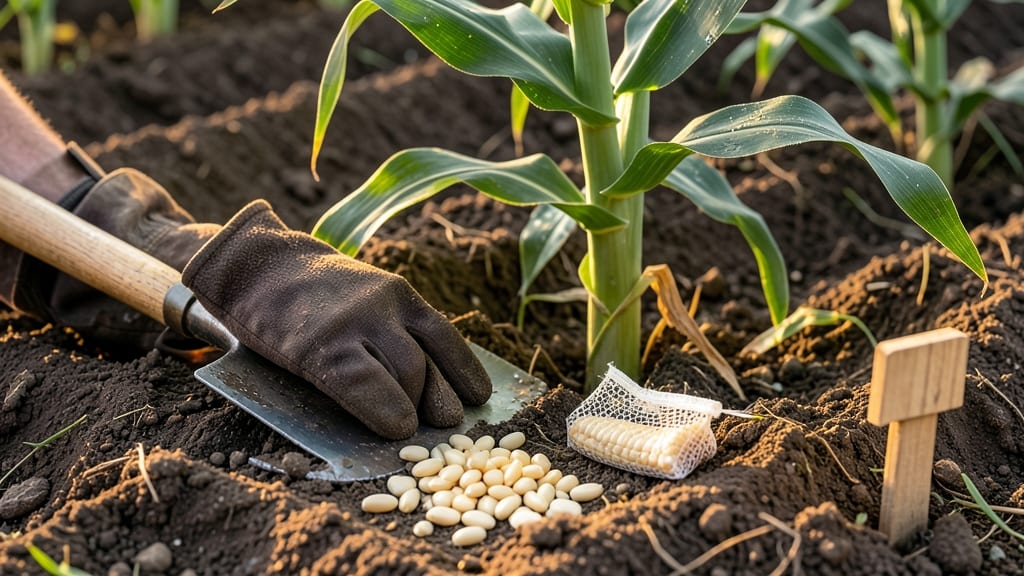
Timing your 🌽 corn planting in North Alabama is the difference between a bumper crop and wasted seeds—because one late frost or a heatwave can turn your hard work into a loss before it even starts.
With Zone 7a’s unpredictable spring weather, knowing exactly when to plant isn’t just helpful—it’s essential.
The window between last frost (around March 15) and the start of summer heat is narrow, and choosing the wrong variety or planting too early can leave your corn vulnerable to cold snaps or too-hot conditions.
I’ve dug into local agricultural data to break down the perfect planting deadlines for early, mid, and late-season corn varieties in your area. Whether you’re growing sweet corn for the table or field corn for livestock, these insights will help you avoid common mistakes and maximize your harvest.
Ready to turn your garden into a cornfield? Let’s dive into the exact dates, soil temperature tips, and variety recommendations that work best for North Alabama’s climate—so you can enjoy fresh ears from late July to early October.
North Alabama Zone 7a corn planting deadlines: frost-free timeline by variety
Planting corn in North Alabama’s Zone 7a hinges on two critical factors: soil temperature and last frost dates. The average last frost date is around March 15, but late frosts can linger into April, especially in high-altitude areas like Huntsville or Chattanooga.
To avoid frost damage, wait until soil temperatures consistently reach 60°F, which typically happens by mid-April. Planting too early risks stunted growth, while waiting too long may shorten your harvest window before fall frosts arrive in November.
Corn varieties differ in maturity times, so your planting window depends on whether you’re growing early-season, mid-season, or late-season types. Early varieties like ‘Silver Queen’ mature in 60–70 days, while late varieties like ‘Peaches and Cream’ take 90–100 days.
For Zone 7a, aim to plant early varieties by late April and late varieties by early May to ensure harvests finish before first frost in mid-November.
Here’s a quick reference for Zone 7a corn planting deadlines based on variety type and frost-free days:
| Variety Type | Days to Maturity | Planting Window | Harvest Window | Key Notes |
|---|---|---|---|---|
| Early Season (Sweet Corn) | 60–75 days | Late April–early May | Late July–early August | Fastest harvest; ideal for short seasons. |
| Mid-Season (Sweet Corn) | 75–90 days | Early–mid May | Mid-August–late September | Balanced yield; best for home gardens. |
| Late Season (Field/Popcorn) | 90–120 days | Early May–late May | Late September–October | Riskier; use frost cloth for protection. |
For sweet corn, prioritize early to mid-May planting to align with peak summer heat and humidity—corn thrives in 80–90°F conditions. If you’re growing popcorn or field corn, plant by early May to ensure kernels fully dry before frost.
Pro tip: Use a soil thermometer to confirm 60°F+ soil temps before sowing seeds 1 inch deep and 12 inches apart in rows 30 inches apart.
One common mistake in Zone 7a is planting late-season varieties too late. If you miss the early May window, your corn may not mature before fall frosts hit in November.
To extend your season, consider succession planting: Sow early varieties every 2 weeks from late April to mid-May for staggered harvests. This ensures you’re always picking fresh ears without overwhelming your garden at once.
Another critical factor is microclimates. Areas like Decatur or Madison, which sit in valleys, often experience later frosts than higher elevations. If you’re in a valley, delay planting by 1–2 weeks or use black plastic mulch to warm the soil faster.
Conversely, urban areas like Huntsville can experience heat islands, allowing earlier planting—just monitor soil temps closely.
For transplants, which are less common for corn but useful in short seasons, start seeds indoors 2–3 weeks before your last frost date. However, corn doesn’t transplant well, so direct sowing is preferred.
If you must transplant, harden off seedlings for 7–10 days and plant deeply to encourage root growth. Avoid transplant shock by watering deeply the day of planting and using compost-rich soil to reduce stress.
Finally, keep an eye on Alabama Extension Service updates for real-time frost alerts. Their 340-day frost-free calendar is tailored to Zone 7a and often adjusts deadlines based on unpredictable spring weather.
By aligning your planting with these guidelines, you’ll maximize your corn yield and avoid the heartbreak of frost-nipped ears.
Ready to plant? Mark your calendar for mid-April soil checks and late April–early May sowing—your future corn cobb will thank you!
North Alabama Zone 7a corn planting deadlines: frost-free timeline by variety
In North Alabama’s Zone 7a, your corn planting window is tight—just 8-10 weeks between last frost (March 15) and summer heat. Plant too early, and a late frost will kill tender seedlings; too late, and your crop won’t mature before fall frosts (November 15).
The key is aligning your variety’s maturity days with your local frost-free window of 165 days.
For sweet corn, aim to plant mid-April to early May for harvests from late July to early October. Field corn and popcorn need slightly earlier starts (late March to mid-April) to reach maturity before frost.
Soil temperature is your best guide—wait until it hits at least 60°F at a 4-inch depth to ensure germination.
Here’s a breakdown of planting deadlines by variety type, based on North Alabama’s climate data and USDA Zone 7a guidelines:
| Variety Type | Maturity Days | Planting Window | Soil Temp Threshold | Harvest Window |
|---|---|---|---|---|
| Early Sweet Corn | 60-70 days | Mid-April to late April | 60°F+ | Late July to early August |
| Mid-Season Sweet Corn | 75-85 days | Early to mid-May | 60°F+ | Early to mid-September |
| Late Sweet Corn | 90+ days | Late April to early May | 60°F+ | Mid-September to early October |
| Field Corn | 100-120 days | Late March to mid-April | 55°F+ | Late August to October |
| Popcorn | 85-100 days | Early to mid-April | 60°F+ | Late August to September |
Pro tip: Use black plastic mulch to warm soil faster in early spring, or opt for transplants if your area experiences late frosts after April 15. This gives your corn a head start without risking cold damage.
For successive plantings, stagger your rows every 10-14 days to extend your harvest season. For example, plant early varieties in mid-April, mid-season in early May, and late varieties by May 15 to ensure a continuous supply of fresh ears.
Remember: Heat stress can also stunt corn growth in North Alabama’s humid summers. If temperatures exceed 90°F for prolonged periods, provide shade cloth or increase watering to 2 inches per week to keep roots cool.