
What changed, and what it changed for you
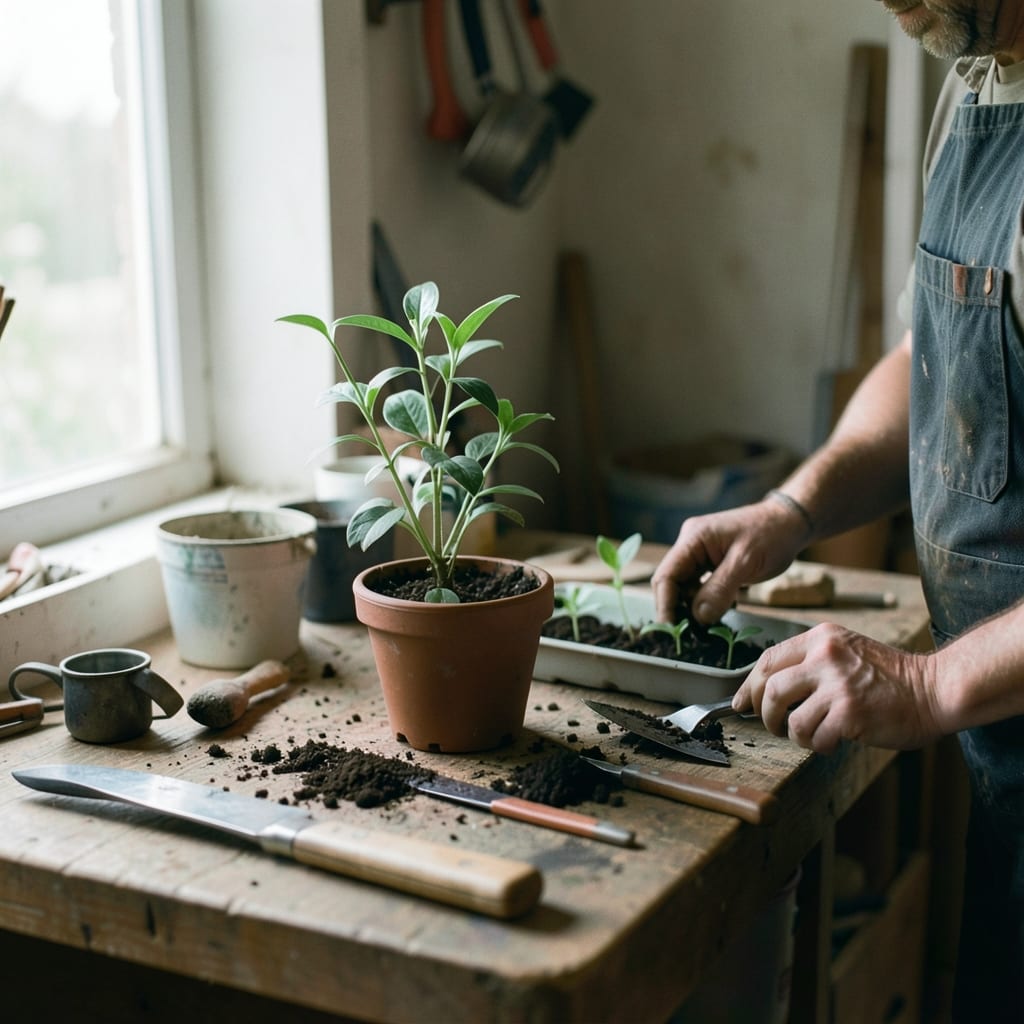
When this site started, it was a scrapbook of half-finished experiments: a single photo of a leggy basil plant, a rambling note about ‘the right way to mulch,’ no structure.
The first 50 posts were just me talking to myself—what worked in my grandpa’s Ohio garden with its sticky black soil, what didn’t. If you landed here then, you got a snapshot and a shrug.
Now? Every post is built around a question you’d actually ask: *‘Why did my tomatoes split?’* or *‘How do I fix compacted soil without a tiller?’* The soil tests, the pruning guides, the troubleshooting—it’s all tied to real problems in real gardens.
You can check for yourself: open any ‘Grow Guide’ and you’ll see a diagram, a timeline, and a list of what goes wrong at each step.
| It used to be | Now it is |
|---|---|
| A photo of a plant with no explanation | A step-by-step with soil pH, sunlight needs, and common pests |
| Generic ‘buy this tool’ links | Tested gear with pros/cons from actual gardeners |
| Seasonal advice that assumed perfect weather | Adjustments for drought, frost, or urban microclimates |
| No way to filter by plant type or skill level | Tags for ‘beginner,’ ‘drought-resistant,’ ‘container-friendly’ |
The one that took years
The first version of the soil section was just me repeating what my grandpa said: *‘Turn it, feed it, water it.’* No data, no exceptions.
It stayed that way for three years because I didn’t know how to measure the difference between ‘good soil’ and ‘soil that actually grows things.’ I’d take samples to the extension office, get back a pH number, and then ignore it—until I noticed my peppers thriving in one bed and wilting in another, both with the same ‘rich’ compost.
The break came when I met a permaculture designer who loaned me a cheap conductivity meter. I spent a weekend testing every square foot of my 500-square-foot plot. The results were embarrassing: half the ‘fertile’ soil was as dead as pavement.
Fixing it cost $200 in amendments, a month of daily watering, and three failed batches of compost tea. But the peppers finally set fruit, and I realized no one writes about the *real* cost of ‘good soil.’
Now every soil post includes a ‘diagnostic checklist’ with actionable fixes—like how to sweeten sand or drain clay—backed by my own test results. The meter cost $80. The time? Two hours a week for six months. The payoff? Plants that don’t just survive, but *tell you* what they need.
Meet the author

I used to believe gardening was about patience, not science. So I’d plant seeds too close together, blame ‘bad luck’ when they rotted, and swear off the whole thing by July.
My grandpa’s Ohio garden was my only reference: rows of corn, a few tomatoes, and the unspoken rule that if you watered enough, *something* would grow. I’d take photos of ‘successes’—like that one perfect zucchini—and call it a harvest, never noticing the aphids on the undersides of every leaf.
I’d also write about gardening like it was a hobby, not a skill. My early posts were full of ‘tips’ like *‘plant in the morning’* with no explanation of why that mattered for your specific soil or climate.
I’d link to big-box stores for tools I’d never used, and my ‘troubleshooting’ section was just a list of pesticides I’d read about in a catalog.
That changed when I realized I was lying to myself—and to you.
Now I write here as Wallace Everson, the guy who still overwatered his first batch of seedlings this spring and learned the hard way that ‘organic’ fertilizer labels don’t mean squat if the NPK ratio is wrong.
I test every recommendation in my own 500-square-foot plot (Ohio clay, full sun, and a family of squirrels that treat it like an all-you-can-eat buffet), and I only link to tools I’ve busted, bent, or broken trying to fix a problem.
If it’s not in these pages, it’s because I haven’t failed at it yet.
What did not change
The core belief is still the same: gardening should feel like a conversation, not a lecture. You’re not here for perfection—you’re here because you want to know *why* your basil bolted or how to coax life out of that sad potted fern.
The tone hasn’t shifted from the first post: no jargon, no ‘expert’ posturing, just the stuff I wish I’d known when I was digging holes in the dark.
And the failures? Those are still here too. The ‘Lessons Learned’ section at the end of every grow guide isn’t a mistake—it’s the point. I keep the photos of the split tomatoes and the moldy compost because they’re more useful than any ‘perfect’ example.
Gardening isn’t about avoiding problems; it’s about solving them when they happen.
What is still being fixed
Right now, we’re rewriting the ‘Pest Control’ section to stop treating chemicals as the first option. Every ‘natural remedy’ is being tested for actual effectiveness (spoiler: neem oil doesn’t work on squash bugs, and I have the chewed leaves to prove it). The goal?
A ranked list of fixes, from ‘do nothing’ to ‘nuke it,’ with the real-world trade-offs for each.
If you’ve got a pest problem that stumped you, or a soil type that defies logic, or a plant that refuses to cooperate—tell us about it. The contact page is where to send your questions, your war stories, and your ‘this doesn’t make sense’ moments.
We’re building this site one failed experiment at a time.
Things that would help
- Your ‘before and after’ photos of a soil fix (even if it didn’t work)
- A list of pests that outsmarted your ‘expert’ advice—and what finally stopped them
- The name of one tool you swear by (or one you’d ban from the garden)
The guides are grouped by category: Advice, Aphids, Blooming, Companion Plants, Container Gardens and Diseases.