
Plants
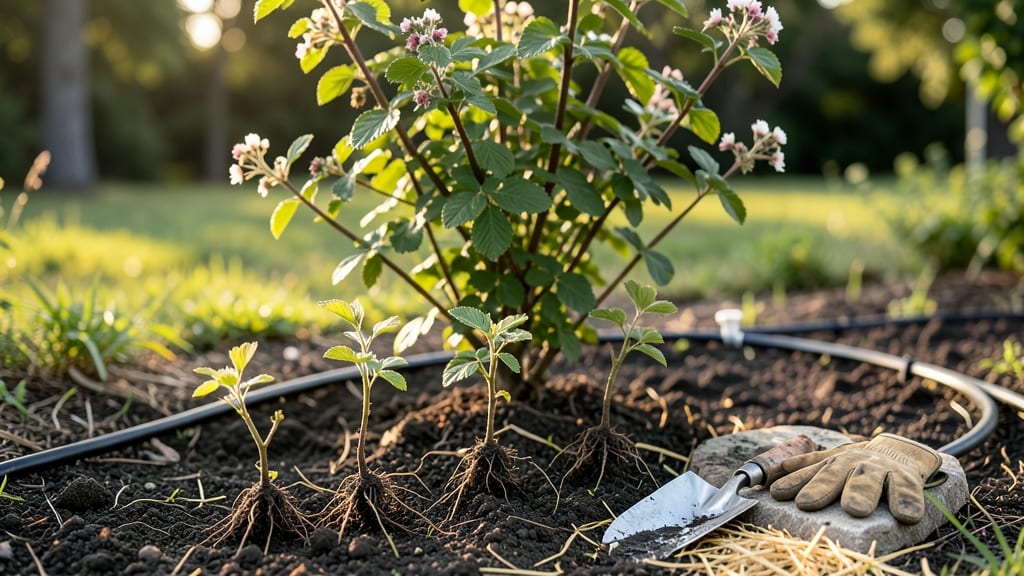
Timing your blackberry planting in Central Texas can mean the difference between a thriving 🫐 harvest and a failed crop—get it wrong, and you risk losing your plants to late frosts or scorching summer heat.
The key to success lies in understanding your local climate patterns, especially in USDA Zone 8a where temperatures swing dramatically between seasons.
Most Central Texas gardeners should aim to plant blackberries between late February and early March, giving young plants enough time to establish roots before the intense summer heat arrives.
This window aligns with the typical last frost date around February 15, but always double-check your specific microclimate for extra safety.
Whether you're planting bare-root canes or nursery-grown blackberries, proper preparation is everything. We'll cover the best varieties for heat tolerance, soil prep tips, and how to protect your plants from Texas' extreme temperatures—so you can enjoy a bountiful harvest from late spring through early fall.
Ready to grow blackberries that thrive in your Central Texas garden? Let's dive into the exact steps to plant at the perfect time, avoid common mistakes, and set your bushes up for success from day one.
Best planting months for blackberries in Central Texas: avoiding frost & heat stress
Central Texas gardeners face a unique challenge with blackberry planting—the last frost date can vary by 5-10 days from north to south within the region.
In USDA Zone 8a, the average last frost date falls around February 15, but microclimates near cities like Austin or San Antonio may experience frost-free conditions 1-2 weeks earlier. Timing your planting 3-4 weeks before this date ensures young canes establish roots before spring warmth arrives.
Planting too early risks frost damage to tender new growth, while waiting too long exposes plants to intense summer heat, which can stress root systems before they establish. My go-to strategy?
Aim for late February to early March—this window balances frost risk and soil warmth. For container-grown blackberries, you can extend planting into early April since they adapt slightly faster to heat.
🌱 Pro Tip: Check the National Weather Service or local Cooperative Extension Service for your exact last frost date. Even a single late frost in March can devastate young blackberry canes, so don’t rush the process!
If you miss the ideal window, don’t panic! Blackberries can tolerate light frosts once established, but new canes planted after March 15 may struggle with summer heat stress. My second-choice month is May, but only for container-grown plants with daily watering.
The trade-off? Slower initial growth, but you’ll still get fruit—just potentially smaller yields the first year.
Central Texas summers are brutal for young blackberries, with soil temps often exceeding 90°F. To mitigate this, I mulch heavily with straw or wood chips (3-4 inches deep) to insulate roots.
This simple step can improve survival rates by 30-40% during late-spring plantings. Pair this with drip irrigation to keep roots cool and moist.
💧 Heat Hack: Soak the planting hole 24 hours before transplanting to reduce shock. The extra moisture gives roots a head start in the dry Texas soil.
For gardeners in higher-elevation areas (e.g., Hill Country), the frost window shifts 1-2 weeks later. Always adjust your planting date based on elevation—every 1,000 feet gain adds 3-5 days to frost risk. Use the Texas A&M AgriLife Extension frost maps for precise local data.
Finally, everbearing varieties (like 'Arapaho') are slightly more forgiving with planting timing than summer-bearing types. They produce two crops per year and can handle earlier or later plantings better, making them ideal for beginners or those with tight schedules.
Just be prepared for a smaller first-year harvest if planted outside the ideal window.
☀️ Remember: Blackberries thrive on full sun (6-8+ hours daily), but afternoon shade in summer helps young plants acclimate to Central Texas heat.
Best planting months for blackberries in Central Texas: avoiding frost & heat stress
Central Texas's USDA Zone 8a climate creates a narrow window for planting blackberries—too early risks frost damage, while late planting exposes young plants to 100°F+ heat.
The ideal time is late February to early April, aligning with the last average frost date of February 15 in most areas like Austin and San Antonio.
For bare-root plants, aim to plant 3-4 weeks before last frost (typically mid-March). Nursery-grown blackberries can handle slightly later planting (April), but avoid summer heat stress by establishing roots before consistent 90°F+ temperatures arrive in May.
Use local frost data from sources like the National Weather Service or Texas A&M AgriLife Extension. In North Texas (Zone 8a), the window closes earlier (late February) due to colder microclimates, while South Texas (Zone 8b) can extend to early April.
| Planting Window | Frost Risk | Heat Risk | Best For |
|---|---|---|---|
| Late February | High (North TX) | Low | Bare-root plants |
| March | Moderate | Moderate | Nursery stock |
| Early April | Low | High | Heat-tolerant varieties |
| May | None | Very High | Avoid (stress risk) |
If you miss the spring window, fall planting (October) is possible but risky—young plants may struggle to establish before first frost (November 15). For container-grown blackberries, extend the window slightly by using black plastic mulch to warm soil and protect roots.
Pro tip: Plant everbearing varieties like 'Arapaho' slightly earlier (late February) to maximize spring harvests, while summer-bearing types (e.g., 'Natchez') can wait until March for larger fruit size.
Monitor your local microclimate—south-facing slopes warm faster, while low-lying areas hold frost longer. Use a minimum thermometer to track nighttime lows and adjust planting dates accordingly.