
Trees
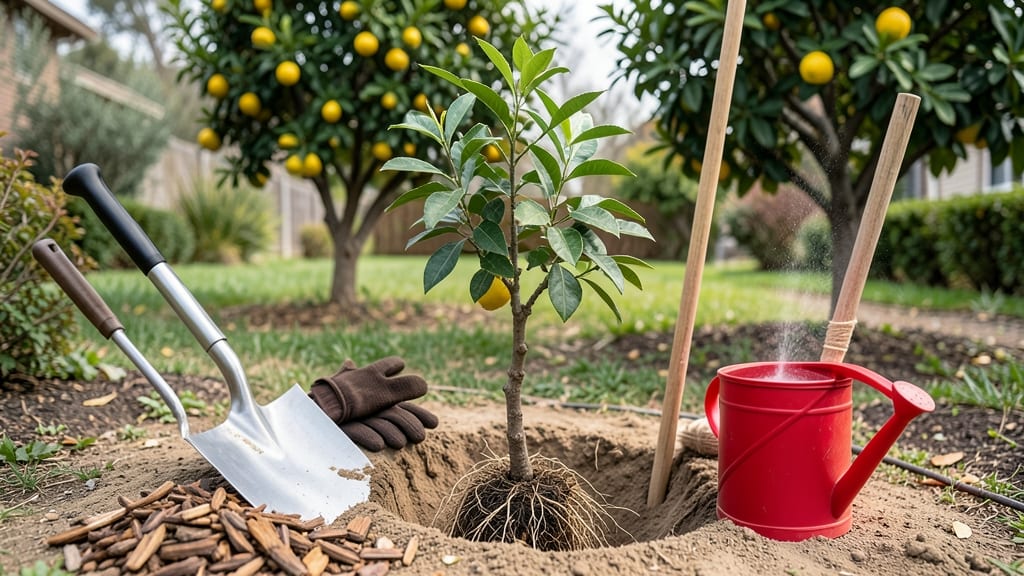
Timing your fruit tree planting in California isn’t just about the calendar—it’s about matching your 🍎 to the microclimate where it’ll thrive.
Whether you’re in frost-free coastal Zone 10 or the cooler Central Valley, planting too early or late can stunt growth or even kill young saplings before they take root.
The ideal window shifts depending on where you live: coastal gardeners can plant almost year-round, while inland areas need to time it right before the first frost. I’ll break down exactly when to dig in your region—plus the soil and weather cues that tell you it’s truly the perfect moment.
You’ll also discover how different fruit trees—like citrus, stone fruits, and apples—have unique needs. For example, citrus loves the mild coastal winters, while stone fruits need a chill period that’s harder to find in Zone 10. Let’s get your orchard off to the best possible start.
Ready to avoid common mistakes and set your fruit trees up for a lifetime of harvests? Let’s dive into the science—and the simple steps—behind planting them at the right time in California’s diverse zones.
Best planting months for fruit trees by California hardiness zones
California’s diverse climate—from frost-free coastal areas to high-desert regions—means there’s no one-size-fits-all answer for planting fruit trees. But late fall to early spring is the golden window for most varieties, aligning with cooler temperatures and soil moisture that encourage root establishment.
For example, Zone 7 (Sierra Foothills) gardeners should plant in October or November, while Zone 10 (Coastal) can extend planting into December or even January.
Why? Soil temperatures below 60°F (15°C) reduce transplant shock, and rainfall patterns (or supplemental irrigation) ensure young roots stay hydrated. In drought-prone areas like the Central Valley (Zone 9), planting in late winter (February-March) avoids summer heat stress.
Even citrus trees, which thrive in frost-free zones, benefit from fall planting to establish before their first flush of growth in spring.
Here’s the critical detail: Bare-root trees (common in nurseries) must be planted when dormant, typically November through March, while container-grown trees offer more flexibility—plant them year-round, but avoid summer heat (June-August) when roots can bake in the soil.
My go-to rule: If your region’s last frost date is in December, aim for October planting; if frost never arrives, November or even December works.
🌱 California Fruit Tree Planting Guide by Zone
| Zone | Region | Best Planting Months | Key Considerations |
|---|---|---|---|
| 7 | Sierra Foothills | October–November | Frost risk; plant before first frost (Dec 15). |
| 8 | Central Coast | November–December | Mild winters; avoid summer planting. |
| 9 | Central Valley | February–March | Drought-prone; water deeply post-planting. |
| 10 | Coastal (LA, SF) | November–January | No frost; prioritize soil moisture. |
| 11 | Desert (Palm Springs) | December–January | Extreme heat; use shade cloth for new trees. |
Pro Tip: Adjust for microclimates—e.g., valleys may be 2°F warmer than nearby hills. Test soil 2 weeks before planting to confirm it’s 50–60°F (10–15°C).
Let’s talk stone fruits—peaches, plums, and nectarines—because they’re picky about chill hours. These trees need 300–700 hours below 45°F (7°C) annually. In Zone 9 (Central Valley), plant late winter (February) to ensure they get enough chill before spring blooms.
Skip this in Zone 10 (Coastal)low-chill varieties (like Santa Rosa plums) are your best bet—and they can go in November or December.
For citrus trees, timing matters less for survival but maximizes yield. Plant in fall (October–November) so roots establish before the first flush of growth in spring.
In Zone 11 (Desert)summer planting—the 110°F+ soil can fry roots. Instead, opt for container-grown trees and plant in December when temps dip slightly.
One non-negotiable rule: Never plant when the ground is frozen or soil is waterlogged. In Zone 7 (Sierra), this means avoiding December if frost is forecast. Use a soil thermometer to check—ideal temps are 50–60°F (10–15°C).
I’ve learned this the hard way: A frozen root ball in January can kill a $100 tree before it even sprouts.
Here’s how to adjust for your microclimate:
- Coastal (Zone 10): Plant November–January; prioritize well-draining soil to prevent root rot from winter rains.
- Inland (Zone 9): Plant February–March; mulch heavily to retain moisture.
- Desert (Zone 11):
Signs your California soil and climate are ready for fruit tree planting
Before digging that hole for your new fruit tree, check if your California soil and microclimate are truly ready. The wrong timing—even by a few weeks—can stress young roots or invite pests. I’ve learned the hard way that soil temperature and moisture levels are non-negotiable for success.
Start by testing your soil temperature. Fruit trees thrive when soil is between 50°F and 65°F—ideal for root establishment. Use a soil thermometer (just $10 at garden centers) to check 6 inches deep.
Coastal areas like Zone 10 may hit this range as early as September, while inland Zone 7 might wait until November.
Next, assess moisture levels. Well-drained soil is critical—California’s clay-heavy soils can suffocate roots if waterlogged. Dig a small hole and fill it with water; if it drains within 24 hours, your soil is ready.
If not, amend with compost or sand to improve drainage. Fog patterns in coastal zones also signal readiness—morning fog means cooler nights, perfect for young trees.