
Companion Plants
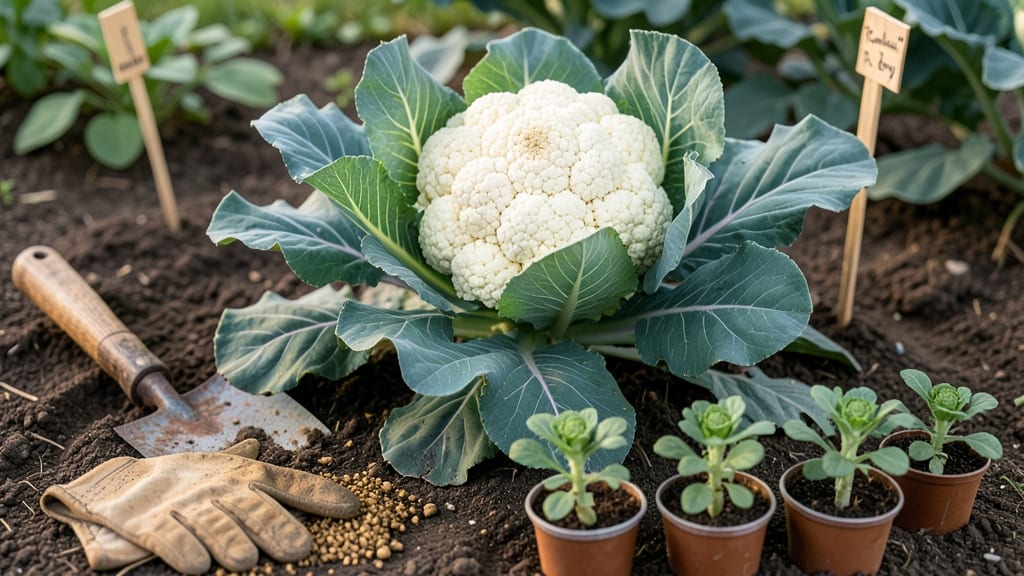
Timing your cauliflower 🥬 planting in Pennsylvania can mean the difference between a bountiful harvest and a bitter disappointment. The key to success lies in understanding your USDA Zone 6-7 climate, where frost dates and soil temperatures create a narrow window for perfect growth.
If you plant too early, your cauliflower might bolt before forming heads, while waiting too late risks stunted growth from summer heat. The ideal planting windows are early spring (March-April) or late summer (July-August), but local microclimates—like urban heat islands or rural valleys—can shift these dates by weeks.
I’ll walk you through the exact timing for both spring and fall planting, including when to start seeds indoors and how to adjust for early or late varieties. You’ll also discover how to use row covers and shade cloth to protect your plants from Pennsylvania’s unpredictable weather patterns.
By the end, you’ll know exactly when to plant for crisp, flavorful heads—plus how to avoid common mistakes that even experienced gardeners make. Let’s get your cauliflower growing right!
Best planting windows for cauliflower in PA (Zone 6-7)
Cauliflower loves Pennsylvania’s cool, moist springs and mild autumns, but timing is critical to avoid bolting (premature flowering). In USDA Zones 6-7, you’ve got two prime planting windows: early spring and late summer. Each requires different prep to maximize your harvest.
For spring plantings, start seeds indoors 6-8 weeks before your last frost date (typically late March in most of PA). Transplant seedlings 4-6 weeks before the last frost—usually mid-April in Zone 6 and early April in Zone 7. This gives heads time to form before summer heat arrives.
Fall plantings are trickier but rewarding. Sow seeds outdoors 10-12 weeks before your first frost (usually late July for Zone 6-7). Aim for harvests before mid-October, when temperatures dip. Late varieties like ‘Purple of Sicily’ handle cooler temps better than standard white types.
Here’s how microclimates in PA affect timing: Urban areas (like Philadelphia) warm up faster, so plant 1-2 weeks earlier than rural zones (e.g., central PA). Mountainous regions (e.g., Poconos) can delay planting by 2-3 weeks due to later frost dates.
🌱 Pro Tip: Check Penn State Extension’s frost date maps for your exact location—frost can vary by 10+ days even within the same county!
| Planting Window | Best Months (Zone 6-7) | Seed Starting | Transplant Date | Harvest Window |
|---|---|---|---|---|
| Spring Planting | March–April | Indoors (Feb–March) | Mid-April–Early May | May–June |
| Fall Planting | July–August | Direct sow outdoors | N/A (sow directly) | September–October |
| Late Varieties | June (for fall) | Indoors (May) | Late June | October–November |
🌡️ Note: Adjust dates 1 week earlier for Zone 7, 1 week later for Zone 6.
If you’re transplanting seedlings, buy 6-week-old plants from local nurseries (e.g., Burpee or Johnny’s Selected Seeds) and harden them off for 7-10 days before moving outdoors. Hardening means gradually exposing them to PA’s wind and sun to prevent shock.
Soil temperature is just as critical as air temperature. Cauliflower roots thrive in soil between 40°F and 85°F. Use a soil thermometer—if temps drop below 40°F, delay planting until the ground warms.
In cool PA springs, this might mean waiting until mid-April even if frost risk is low.
💡 Local Resource: PA State Master Gardeners recommend mixing compost into soil before planting to retain moisture and provide nutrients. Aim for a pH of 6.0–7.0—cauliflower hates acidic soil!
For container gardening in PA, use 5-gallon pots and plant one seedling per container. Containers warm up faster, so start them 2 weeks earlier than in-ground plants. Place pots in partial shade during July-August heatwaves to prevent bolting.
Finally, succession planting every 2 weeks in spring (until May) ensures a steady harvest. In fall, a single late planting in July is often enough—just choose slow-maturing varieties like ‘Chef’s Choice’ (80 days to harvest).
✂️ Key Takeaway: Spring = early start, Fall = late prep. Both require cool temps and consistent moisture—or your cauliflower will bolt faster than a rabbit in a garden!
Best planting windows for cauliflower in PA (Zone 6-7)
Pennsylvania’s cool-season climate makes it ideal for growing cauliflower, but timing is critical to avoid bolting or stunted growth. In USDA Zones 6-7, your best bets are spring and fall plantings, with adjustments for early vs. late varieties.
The key is planting when soil temperatures are 50-60°F—too warm, and your plants will bolt; too cold, and growth slows.
For spring plantings, start seeds indoors 6-8 weeks before your last frost date (typically late March to mid-April in PA). Transplant seedlings outdoors 4-6 weeks before the last frost, usually by mid-April to early May.
This gives heads time to mature before summer heat sets in. For fall plantings, aim to transplant 10-12 weeks before the first frost (around late July to early August), so harvests occur in September-October.
| Planting Window | Ideal Months | Key Considerations | Varieties to Choose |
|---|---|---|---|
| Spring Planting | March–April (indoors), April–May (outdoors) | Avoid heat stress; harvest by June. | Snowball Y, Purple of Sicily |
| Fall Planting | July–August (outdoors) | Extend season with row covers; harvest before frost. | Romanesco, Cheddar |
| Late Summer (Succession) | June–July (outdoors) | Use shade cloth for hot spells. | Early White, Graffiti |
🌱 Pro Tip: Check your local Penn State Extension frost dates for precise timing!
If you’re in Zone 6 (northern PA), like Erie or State College, plant 1-2 weeks later than the average to avoid early frost damage. In Zone 7 (southern PA)soil temperatures—use a soil thermometer to confirm readiness before transplanting.
For container gardening, start seeds in 4-inch pots and transplant when seedlings are 4-6 inches tall. Containers warm up faster, so plant 2 weeks later than in-ground beds to prevent bolting. Choose dwarf varieties like Purple of Sicily for smaller spaces.
One common mistake in PA is planting too close to summer, which causes bolting. If you miss the spring window, opt for heat-tolerant varieties like Graffiti or use shade cloth to protect plants during hot afternoons. Fall plantings are your backup—just ensure they mature before the first frost!
Plan ahead by calculating your frost dates and marking your calendar for indoor seed starts (February) and outdoor transplants (April-August). With the right timing, you’ll enjoy crisp, homegrown cauliflower from spring through fall in Pennsylvania’s diverse climate! 🌿