
Plants
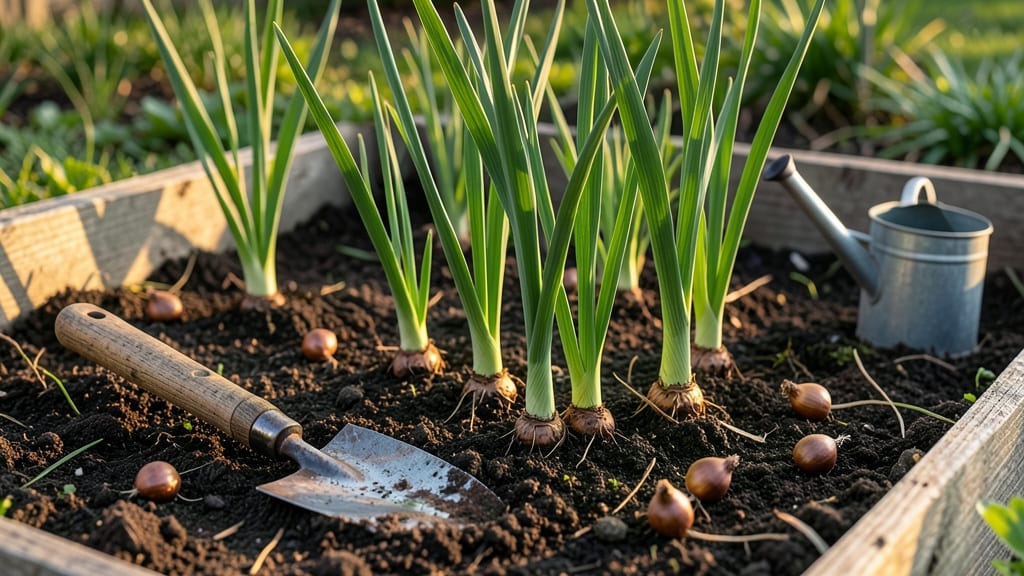
Planting your gladiolus at the wrong time in Florida can turn those dreamy 🌸 blooms into a sad, wilted mess—before they even get a chance to shine.
The key isn’t just avoiding frost (which barely exists in most of the state) but beating the brutal summer heat that sends these beauties bolting faster than you can say "humidity."
I’ve watched gladiolus gardens thrive in Florida’s 8a-11 zones by mastering two critical windows: late summer for fall blooms or early spring for vibrant spring displays. Skip these timelines, and you’re risking weak stems, faded colors, and flowers that bolt before they’re even halfway open.
Here’s the game-changer: timing isn’t one-size-fits-all. North Florida’s cooler pockets play by different rules than South Florida’s year-round warmth. I’ll break down the exact months to plant—plus 3 tricks to keep your gladiolus thriving—so you can enjoy 🌸 after 🌸 without the stress.
Ready to turn your Florida garden into a gladiolus paradise? Let’s dive into the secrets that’ll have your neighbors asking, "How’d you do that?"
Florida’s ideal gladiolus planting windows: exact months to avoid heat stress
Gladiolus thrive in Florida’s warm climate, but timing is everything to prevent bolting—when heat forces premature flowering. The two best windows are late summer (August-September) for fall blooms and early spring (February-March) for spring displays.
These months align with soil temperatures between 60°F and 75°F, ideal for corm establishment.
Florida’s microclimates shift these windows slightly. In North Florida (USDA Zones 8a-8b), plant in late February to early March to avoid late-winter frosts. In Central Florida (Zone 9a), extend spring planting to mid-March.
Meanwhile, South Florida (Zones 10a-11) gardeners can plant year-round but prioritize August-September for fall blooms.
Bolting occurs when soil temperatures exceed 80°F during early growth. To avoid this, use shade cloth or plant in partial shade until corms establish roots. Mulching with straw or pine needles also helps regulate soil temperature and retain moisture during Florida’s unpredictable heat waves.
The 6-week rule is critical: transplant seedlings 6 weeks before the first expected frost in your region. In North Florida, this means mid-October for fall plantings. In South Florida, where frost is rare, focus on soil temperature—wait until it drops below 85°F at night to plant.
Here’s how Florida’s regions compare for gladiolus planting windows, including key temperature triggers to avoid bolting:
| Region | USDA Zone | Spring Planting Window | Fall Planting Window | Soil Temp Trigger (°F) | Key Risk |
|---|---|---|---|---|---|
| North Florida | 8a-8b | Late Feb–Early Mar | Mid-Aug–Early Sep | 60–75°F | Late frost |
| Central Florida | 9a-9b | Mid-Feb–Mid-Mar | Late Aug–Early Oct | 65–80°F | Heat stress |
| South Florida | 10a-11 | Year-round | Aug–Sep (peak) | 70–85°F | Humidity |
For fall blooms, prioritize August planting in North Florida and September in South Florida. This timing ensures blooms appear in October-November, just before cooler weather arrives. In spring, February-March plantings yield April-May flowers, avoiding the peak summer heat that triggers bolting.
Pro tip: Use a soil thermometer to confirm temperatures before planting. Aim for 60°F–75°F for corms—any hotter, and you risk premature sprouting or bolting.
In South Florida’s Zone 11, where soil rarely cools below 70°F, opt for heat-tolerant varieties like ‘Star of Nativity’ or ‘Green Star’ to improve success rates.
Remember, gladiolus corms are not frost-tolerant. In North Florida, protect them with mulch or row covers if late frosts linger. In Central and South Florida, focus on shade and moisture management during the hottest months to keep corms happy and blooms vibrant.
Timing isn’t just about months—it’s about microclimate awareness. Adjust your schedule based on your specific county, and don’t hesitate to start corms indoors 6–8 weeks before outdoor planting to extend your season.
With the right timing, your gladiolus will reward you with tall, dramatic spikes of color—no sad, bolted messes in sight! 🌸
Florida’s ideal gladiolus planting windows: exact months to avoid heat stress
Gladiolus bulbs thrive in Florida’s warm climate, but timing is everything. Planting too early exposes them to frost risk in North Florida, while planting too late triggers heat stress and bolting. The sweet spot? Two distinct windows: spring (February-March) for summer blooms and fall (August-September) for cooler-season color.
Florida’s USDA Zones 8a-11 create microclimates that shift optimal timing. In North Florida (Zone 8a), avoid planting before March 1st—frost can still hit. Meanwhile, South Florida (Zone 11) gardeners enjoy a year-round planting window, but August-September is ideal to escape peak summer heat.
🌱 Key temperature triggers: Soil should be 60°F+ for spring planting and below 90°F for fall. Use a soil thermometer to check—this prevents bolting, where heat forces premature flowering.
For North Florida, aim for spring planting by March 15th to ensure blooms before summer’s 90°F+ heat. In Central Florida, stretch your window to late January—just avoid planting when daytime temps exceed 85°F.
South Florida gardeners can plant year-round, but August-September yields the most vibrant, long-lasting blooms.
🌿 Regional hack: In humid South Florida, plant deeper (6 inches) and space corms 6 inches apart to improve airflow and reduce fungal risks. North Florida gardeners should opt for shorter varieties like ‘Picasso’ to avoid flopping in summer storms.
Miss the ideal window? Don’t panic. Gladiolus corms are hardy—you can plant up to 6 weeks late, but expect shorter stems and smaller blooms. For late plantings, use shade cloth (30-50%) during the first 2 weeks to ease heat stress.