
Plants
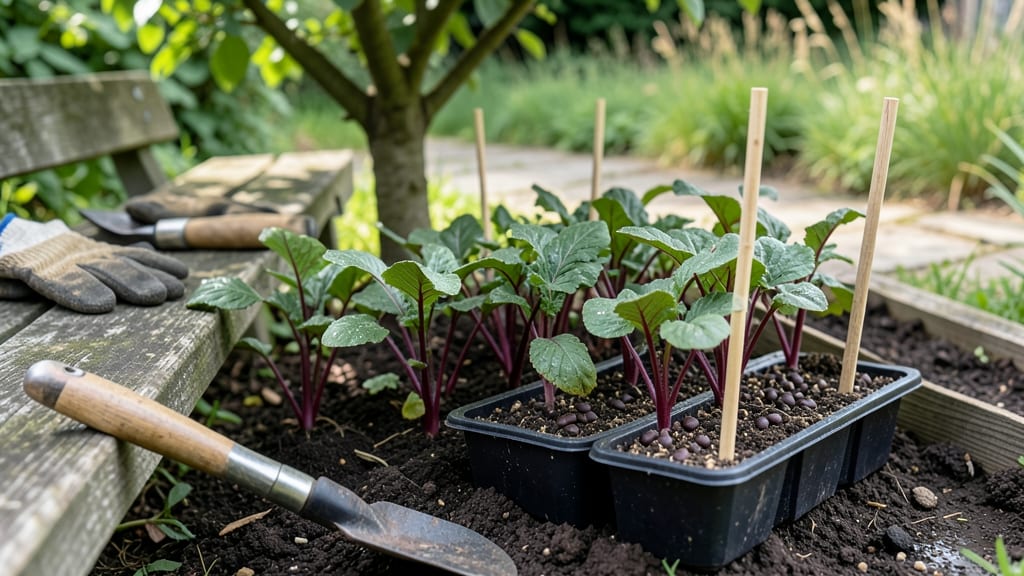
Timing your beet planting in Central Florida could mean the difference between a thriving harvest and bitter disappointment. The fall months of September and October offer the perfect window to beat the heat, but one wrong move—like planting too late—can trigger bolting before your roots even reach full size.
Here’s the secret: Beets in USDA Zone 9a thrive when soil temperatures stay between 45°F and 75°F, which means avoiding the scorching summer and the unpredictable chill of winter.
If you miss the early fall window, late winter (February–March) is your second chance—but only if you’re prepared for Florida’s microclimates, where coastal areas stay milder than inland spots.
I’ve spent years growing 🍠 beets here, and I’ll show you exactly when to plant for sweet, tender roots every time. Whether you’re a first-timer or a seasoned gardener, these proven months will keep your harvest on track—no guesswork, no wasted seeds.
Ready to skip the trial-and-error? Let’s dive into the ideal planting schedule, soil prep, and variety tricks that actually work in Central Florida’s tricky climate.
Best planting months for beets in Central Florida (with exact dates)
Central Florida’s USDA Zone 9b climate means your beet seeds face a tricky balance—too early, and they bolt from heat; too late, and they rot from humidity. The sweet spot lies between September and October for fall planting, when soil temps hover between 60–75°F and days grow shorter.
Spring plantings work in February and early March, but rush them, and you’ll battle bolting before harvest.
I’ve grown beets here for years, and the first two weeks of September consistently produce the best results. That’s when daytime highs dip below 85°F and nighttime lows stay above 65°F—perfect for germination without stress.
Avoid planting after mid-October; the soil stays too warm, and your beets will flower instead of forming roots.
Here’s the non-negotiable rule: Never plant beets in summer (June–August). The 90°F+ soil temps trigger bolting within weeks. Even shade won’t save them—heat stress forces the plant to prioritize seed production over edible roots.
I learned this the hard way with a July sowing that produced bitter, skinny stalks instead of sweet bulbs.
For spring plantings, late February is your last chance. By March 15, daytime temps climb into the 80s°F, and your beets will bolt before reaching harvest size. If you miss this window, wait until next fall—spring beets in Central Florida are a gamble.
| Season | Ideal Planting Window | Soil Temp Range (°F) | Harvest Window | Key Risk |
|---|---|---|---|---|
| Fall | Sept 1–15 | 60–75°F | Nov–Dec | Late planting = rot |
| Fall | Sept 16–30 | 65–80°F | Dec–Jan | Slow growth |
| Spring | Feb 1–15 | 60–70°F | Apr–May | Bolting risk |
| Spring | Feb 16–28 | 65–75°F | May | Heat stress |
Microclimates in Central Florida add another layer of complexity. If you’re in coastal areas like Cocoa Beach, humidity extends the fall window into early November. But inland in Orlando or Ocala, dry air means you should plant by October 15 to avoid soil drying out.
Test your soil temp with a soil thermometer—aim for 60–75°F at planting depth (1 inch).
Pro tip: Use black plastic mulch in spring to warm the soil faster, or straw mulch in fall to retain moisture. I’ve seen a 10°F difference in soil temps just by adjusting mulch type.
Pair this with drip irrigation to keep moisture consistent, and your beets will thrive even in Florida’s unpredictable weather.
For container gardening, stick to the same timing but use 5-gallon pots with fast-draining mix. Containers heat up faster, so move them to partial shade by midday in summer. I’ve grown beets in pots on my Orlando balcony using this method, and they’ve outlasted in-ground plantings during heatwaves.
Remember: Beets are cool-season crops, but Central Florida’s "cool season" is a misnomer. Think of it as warm-but-not-too-warm. The ideal window is when your AC runs less—that’s your cue to plant. Miss it, and you’ll be left with bolted greens and no harvest.
Best planting months for beets in Central Florida (with exact dates)
Central Florida’s USDA Zone 9a climate demands precision when planting beets. The ideal window spans September through October for fall harvests, while a secondary chance opens in February–March for spring plantings. These months align with soil temperatures between 45°F and 75°F, preventing bolting—the enemy of tender roots.
Planting too early (like August) risks heat stress, while late November plantings may not mature before winter chills. Coastal areas like Cocoa Beach can push dates slightly later, but inland spots near Orlando need to start earlier to avoid summer heat.
Let’s break down the exact dates and why they work.
🍠
| Season | Planting Window | Soil Temp (°F) | Harvest Window | Key Tip |
|---|---|---|---|---|
| Fall | Mid-September to early October | 60–75°F | November–December | Use shade cloth if temps exceed 80°F |
| Spring | Late February to early March | 55–65°F | April–May | Water deeply in dry spells |
| Avoid | June–August | Above 80°F | Bolting likely | Seeds won’t germinate well |
For fall plantings, aim to sow seeds by September 15 to ensure roots mature before December’s rare frosts. Inland areas should start by September 1, while coastal gardens can wait until September 20.
Spring plantings must begin by February 20 to avoid heat stress—any later, and your beets will bolt before harvest.
Pro tip: Use bolt-resistant varieties like ‘Detroit Dark Red’ or ‘Golden’ for extra insurance. These types handle Florida’s heat better than standard varieties. Pair them with drip irrigation to maintain consistent moisture, which is critical in our sandy soils.
Remember, soil prep is half the battle. Amend your beds with compost before planting to improve drainage and fertility. Beets hate soggy roots, so raised beds are a game-changer in Florida’s heavy clay patches.
🌱