
Plants
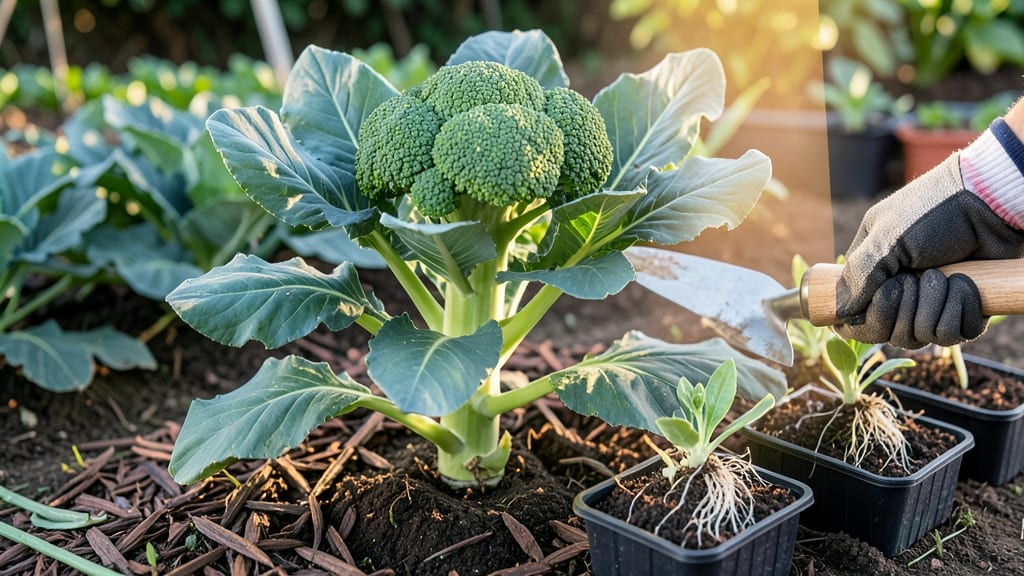
Planting broccoli in Central Florida might seem tricky—after all, your 🥦 could bolt or wilt before you even taste that first harvest. But here’s the game-changer: timing your plantings for the coolest months (September-October and January-February) gives you the best shot at thriving heads without battling the heat.
The key is working with Florida’s frost-free climate and humidity. Unlike northern gardens, you won’t worry about frost, but you will need to avoid summer’s sweltering temperatures. Plant too late in spring, and your broccoli will bolt faster than a firecracker on the Fourth of July.
Get it right, though, and you’ll enjoy fresh, crisp florets from December through May.
Let’s break down the exact windows that work for Central Florida’s USDA zones 9a-10a—plus how to prep your soil and spot pests before they ruin your harvest. No more guesswork, just actionable deadlines and pro tips tailored to your region.
Ready to grow broccoli that actually thrives? I’ll walk you through the steps to time your plantings perfectly, so you’re harvesting like a local by next winter. Let’s get started.
Best planting windows for broccoli in Central Florida’s climate zones
Central Florida’s warm winters and long growing season make broccoli a rewarding but tricky crop. Unlike northern climates, we don’t have frost to signal planting time—so understanding temperature thresholds is key.
Broccoli thrives in 55-65°F for growth but needs 60-75°F to germinate. Plant outside these ranges, and you’ll battle bolting (premature flowering) or slow growth.
Most gardeners in USDA zones 9a-10a focus on two main windows: fall (September-October) and winter (January-February). These slots align with cooler temps while avoiding summer’s oppressive heat.
For example, Orlando’s average lows drop to 50°F in December—perfect for broccoli’s growth phase. Tampa’s slightly warmer microclimate may extend your winter window by 2-3 weeks.
Here’s the critical detail: broccoli hates heat. If you plant in late spring (March-April), expect bolting within weeks as temps climb above 75°F. Even partial shade won’t fully protect plants from stress.
That’s why succession planting in fall—staggering seeds every 2 weeks—gives you multiple harvests before winter warmth arrives.
Gainesville’s higher elevation and cooler nights (often 45°F) create ideal conditions for overwintering broccoli. If you’re in this area, you can push harvests into late April with row covers or a mini greenhouse.
Meanwhile, coastal zones like Daytona Beach may need to rely solely on fall plantings due to milder winters.
🌱 Broccoli Planting Timeline for Central Florida
| Planting Window | Ideal Months | Temperature Range | Harvest Window | Notes |
|---|---|---|---|---|
| Fall Planting | September–October | 60–75°F (germination) | December–January | Best for most regions; avoid planting after October 15. |
| Winter Planting | January–February | 55–65°F (growth) | April–May | Use shade cloth if temps exceed 70°F; risk of bolting increases. |
| Late Fall (Cooler Microclimates) | November (high elevations) | 50–60°F | February–March | Only viable in Gainesville/Ocala; protect from wind. |
⏰ Pro Tip: Start seeds indoors 4–6 weeks before transplanting to extend your season.
If you’re a first-time broccoli grower in Central Florida, I recommend starting with fall plantings in early September. This gives plants enough time to establish roots before winter’s mild chill sets in.
For direct sowing, aim for soil temps below 80°F—use a soil thermometer to check. If you’re transplanting seedlings, harden them off for 7–10 days before moving outdoors.
One common mistake is assuming “cooler” means “safe” for broccoli. Even our “cool” winters can surprise you. For example, a 2023 cold snap in Orlando dropped temps to 32°F—enough to damage young plants.
Use row covers or mulch to protect seedlings if frost warnings appear (rare but possible in inland areas).
For urban gardeners with limited space, consider container growing. Dwarf varieties like ‘Calabrese’ or ‘Green Magic’ thrive in 5-gallon pots and can be moved to shaded patios during heatwaves. Just ensure pots have drainage holes and use a lightweight potting mix to prevent root rot.
Remember: broccoli’s growth rate slows below 50°F. If you plant too early (e.g., August), seedlings may rot in humid Florida soil. Wait until soil temps drop below 80°F and daytime highs stay under 85°F—typically mid-September. This timing ensures strong transplants and bolt-resistant heads.
Finally, succession planting is your secret weapon. Instead of one big harvest, sow new seeds every 2 weeks from September through November. This staggering method gives you continuous broccoli from December through March—just as Florida’s humidity peaks. Just be ready to thin seedlings to 12–18 inches apart to avoid competition.
Best planting windows for broccoli in Central Florida’s climate zones
Central Florida’s USDA zones 9a-10a mean no frost to worry about—but the real challenge is avoiding heat stress and premature bolting. Your broccoli thrives when daytime temps stay between 60-75°F for germination and 55-65°F for growth.
That’s why I focus on two key windows: fall (September-October) and winter (January-February).
Fall plantings give you harvests from December through March, while winter plantings extend your season into late spring. The trick? Start seeds indoors 4-6 weeks before transplanting to give seedlings a head start. In Central Florida’s humidity, seedlings can rot if planted too early, so timing is everything.
Here’s the breakdown for your specific region—whether you’re in Orlando, Tampa, or Gainesville, these windows work:
| Planting Window | Ideal Transplant Date | Harvest Window | Key Tip |
|---|---|---|---|
| Fall (Cool Season) | Late September - Early October | December - March | Use shade cloth in peak sun hours |
| Winter (Early Spring) | Mid January - Early February | April - May | Mulch heavily to retain soil moisture |
| Avoid Spring Plantings | March-April (high bolting risk) | Poor yields, bitter taste | Wait for fall or winter windows |
Pro tip: If you’re in higher elevations like Gainesville, you’ll have slightly cooler nights, so you can push fall plantings into early November. Meanwhile, coastal areas like Tampa should stick to September to avoid heat spikes.
Always check your local microclimate—even a few blocks can make a difference!
For container gardening, start seeds in late August for fall harvests or December for winter crops. Containers dry out faster in Central Florida’s heat, so use self-watering pots and check soil moisture daily. Your broccoli will thank you with tighter heads and fewer pests.
Remember: Succession planting every 2-3 weeks within these windows ensures a continuous harvest. No more gaps in your kitchen garden—just a steady supply of crisp, homegrown broccoli all season long. 🥦