
Plants
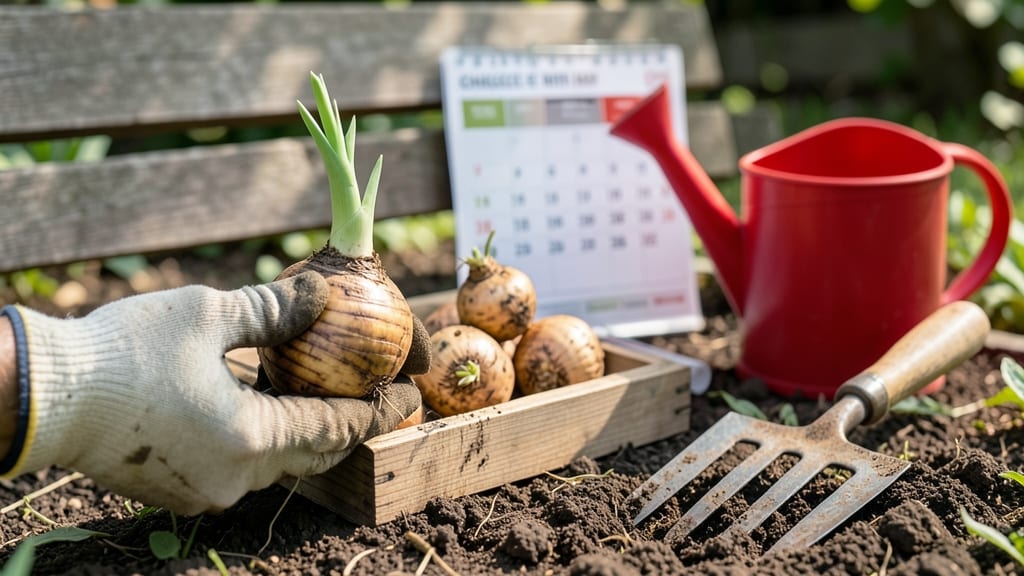
If you've ever dreamed of a Chicago garden bursting with bold, vibrant gladiolus blooms 🌸, the key to unlocking that vision starts with knowing when to plant gladiolus bulbs in Chicago.
Timing is the secret ingredient you can't afford to get wrong—planting these stunning flowers too early risks frost damage, while waiting too late might leave you scrambling as summer heat arrives.
The perfect window for zero frost risk and maximum impact is narrower than you think—and it starts with understanding your local climate.
In Chicago's USDA Zone 6a, where last frosts typically linger until mid-April, your gladiolus bulbs need patience and precision. The ideal planting window opens in late April to early May, but even then, soil temperature plays a crucial role.
Too cold, and your bulbs won't sprout; too warm, and they'll bolt before showing off their full potential. Let's break down exactly when to plant for flawless results every season.
What sets Chicago apart from other growing zones is its unpredictable spring weather. One year might bring an early frost in May, while another could see temperatures soar by June. That's why I've researched the exact frost-free dates and soil conditions that guarantee your gladiolus will thrive.
Whether you're a first-time gardener or a seasoned green thumb, these insights will help you avoid common mistakes that lead to stunted growth or missed blooms.
By the end of this guide, you'll know not just when to plant your gladiolus bulbs, but how to prepare your soil, adjust for Chicago's quirks, and create a timeline that ensures your garden becomes a showstopper from July through September.
Let's get those bulbs in the ground at the perfect moment—for flowers that will make your neighbors green with envy.
Chicago’s frost-free planting window for gladiolus bulbs: months and temperature rules
Gladiolus bulbs (or corms) thrive in Chicago’s USDA Zone 5b/6a, but timing is critical to avoid frost damage or missed blooms. The last average frost date in Chicago is April 15, but soil must also reach 55°F+ for healthy root growth.
Plant too early, and frost will blacken tender shoots; too late, and summer’s 90°F+ heat arrives before blooming.
Chicago’s frost-free window for gladiolus spans mid-May to early June, aligning with soil temperatures consistently above 60°F. This window ensures 120–150 days of growth before Chicago’s first frost (October 15), giving your gladiolus time to establish roots, shoot up, and bloom spectacularly.
To confirm frost dates, check the Chicago Botanical Garden’s frost calendar or use the National Weather Service’s historical data. These tools account for microclimates—like urban heat islands or windy lake-effect zones—that can shift frost dates by 1–2 weeks.
Gladiolus corms need well-draining soil with a pH of 6.0–7.0. Chicago’s clay-heavy soil often requires amendments like compost or sand to prevent waterlogging. Test your soil 2–3 weeks before planting to ensure it’s fertile and loose.
Here’s the critical rule: Plant gladiolus corms 2–3 weeks after your last frost date when soil is warm and workable. This timing balances frost risk and summer heat, maximizing bloom potential.
| Factor | Chicago Specification | Actionable Tip |
|---|---|---|
| Last Frost Date | April 15 (avg.) | Plant 2–3 weeks after to avoid frost. |
| Soil Temperature | 55°F+ (consistent) | Use a soil thermometer to confirm. |
| Planting Window | Mid-May to early June | Aim for May 15–June 1 for best results. |
| First Frost Risk | October 15 (avg.) | Choose early-blooming varieties to finish before frost. |
| USDA Zone | 5b/6a | Adjust for microclimates (e.g., lake effect). |
Chicago’s variable weather means your exact planting date may shift. For example, a late frost in May 2023 delayed ideal planting by 10 days for many gardeners. Always monitor weekly forecasts and adjust accordingly.
Gladiolus corms planted in mid-May typically bloom by July 4th, while those planted in early June may not flower until August. Choose your planting date based on whether you prioritize early blooms or longer vase life.
Pro tip: Use black plastic mulch to warm soil faster in early spring. This can shave 1–2 weeks off your planting timeline by raising soil temperatures by 5–10°F.
If you’re unsure about your local frost dates, err on the side of late planting. Gladiolus corms are hardy once established and can tolerate light frosts after planting, but they won’t survive if planted in cold, wet soil.
Step-by-step gladiolus planting timeline for Chicago’s climate: when to prep soil and plant
Gladiolus bulbs—called corms—thrive in Chicago’s USDA Zone 6a when planted after the last frost, but timing soil prep is just as critical. Start preparing your garden bed 2–3 weeks before planting to ensure well-draining soil and optimal conditions for root growth.
For Chicago’s climate, aim to plant gladiolus corms between mid-May and early June. This window aligns with soil temperatures reaching 55°F or higher, which is ideal for corm growth. Use a soil thermometer to confirm—if it’s cooler, wait a few more days.
🌱 Step-by-Step Planting Timeline for Chicago
- Late April: Test soil pH (aim for 6.0–7.0) and amend with compost if needed.
- Early May: Loosen soil to 12 inches deep and mix in organic matter (e.g., aged manure or compost).
- Mid-May: Plant corms 4–6 inches deep, spacing them 4–6 inches apart in rows.
- Early June: Water deeply after planting to settle soil, then maintain 1 inch of water weekly.
- July–August: Fertilize with balanced 10-10-10 every 4–6 weeks for vibrant blooms.
After planting, mulch around the base with 2–3 inches of straw or shredded leaves to retain moisture and regulate soil temperature. This is especially important in Chicago’s hot summers, where mulch prevents corms from overheating.
Monitor for emerging shoots in 4–6 weeks. Once they reach 4–6 inches tall, apply a light fertilizer to encourage strong stem growth. Avoid over-fertilizing, which can lead to floppy stems or fewer blooms.
By following this timeline, your gladiolus will establish roots before Chicago’s summer heat peaks, ensuring bold, long-lasting blooms from July through September. The key is patience—rushing the process risks frost damage or stunted growth.
Pro tip: Mark your planting date on a calendar to track growth milestones. This helps you adjust care (like watering or fertilizing) as the season progresses. Happy planting! 🌸