
Plants
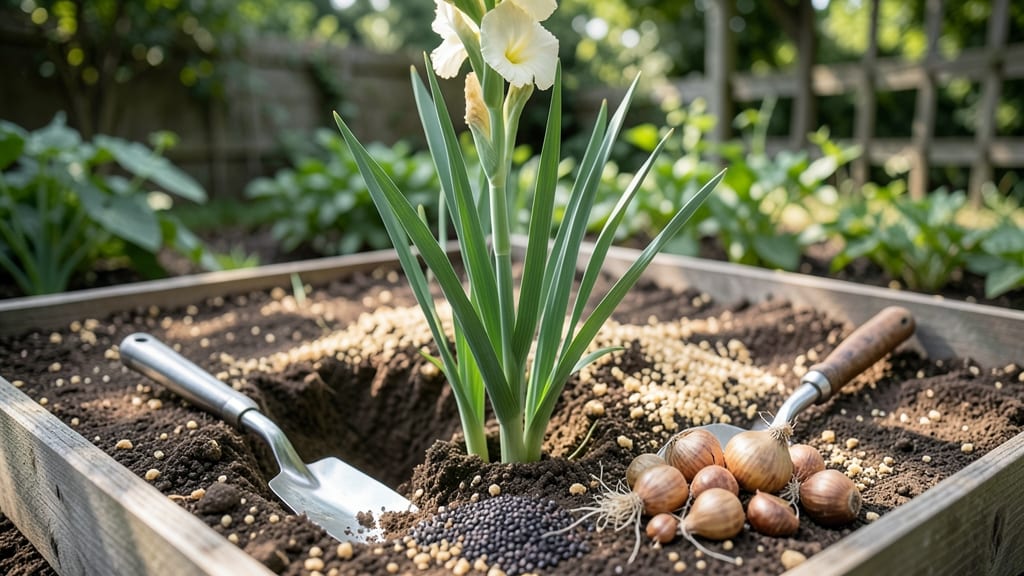
Planting gladiolus bulbs at the wrong time in North Carolina can turn your summer garden dreams into a sad, wilted mess—especially if you're trying to avoid those frustrating "bolt" moments when flowers shoot up too early.
The secret to stunning 🌸 gladiolus blooms lies in perfecting your timing, which means knowing exactly when to tuck those corms into the soil for zero-bolt success.
In zones 7a-8b, where North Carolina falls, the ideal window opens around March to April—just as the last frost date (usually mid-March) fades into memory. But here's the catch: planting too early risks overheating the bulbs, while waiting too long can stunt their growth before summer's heat arrives.
I'll show you how to nail that sweet spot for vibrant blooms from July through September.
Beyond just the calendar, we'll dive into soil prep tricks and post-planting care that keeps your gladiolus thriving.
Whether you're a first-time gardener or a seasoned pro, these insights will help you bypass common mistakes that lead to bolting—so you can enjoy those towering 4-5 foot stalks of color instead of disappointed bare stems.
Ready to transform your garden? Let's break down the exact steps and timing that'll have your gladiolus standing tall and proud—without a single bolt in sight.
North Carolina heat-zone planting calendar for gladiolus bulbs
North Carolina's diverse climate—spanning USDA zones 7a to 8b—means your gladiolus planting window varies by region. The key is planting 6-8 weeks before your last frost date, typically between mid-March and early April in most areas.
In cooler mountain zones (7a), like Asheville, aim for late March to early April, while warmer coastal areas (8a/8b), like Wilmington, can start as early as February.
Gladiolus bulbs (called corms) need soil temperatures of 60°F or warmer to thrive. Use a soil thermometer to confirm—planting too early in cold soil triggers bolting (premature flowering).
In zone 7a, wait until soil hits 65°F; in zone 8b, 60°F is safe. This timing ensures robust root growth before summer heat arrives.
Here’s your heat-zone planting calendar for North Carolina, broken down by region and frost risk:
| Region (USDA Zone) | Last Frost Date | Ideal Planting Window | Soil Temp Threshold | Bloom Period |
|---|---|---|---|---|
| Mountains (7a) | March 15–25 | Late March–early April | 65°F+ | July–September |
| Piedmont (7b) | March 1–15 | Mid-March–late March | 60°F+ | June–August |
| Coastal (8a/8b) | February 15–March 1 | February–early March | 58°F+ | May–July |
For extended blooms, stagger plantings every 2 weeks from late February to early May. This ensures flowers open sequentially throughout summer. For example, plant 1/3 of your corms in March, 1/3 in April, and the final batch in early May.
This trick works especially well in zone 7b and warmer, where summer heat can cause bolting if all bulbs sprout at once.
North Carolina’s humidity and summer heat demand extra care. After planting, mulch with 2–3 inches of straw to retain moisture and cool roots. In coastal areas, where humidity is highest, avoid overhead watering to prevent fungal diseases like botrytis, which thrives in damp foliage.
Instead, water at the base of plants in the morning to let leaves dry quickly.
Pro tip: Use a shade cloth (30–50%) during peak summer (July–August) if your gladiolus show signs of stress—yellowing leaves or wilting. This mimics the cooler conditions they prefer and can delay bolting by 2–3 weeks. Remove the cloth once temperatures drop below 90°F to encourage flowering.
If you’re in zone 8b, like Raleigh or Fayetteville, you can even try a fall planting for late-season blooms. Plant corms in late August to early September, aiming for blooms in October–November.
This works best with early-maturing varieties like ‘White Wings’ or ‘Picasso,’ which tolerate cooler fall temperatures better than standard types.
Remember: Gladiolus corms are not frost-tolerant. If an unexpected early frost threatens in October, cover plants with row fabric or mulch heavily to protect them until dormancy. In zone 7a, dig up and store corms after the first frost to replant next spring.
🌸
North Carolina heat-zone planting calendar for gladiolus bulbs
North Carolina’s diverse climate zones—ranging from USDA Zone 7a in the mountains to Zone 8b along the coast—mean your gladiolus planting window can vary by 4-6 weeks.
In cooler mountain regions like Asheville, aim for late March to early April, while coastal areas like Wilmington can start as early as mid-February. The key is planting when soil temperatures hit 60°F (15°C)—use a soil thermometer to confirm.
Gladiolus bulbs (called corms) are sensitive to heat stress, which triggers bolting—when they flower prematurely. In NC’s hot summers, bolting can ruin your blooms before they fully open.
To avoid this, time your planting so flowers emerge in late June to August, when daytime highs stay below 90°F (32°C).
Here’s your heat-zone planting guide with exact windows, frost risks, and soil prep tips tailored to NC’s microclimates:
| NC Climate Zone | Last Frost Date | Ideal Planting Window | Soil Temp Threshold | Bloom Time |
|---|---|---|---|---|
| 7a (Mountains: Boone, Asheville) | April 15 | Late March–Early April | 60°F (15°C) | July–August |
| 7b (Piedmont: Raleigh, Greensboro) | March 30 | Mid-March–Late April | 60°F (15°C) | June–September |
| 8a (Coastal Plains: Fayetteville) | March 15 | February–Mid-April | 60°F (15°C) | June–August |
| 8b (Coast: Wilmington, Outer Banks) | February 15 | Mid-January–March | 60°F (15°C) | May–July |
For cooler zones (7a-7b), plant 6-8 weeks before your last frost date to ensure roots establish before summer heat arrives. In warmer zones (8a-8b), consider staggered planting—install half your corms in February for early blooms and the rest in March for a prolonged display.
Always plant 4-6 inches deep with the pointy end up to prevent rot.
After planting, mulch with 2-3 inches of straw to insulate soil and retain moisture. This is especially critical in Zone 8b, where summer droughts can stress gladiolus and trigger bolting. Water deeply once a week until blooms appear, then reduce to every 10 days to encourage stronger stems.
Pro tip: Use a shade cloth (30-50%) during peak afternoon sun (1 PM–4 PM) in July–August to protect blooms from wilting. This extends vase life by 30-50% and keeps colors vibrant longer.