
Flowers
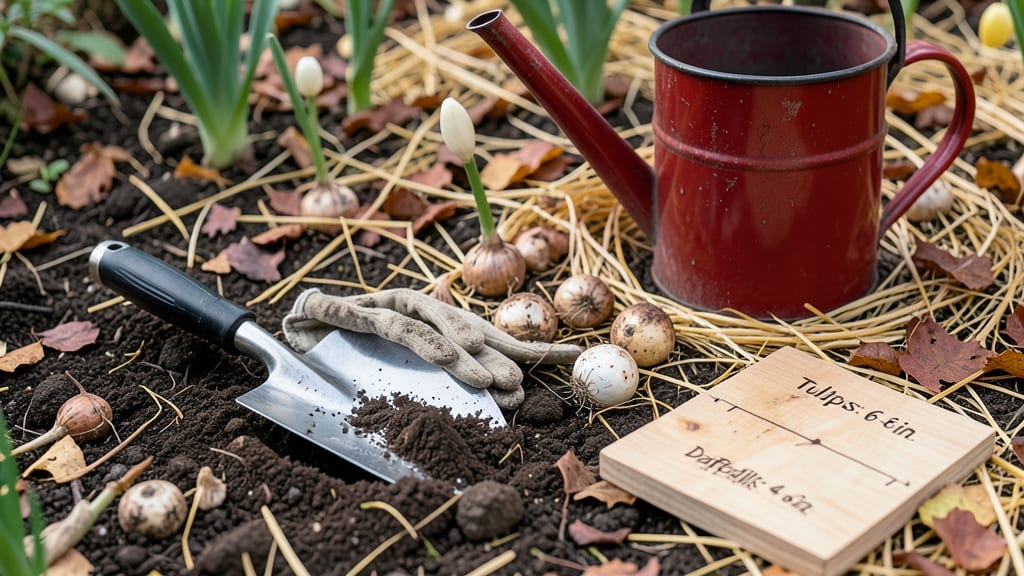
Planting flower bulbs 🌷 in autumn isn’t just about throwing them in the ground—it’s a precision timing game that determines whether you’ll see vibrant spring blooms or wasted effort. The key lies in understanding your local climate’s narrow window between soil warmth and frost, which varies dramatically across USDA zones.
In Zone 6a (like much of the Midwest), you’ve got about 6-8 weeks—roughly late September to early November—to get bulbs in the ground before winter sets in. Too early, and they’ll rot; too late, and frost will kill them before they establish roots.
But don’t panic if your zone runs hotter or colder—we’ll break down exactly when to plant where you live.
Why does autumn work so well? Cooler temperatures and shorter days signal bulbs to root deeply before dormancy, while mild soil keeps them from overheating. Plus, planting now means you’ll beat spring competition for prime garden real estate.
Let’s dive into the zone-specific deadlines and pro tips to ensure your bulbs thrive.
From soil prep to post-planting care, we’ll cover everything you need to know—including which bulbs handle late planting best and how to adjust for early or late frosts. Ready to set the stage for next year’s showstopper blooms? Let’s get started.
Autumn flower bulb planting deadlines by USDA hardiness Zone
Autumn’s 6-8 week window before the ground freezes is your golden opportunity to plant flower bulbs, but deadlines shift dramatically across USDA zones 3-10. In colder climates like Zone 3, you’ve got until mid-October—while Zone 10 gardeners can plant until December.
These variations ensure bulbs establish roots before winter dormancy begins.
Miss the window, and your bulbs risk rotting from excess moisture (if planted too early) or freezing before root growth (if planted too late). The key is soil temperature: bulbs need 60°F soil to start rooting, but 40°F or lower signals winter’s approach.
Let’s break down exact planting deadlines by zone.
🌱 Pro Tip: Use your local frost date as your deadline anchor. Count backward 6-8 weeks—that’s your last day to plant. For example, if frost hits November 15, your deadline is September 24.
🌷 Autumn Bulb Planting Deadlines by USDA Zone
| Zone | Ideal Planting Window | Example Deadline | Best Bulbs for Zone |
|---|---|---|---|
| 3-4 | Late August - Mid-October | October 15 | Tulips, Daffodils, Hyacinths |
| 5-6 | September - November 1 | October 20 | Crocuses, Alliums, Snowdrops |
| 7-8 | October - December 1 | November 10 | Fritillaries, Grape Hyacinths |
| 9-10 | November - January | December 15 | Crinum Lilies, Rain Lilies |
📅 Note: Adjust 1-2 weeks earlier for early frost years or later for mild winters.
In Zone 6 (like my garden in Ohio), I aim to finish planting by October 31—just before the first hard frost. Tulips and daffodils are my go-tos, but I’ve also had success with hyacinths planted in early October. The deeper the bulb, the better the insulation against winter’s chill.
For Zone 3 gardeners, focus on cold-hardy varieties like Siberian tulips or crocuses, which tolerate -40°F temperatures. In Zone 10, where winters are mild, you can even plant spring-blooming bulbs in December—just ensure the soil stays above 50°F.
Regional adjustments matter too. Mountainous areas (e.g., Colorado) may need to plant 2 weeks earlier than flatlands, while coastal zones (e.g., California) can extend deadlines by 3-4 weeks. Check your local coop extension for hyper-local advice.
Don’t overlook soil temperature—it’s your real deadline, not just calendar dates. Use a soil thermometer ($10 at garden centers) to confirm 60°F soil before planting. If temps drop below 50°F, bulbs won’t root properly, even if you’re within the zone’s window.
🌿 My top 3 zone-specific tips: Zone 3-4? Double the mulch (4-6 inches) to insulate bulbs. Zone 5-6? Plant daffodils first—they’re deer-resistant. Zone 7-10? Try winter-blooming bulbs like Christmas amaryllis for year-round color.
Finally, late autumn (November-December) is your last chance for mild-climate zones, but only for cold-hardy bulbs like snowdrops or alliums. These tough varieties can handle light frosts and even bloom under snow in some regions. Just plant them shallow (3-4 inches deep) to avoid rot.
Autumn flower bulb planting deadlines by USDA hardiness Zone
Autumn’s 6-8 week window before the ground freezes is critical for flower bulb success. Plant too early, and bulbs may rot in warm soil; too late, and winter’s frost halts root growth before spring blooms.
Your USDA hardiness zone dictates exact deadlines—miss them, and you’ll sacrifice next year’s vibrant displays.
For example, gardeners in Zone 3 (e.g., Minnesota, Maine) must plant by mid-October, while those in Zone 10 (e.g., Southern California) can extend planting until December. Local frost dates, not calendar months, are your true guide.
📋 Key Rule: Aim to plant bulbs when soil temperatures drop to 60°F (15°C) but before the ground freezes. Use a soil thermometer to check—this ensures roots establish without rotting.
| USDA Zone | Ideal Planting Window | Example Locations | Soil Temp Goal |
|---|---|---|---|
| Zones 3-4 | Late September - mid-October | Chicago, Denver, Burlington | 50-60°F (10-15°C) |
| Zones 5-6 | Mid-October - early November | New York, Kansas City, Madison | 55-60°F (13-15°C) |
| Zones 7-8 | November - early December | Atlanta, Dallas, Raleigh | 60-65°F (15-18°C) |
| Zones 9-10 | December - January | Los Angeles, Phoenix, Miami | 65-70°F (18-21°C) |
🌱 Pro Tip: Check your local frost date (e.g., Almanac’s Frost Calculator) and plant 6-8 weeks prior.
Popular bulbs like tulips and daffodils thrive when planted in cool soil but before hard freezes. In Zone 6, for instance, aim for late September to mid-October—this aligns with soil temps of 55-60°F (13-15°C), perfect for root growth.
For late autumn planters, focus on cold-hardy varieties like snowdrops or crocuses, which tolerate marginal conditions. These bulbs can handle soil temps down to 40°F (4°C), extending your planting window by 2-3 weeks.
Always amend soil with compost before planting—bulbs need well-draining, nutrient-rich soil to survive winter. Mulch with 2-3 inches of straw after planting to insulate roots from temperature swings. 🌿