
Planting
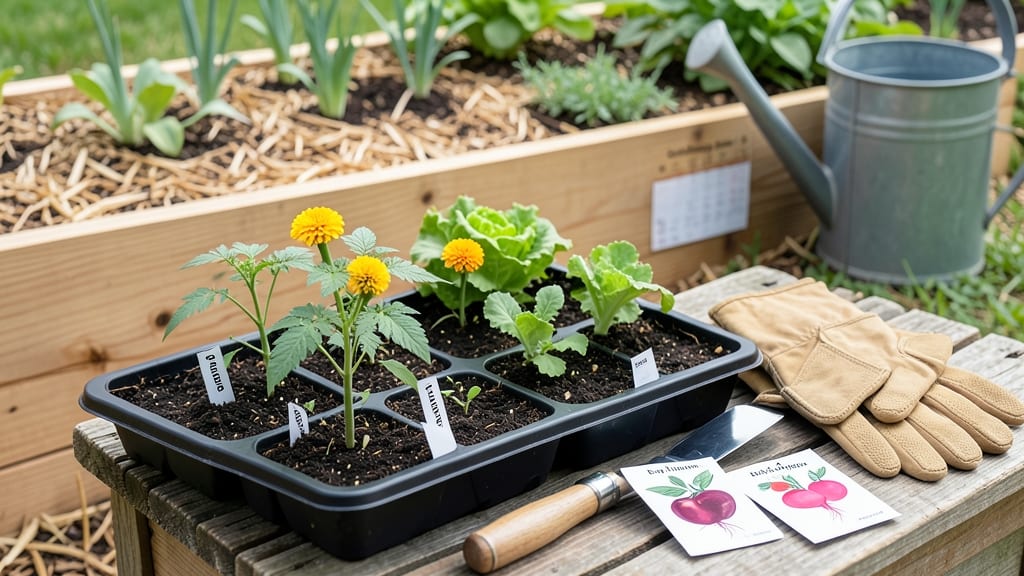
The best time to plant a garden in Ohio isn’t just about the calendar—it’s about beating frost with precision.
Ohio’s 6a/6b zones mean your neighbors’ April 15 last-frost date might not match yours, especially if you’re in Northern Ohio where frost lingers until May. Skipping this detail could leave your 🌱 General Garden Plants vulnerable to late-season chills, turning your hard work into a sad, wilted pile of seeds.
But here’s the game-changer: timing your plantings 4-6 weeks before last frost for cool-season crops (like lettuce and peas) while waiting until after April 15 for tomatoes and peppers. I’ll break down the exact windows for your zone—so you can plant with confidence, not guesswork.
From soil prep to succession planting, you’ll learn how to stretch Ohio’s 150-180 frost-free days into a harvest that lasts from spring greens to fall squash. Let’s get your garden thriving—without the frost-related heartbreak.
Ohio’s planting zones: when to start seeds vs. transplanting for maximum yield
Ohio spans USDA Hardiness Zones 5b through 6b, meaning your planting timeline depends heavily on whether you're in Northern Ohio (Zone 5b) or Southern Ohio (Zone 6b).
The average last frost date ranges from April 15 in Southern Ohio to May 1 in Northern Ohio, while the first frost hits as early as October 15 in the north but can linger until October 30 in the south.
These dates create a 150-180 day growing season, which is why timing is everything for Ohio gardeners.
For cool-season crops like lettuce, spinach, and peas, you can start seeds 4-6 weeks before your last frost date. This means early March for Southern Ohio and late March for Northern Ohio.
Meanwhile, warm-season crops such as tomatoes, peppers, and cucumbers need to wait until after the last frost—typically mid-May in the north and early May in the south—to avoid frost damage. Understanding these windows prevents wasted seeds and ensures your garden thrives.
Here’s the key distinction: Seed-starting indoors can begin 8-10 weeks before your last frost date, while transplanting seedlings outdoors should happen 2-3 weeks after the last frost.
For example, if your last frost is April 15, start tomatoes indoors by February 15 and transplant them by May 1. This timing ensures seedlings are strong enough to handle Ohio’s unpredictable spring weather.
| Zone | Last Frost | Start Seeds Indoors | Transplant Outdoors | First Frost |
|---|---|---|---|---|
| Southern OH (Zone 6b) | April 15 | Feb 15 - Mar 1 | May 1 - May 15 | October 30 |
| Northern OH (Zone 5b) | May 1 | Mar 1 - Mar 15 | May 15 - May 30 | October 15 |
Ohio’s microclimates add another layer of complexity. Urban areas like Columbus and Cincinnati often experience earlier last frosts due to the "urban heat island" effect, while rural areas may see later frosts.
To account for this, I always check local weather records or use a frost-free date calculator for my specific ZIP code. For example, Toledo (Zone 5b) might have a last frost as late as May 10, while Dayton (Zone 6a) could see frost as early as April 20.
Another critical factor is soil temperature. Most seeds need soil that’s at least 50°F (10°C) to germinate properly. In Ohio, this typically aligns with late April to early May, but cool-season crops like broccoli and kale can handle 40°F (4°C) soil.
Use a soil thermometer to confirm—planting too early in cold soil can stunt growth or kill seedlings. I’ve learned this the hard way with slow-starting tomato seeds in chilly Northern Ohio springs!
For perennials and shrubs, the best time to plant in Ohio is early spring or early fall, when soil is workable but not frozen. Early spring planting (March-April) gives roots time to establish before summer heat, while fall planting (September-October) allows roots to grow before winter dormancy.
Avoid planting perennials in summer heat, as stress from transplant shock can weaken them. I always aim to get roses and peonies in the ground by mid-April or early October for best results.
Ohio’s frost risks aren’t just about the last frost—they include late-spring cold snaps (like the April 2021 freeze that hit Northern Ohio) and early-fall surprises. To mitigate these, I use frost-sensitive crops like basil and eggplant as short-season varieties or extend the season with row covers.
For example, ‘Early Girl’ tomatoes mature in 55-65 days, so I plant them by May 1 in Northern Ohio to ensure harvest before the first frost.
Pro tip: Keep a gardening journal to track your local frost dates over the years. Ohio’s climate varies yearly, and your notes will help you fine-tune planting times.
For instance, if you notice peas thrive when planted by March 15 in your area, stick with that schedule—even if it’s earlier than the average last frost date. Personal records beat generic guidelines every time!
Finally, don’t overlook succession planting to maximize your Ohio garden’s productivity. By staggering plantings every 2-3 weeks, you can enjoy a continuous harvest of lettuce, radishes, and beans throughout the season. For example, plant radishes every 1
Month-by-month Ohio garden calendar: what to plant when for zero-frost success
Ohio’s 150-180 frost-free days create a tight window for planting, but with the right timing, you can grow everything from tomatoes to zucchini successfully. The key is aligning your planting schedule with Ohio’s average last frost date of April 15 (earlier in Southern Ohio, later in Northern Ohio).
Below is your month-by-month guide to maximize your garden’s potential.
Start with cool-season crops like spinach and peas in early spring, then transition to warm-season favorites such as peppers and beans after the frost risk passes. Even fall planting is possible for hardy crops like kale and radishes before the first frost hits in mid-October.
🌱 Ohio Planting Timeline by Month
- March: Start indoor seeds (tomatoes, peppers) and plant cool-season crops (spinach, lettuce) 4-6 weeks before last frost.
- April: Transplant seedlings (broccoli, cabbage) and direct-sow radishes and carrots after soil warms to 50°F.
- May: Plant warm-season crops (tomatoes, peppers) after May 15 (last frost risk in most zones).
- June: Succession plant beans and cucumbers for continuous harvests.
- July-August: Start fall crops (kale, Brussels sprouts) indoors for transplanting in September.
- September: Plant cool-season crops (spinach, peas) for fall harvests before first frost.
For Northern Ohio, where frost lingers until May 1, delay planting tomatoes and peppers until late May to avoid cold snaps. In Southern Ohio, you can plant warm-season crops as early as mid-April and enjoy a longer harvest season.
Use row covers or cold frames to extend early spring planting for delicate crops like cucumbers or squash. These tools can push your planting window by 2-4 weeks, giving you an earlier harvest and a longer growing season.
Don’t forget to succession plant fast-growing crops like lettuce and radishes every 2-3 weeks for a continuous supply. This strategy ensures you’re never without fresh produce and maximizes your garden’s productivity.
By following this month-by-month calendar, you’ll avoid the pitfalls of Ohio’s unpredictable frost and enjoy a bountiful harvest from spring greens to fall squash. Happy planting! 🌿