
Flowers
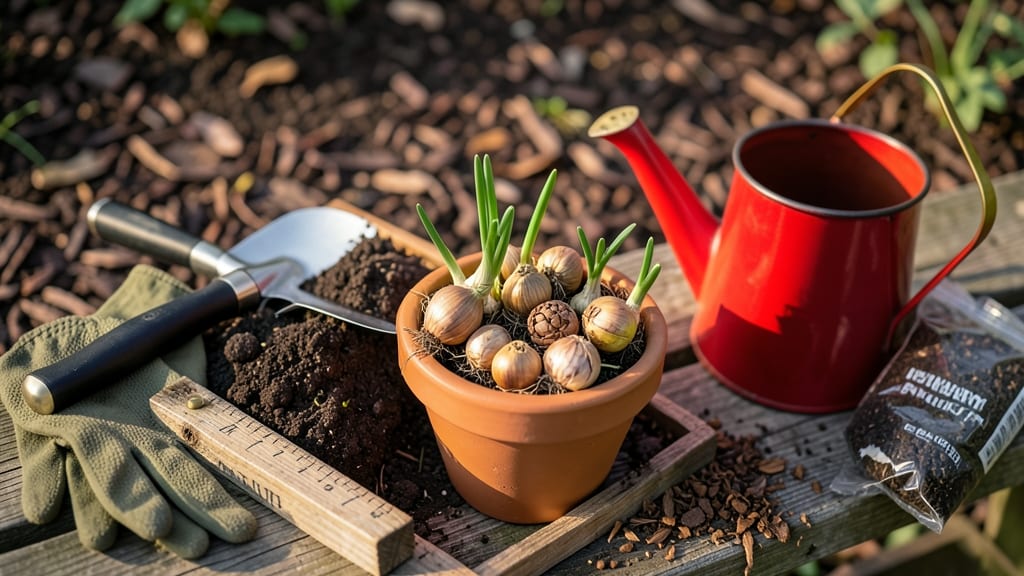
Timing when to plant flower bulbs in the spring wrong could mean floppy stems or missed blooms—don’t let that happen to your garden! The 6-week window between last frost and active growth is your golden opportunity, but it shifts dramatically depending on your zone.
In Zone 6a, where frost lingers until mid-April, most gardeners wait until mid-March to plant tulips, daffodils, and hyacinths. But if you’re in warmer zones like 8b or 9a, you might need to plant as early as February—or risk weak stems before the heat sets in.
Here’s the game-changer: soil temperature matters more than calendar dates. Bulbs need 40-50°F soil to sprout, so test it with a thermometer or wait until 3-4 weeks after frost for safety. I’ll show you how to adjust for your local climate and bulb type.
Ready to avoid soggy stems and maximize blooms? Let’s break down the exact deadlines, soil prep secrets, and what to do if you’re already behind schedule.
Spring flower bulb planting deadlines by USDA hardiness Zones
Planting flower bulbs in spring is a race against time—literally. The last frost date in your USDA hardiness zone determines the perfect window.
Most spring bulbs like tulips and daffodils need to be in the ground 4-6 weeks before the first frost, but spring planting works too if you act fast.
In Zone 3-5, aim for late March to early April, while Zones 6-10 can plant as late as mid-April to early May.
Why the rush? Bulbs need cool soil temperatures (ideally 50-60°F) to sprout. Planting too early in warm zones risks premature sprouting, which weakens stems.
Too late, and your bulbs might not bloom until next year—or worse, rot. Local frost charts (like those from the Old Farmer’s Almanac) are your best friend here.
Here’s how to adjust for your region: In the Pacific Northwest, where winters are mild, you can plant 2-3 weeks later than the zone average. In the Deep South (Zones 8-10), bulbs planted in spring may need shade cloth to prevent overheating.
Always check your last frost date—it’s the golden rule.
Pro tip: If you’re in a transition zone (e.g., Zone 7a vs. 7b), err on the side of earlier planting. A late frost can devastate tender shoots. For example, Zone 7b gardeners should plant by mid-April, while Zone 7a should finish by early April.
🌷
Notice how Zones 9-10 plant in winter? That’s because their mild winters mimic fall planting conditions. If you’re in a warm zone, treat spring planting like a fall replant: keep soil cool with shade cloth or mulch, and water deeply every 3-4 days to prevent drying.
For late-blooming bulbs like Allium or Fritillaria, you can push the deadline by 2 weeks, but expect smaller blooms. These bulbs thrive on longer daylight, so planting them in late April still yields decent results—just fertilize lightly in early summer to boost next year’s growth.
One common mistake? Ignoring soil temperature. Use a soil thermometer to confirm temps are below 60°F before planting. If your soil is too warm, bulbs may sprout too soon and flop over.
In Zone 7+, this is especially critical—wait until mid-April even if the calendar says it’s spring.
🌱
How to adjust planting time for different bulb types and soil conditions
Not all flower bulbs thrive on the same schedule—crocuses and snowdrops can handle early spring planting, while tulips and daffodils need warmer soil to sprout. Shallow-rooted varieties like hyacinths (6-8 inches deep) can go in sooner than deep-rooted alliums (10+ inches).
Always plant bulbs 3-4 times deeper than their height for stability.
Cold soil slows germination, so wait until soil temperatures hit 50°F (10°C) for most bulbs. Use a soil thermometer or check local frost dates—Zone 5-7 gardeners should aim for late March to early April, while Zone 8-10 can start as early as February.
For late bloomers, extend the season with mulch (3-4 inches) or row covers to protect tender shoots.
Heavy clay soil? Amend it with compost or sand to prevent rot—well-draining soil is critical for bulbs. If your yard floods easily, plant on a mound or raised bed.
Sandy soil drains too fast? Mix in peat moss or coconut coir to retain moisture. Always plant bulbs in full sun to partial shade (6+ hours of light) for vibrant blooms.
| Bulb Type | Ideal Planting Time | Soil Temp Requirement | Depth | Sun Needs |
|---|---|---|---|---|
| Crocuses | Late Feb–early March | 40°F (4°C) | 3–4 inches | Full sun–partial shade |
| Tulips | Mid-March–April | 50°F (10°C) | 6–8 inches | Full sun |
| Daffodils | Late March–April | 50°F (10°C) | 6–8 inches | Partial shade |
| Hyacinths | Early April–May | 55°F (13°C) | 6–8 inches | Full sun |
| Alliums | Late April–May | 60°F (16°C) | 8–12 inches | Full sun |
If you missed the spring window, don’t panic! Pre-chill bulbs in the fridge (35–40°F) for 6–8 weeks before replanting. For late bloomers, use grow lights (12–14 hours/day) to simulate longer days.
Always water deeply after planting (1–2 inches) and mulch to retain moisture—consistent moisture prevents weak stems and encourages strong roots.
Troubleshooting late planting? Check for moldy bulbs (discard them) or soft stems (they’ve overstayed their welcome). If sprouts appear but wilt, they may need more sunlight or warmer soil.
For next year, mark your calendar: fall planting (6–8 weeks before frost) is ideal for most bulbs—tulips and daffodils thrive when chilled naturally in the ground.
Pro tip: Plant early bloomers (like crocuses) first, then late bloomers (like alliums) 3–4 weeks later. This staggered approach extends your spring bloom season from March to June. Happy planting! 🌷