
Flowers
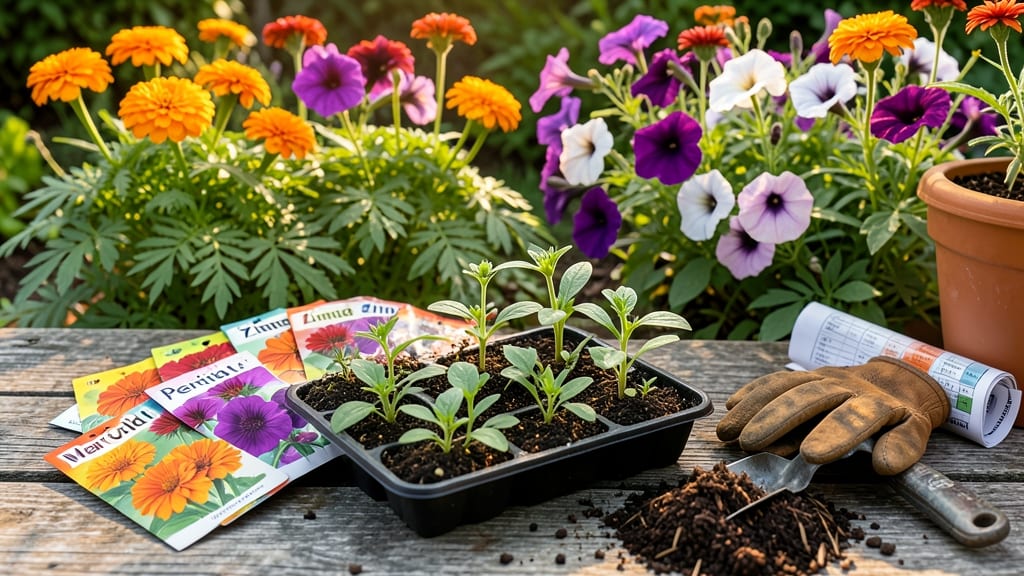
Knowing when to plant flower seeds in Minnesota can mean the difference between a vibrant garden and a sad, frost-killed disappointment. The Zone 3-5 climate here demands precision—wait too long, and you’ll miss the summer bloom bonanza; start too soon, and Mother Nature will freeze your efforts before they sprout.
I’ve gardened in Minnesota for years, and the key is working with the weather, not against it. Whether you’re growing hardy annuals like pansies or heat-loving zinnias, timing your plantings around the last frost (usually mid-May) and first frost (mid-October) is everything.
Let me show you exactly when to get those 🌸 flower seeds in the ground for the best results.
This isn’t just about throwing seeds in the dirt and hoping for the best—it’s about strategy. We’ll cover the ideal planting windows for both spring and fall, plus how to protect tender seedlings from late frosts.
Trust me, once you master these timing tricks, your garden will thank you with months of colorful blooms.
Ready to turn your Minnesota yard into a showstopper? Let’s dive into the exact months, varieties, and pro tips that’ll make your flower seeds thrive—no matter what the weather throws at you.
Minnesota’s frost-free planting deadlines by month (Zone 4-5 guide)
Minnesota’s short growing season makes timing critical—miss the last frost date, and your flower seeds risk freezing.
The average last frost spans May 10-20, but northern regions (Zone 4) can wait until late May, while southern areas (Zone 5) may start as early as mid-April for cold-hardy varieties. Always check your local USDA Zone for precision.
For annual flowers, aim to plant 2-4 weeks after your last frost date. In Zone 4, this often means late May to early June, while Zone 5 gardeners can start in mid-May.
Perennials, like coneflowers or black-eyed Susans, can handle cooler soil, so direct-sow them 2-3 weeks earlier than annuals.
🌱
| Month | Zone 4 (Northern MN) | Zone 5 (Southern MN) | Best Flowers |
|---|---|---|---|
| April | Cold frames only (pansies, snapdragons) | Indoor starts (petunias, marigolds) | Pansies, Calendula |
| May | Late May (after frost risk) | Mid-May (annuals) | Zinnias, Cosmos, Sunflowers |
| June | Succession plant (basil, nasturtiums) | Succession plant (marigolds, alyssum) | Nasturtiums, Sweet Alyssum |
| July | Fall bloomers (cosmos, bachelor’s buttons) | Fall bloomers (zinnias, sunflowers) | Cosmos, Bachelor’s Buttons |
| August | Late starts (marigolds, pansies) | Late starts (pansies, sweet peas) | Pansies, Sweet Peas |
Note: Always monitor weather forecasts for late frosts.
If you’re eager to start earlier, use row covers or cold frames to protect tender seedlings. These tools can extend your planting window by 2-4 weeks, letting you sow marigolds or nasturtiums as early as mid-April in Zone 5. Just remove covers when flowers bloom to prevent overheating.
For fall blooms, late July to early August is ideal. Plant cosmos or bachelor’s buttons now—they’ll thrive through September and October before frost hits. These cool-season flowers tolerate light frosts, giving you color well into autumn.
🌿
Pro tip: Use succession planting to keep your garden blooming all season. After harvesting early zinnias or marigolds, replant with pansies or snapdragons in late summer. This ensures continuous color from June through October, even in Minnesota’s unpredictable climate.
Never plant warm-season flowers like geraniums or salvias before the soil reaches 60°F. Test soil temperature with a soil thermometer—if it’s cooler, wait or use black plastic mulch to warm the ground faster.
☀️
Best flower seeds to plant in Minnesota by season (cold-hardy vs. warm-season varieties)
Minnesota’s short growing season means choosing the right flower seeds is just as important as timing. Some varieties thrive in cool spring soil, while others need warm summer temperatures to germinate.
I’ve tested these top performers in my own Zone 4-5 garden, and they consistently deliver stunning blooms despite our unpredictable weather.
For early spring planting (March-April), focus on cold-hardy annuals that tolerate light frost. These include pansies, snapdragons, and sweet alyssum, which can handle temperatures down to 25°F. Even better, they’ll bloom within 6-8 weeks, giving you color when little else is growing.
🌱
- Tolerates 25-30°F temps
- Blooms in 6-8 weeks
- Great for early spring color
- May bolt in heat
- Limited summer blooms
- Thrives in 70°F+ soil
- Longer bloom season
- More variety options
- Needs warmer soil to germinate
- Risk of late frost damage
For late spring/early summer (May-June), switch to warm-season favorites like zinnias, marigolds, and sunflowers. These need soil temperatures above 60°F to germinate properly. If you’re worried about late frosts, start these indoors in April and transplant after Memorial Day.
Don’t overlook perennial flowers like coneflowers and black-eyed Susans, which you can direct-sow in late spring or early summer. They’ll establish roots before winter and reward you with years of blooms with minimal effort.
For fall planting (August-September), try cosmos, calendula, and nasturtiums. These handle cool evenings and often bloom until first frost. I’ve even seen pansies survive light frosts in October, adding late-season color when most gardens are winding down.
🌻