
Plants
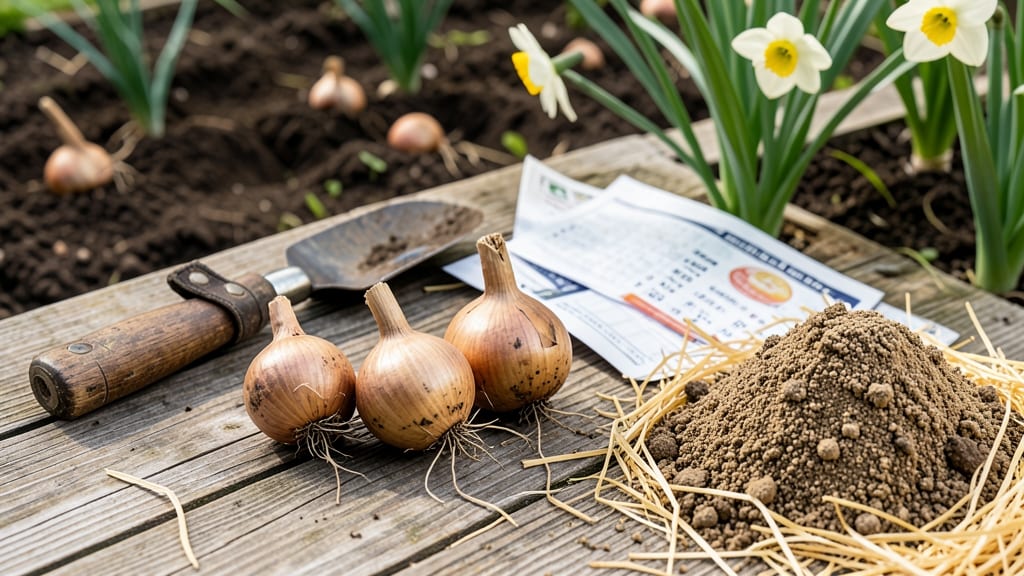
Planting daffodils in Minnesota at the wrong time can mean the difference between a vibrant spring display of 🌼 and bulbs that rot in the cold soil. The key to success lies in timing—specifically, the 6-week window between September and mid-October when soil temperatures drop but frost hasn’t yet arrived.
For gardeners in USDA Zones 4a-5b, this timing isn’t just about the calendar—it’s about understanding your yard’s microclimate. Too early, and bulbs may sprout before winter; too late, and they won’t establish roots before the ground freezes.
I’ll walk you through the exact cues to watch for so you can plant with confidence, whether you’re in the Twin Cities or northern Minnesota.
Why does this matter? Because daffodils are one of the first signs of spring, and getting them right means months of color before other flowers even think about blooming.
We’ll also cover what to do if Mother Nature throws a curveball—like an early frost or unseasonably warm fall—so your bulbs stay safe and healthy.
Ready to set the stage for next year’s brightest garden moments? Let’s dive into the perfect planting schedule and pro tips to make sure your daffodils thrive in Minnesota’s challenging climate.
Optimal planting months for daffodils in Minnesota’s USDA Zone 4 climate
In Minnesota’s USDA Zone 4, daffodils thrive when planted during a 6-8 week window between late summer and early fall. This timing ensures bulbs establish roots before the ground freezes, setting the stage for vibrant spring blooms.
The ideal window spans from mid-September to mid-October, but exact timing depends on your location—northern Minnesota may need to plant earlier than southern regions.
Daffodils need 6 weeks of root growth before winter dormancy kicks in. If you plant too early, bulbs may sprout prematurely and get damaged by frost. Too late, and they won’t establish strong roots before the ground freezes.
Think of it like preparing for a long winter nap—your bulbs need time to get cozy and settled in.
For northern Minnesota (Zone 4a), aim to plant by late September. In southern Minnesota (Zone 4b-5b), you can stretch planting until mid-October. Always check your local frost dates—Minnesota’s first frost typically arrives in mid-October, but it can vary by 2-3 weeks depending on the year.
Here’s a quick rule of thumb: Plant daffodils when your soil temperature drops to 50°F (10°C) at a depth of 4 inches. This usually aligns with late September for most of the state. Use a soil thermometer to check—it’s your best friend for timing!
Minnesota’s microclimates can also affect planting. Urban areas may stay warmer longer, while rural spots can freeze earlier. If you’re unsure, err on the side of planting slightly earlier rather than later. A well-timed planting gives your daffodils the best chance to survive winter and thrive in spring.
🌼
Daffodil Planting Timeline for Minnesota
| Stage | Action | Northern MN (Zone 4a) | Southern MN (Zone 4b-5b) |
|---|---|---|---|
| Soil Prep | Loosen soil, amend with compost | Mid-August | Late August |
| Planting Window | Plant bulbs 6 inches deep | Mid-Sept - Late Sept | Late Sept - Mid-Oct |
| Watering | Deep water after planting | Weekly until frost | Weekly until frost |
| First Frost | Ground freezes | Mid-October | Late October |
| Spring Blooms | Flowers emerge | April - Early May | Late April - May |
If you miss the fall window, don’t panic! You can plant daffodils in early spring (March-April), but they may bloom later in the season. Spring-planted bulbs won’t establish as deeply, so they’re more vulnerable to late frosts and drought.
For best results, stick with fall planting—it’s the golden ticket to show-stopping spring color.
Pro tip: Mark your calendar for September 15th as your target planting date. This gives you a buffer for early frosts while ensuring bulbs have enough time to root.
If you’re in northern Minnesota, start planting by September 1st to avoid rushing. In southern Minnesota, you can push it to October 1st if needed.
For extra confidence, check Minnesota’s frost-free days map (around 140 days in most areas). Planting 6 weeks before the first frost ensures your daffodils have plenty of time to settle in.
With the right timing, your garden will reward you with cheerful yellow blooms that brighten up even the coldest Minnesota springs.
☀️
Optimal planting months for daffodils in Minnesota’s USDA Zone 4 climate
Minnesota’s USDA Zone 4 climate demands precise timing for daffodil bulbs—plant too early, and they’ll rot in warm, damp soil; too late, and roots won’t establish before winter.
The 6-8 week window between mid-September and mid-October is your target, but northern Minnesota’s colder microclimates may shift this by 1-2 weeks earlier than southern regions.
For most of Minnesota, aim to plant daffodils when daytime highs hover around 60°F and soil temperatures drop below 60°F.
This typically lands in late September to early October, but always check your local frost date predictions—planting 6 weeks before the first hard frost ensures bulbs have time to root.
Southern Minnesota (like the Twin Cities) can sometimes extend planting into early November, while northern areas (e.g., Duluth) should finish by mid-October. Use a soil thermometer to confirm readiness—ideal planting temps are 50-60°F.
| Region | Best Planting Window | Soil Temp Check | Key Notes |
|---|---|---|---|
| Southern MN (Twin Cities) | Late September - Early November | 50-60°F | Warmer microclimates allow later planting |
| Central MN (St. Cloud) | Mid-September - Mid-October | 50-60°F | Standard timing for most gardeners |
| Northern MN (Duluth) | Late August - Early October | 45-55°F | Cooler soils require earlier planting |
Missed the fall window? Spring planting is possible but risky—bulbs need 6-8 weeks of root growth before summer heat arrives.
If you must plant in spring, use potted daffodils (available at garden centers) and set them out by late March to early April, ensuring they’re in full sun and well-drained soil.
Pro tip: Label your planting spots—daffodil foliage dies back in summer, and you’ll want to avoid disturbing the bulbs when they’re dormant. A simple wooden stake or garden flag works perfectly.
For continuous spring color, consider staggered planting: divide your bulbs into three groups and plant each 2-3 weeks apart within your optimal window. This ensures blooms appear over 3-4 weeks instead of all at once.