
Plants
If you're dreaming of a lush, green lawn in North Texas but dread the thought of battling 100°F+ heat just to plant Bermuda grass seed there, you're not alone.
Planting it at the wrong time can mean struggling with weak growth, pest invasions, or even total failure—especially in our Zone 8a climate where summers are unforgiving.
The key to success isn’t just picking a season; it’s choosing the right window when soil temps and rainfall align perfectly for deep root establishment.
Most gardeners in North Texas assume late spring is the only option, but that’s where many make costly mistakes. While April through June is the traditional window, the scorching heat and drought conditions can stress young seedlings before they even take hold.
What if I told you there’s actually a better time to plant—one that gives your grass a fighting chance against the Texas sun? Let’s break down the best strategies for timing your Bermuda grass seed planting like a pro.
Think about it: your lawn isn’t just surviving the summer—it’s thriving in it. That means planting when the ground is warm enough to encourage rapid growth but cool enough to avoid heat shock.
We’re talking soil temperatures above 65°F, steady moisture, and a smart approach to irrigation that keeps roots strong without wasting water. Whether you’re in Dallas, Fort Worth, or Waco, these insights will help you skip the guesswork and get the best results every time.
Ready to transform your yard from patchy and struggling to vibrant and resilient? Let’s dive into the exact months, soil prep tips, and care tricks that make all the difference in North Texas. Your dream lawn starts with the right timing—and trust me, it’s simpler than you think.
Optimal planting windows for Bermuda grass in North Texas: spring vs fall breakdown
Bermuda grass thrives in North Texas' USDA Zone 8a-8b climate, but timing your planting is critical. The ideal window spans late spring to early summer, but fall offers a surprising second chance. Let’s break down the pros, cons, and regional nuances for each season.
Spring planting (April–June) aligns with Bermuda grass’s natural growth cycle, but early plantings risk chinch bugs and drought stress. Fall planting (September–October) extends the growing season, but winter cold can stunt progress.
Your choice depends on soil temperature, rainfall patterns, and local microclimates like Dallas-Fort Worth’s urban heat vs. Waco’s drier air.
Here’s how the two seasons stack up for North Texas:
| Factor | Spring Planting (April–June) | Fall Planting (September–October) |
|---|---|---|
| Soil Temperature | 65–75°F (ideal for germination) | 60–70°F (cooler but still viable) |
| Rainfall Reliability | Unpredictable (May–June drought risk) | More consistent (September showers) |
| Pest Risks | High (chinch bugs, grubs) | Moderate (fewer pests in cooler months) |
| Establishment Time | 4–6 weeks (fast but heat-stressed) | 6–8 weeks (slower but stronger roots) |
| Best For | Fast coverage, high-traffic areas | Long-term resilience, drought prep |
| North Texas Regions | DFW (April), Waco (May) | Abilene (September), East TX (October) |
For spring plantings, aim for mid-April to early June when soil temps hit 65°F+. Use shade cloth if planting in May to protect seedlings from 100°F+ heat. In fall, plant late September to mid-October—this gives roots time to establish before winter dormancy.
Pro tip: Test soil moisture before planting. Bermuda grass needs 1–1.5 inches of water per week during establishment, but overwatering in summer leads to fungal issues. In North Texas, irrigation schedules must adapt to unpredictable rainfall—spring is drier, while fall often brings relief.
Regional variations matter: DFW’s urban heat means earlier planting (April), while West Texas (Abilene) can wait until May. Fall plantings in East Texas (e.g., Tyler) may extend into early November if frost isn’t imminent.
Always check your local frost dates—North Texas’ first frost averages November 15, but early cold snaps can occur.
If you’re torn between seasons, fall planting often yields healthier, deeper roots by spring. However, spring plantings deliver faster coverage—ideal for sports fields or high-use lawns. Balance speed vs. resilience based on your priorities.
Remember: Bermuda grass is aggressive once established, but poor timing leads to weak growth or pest invasions. Whether you choose spring or fall, soil prep (aeration, compost) and consistent watering are non-negotiable for success in North Texas’ extreme climate.
🌱
Critical factors that determine success: soil temperature, rainfall, and pest risks
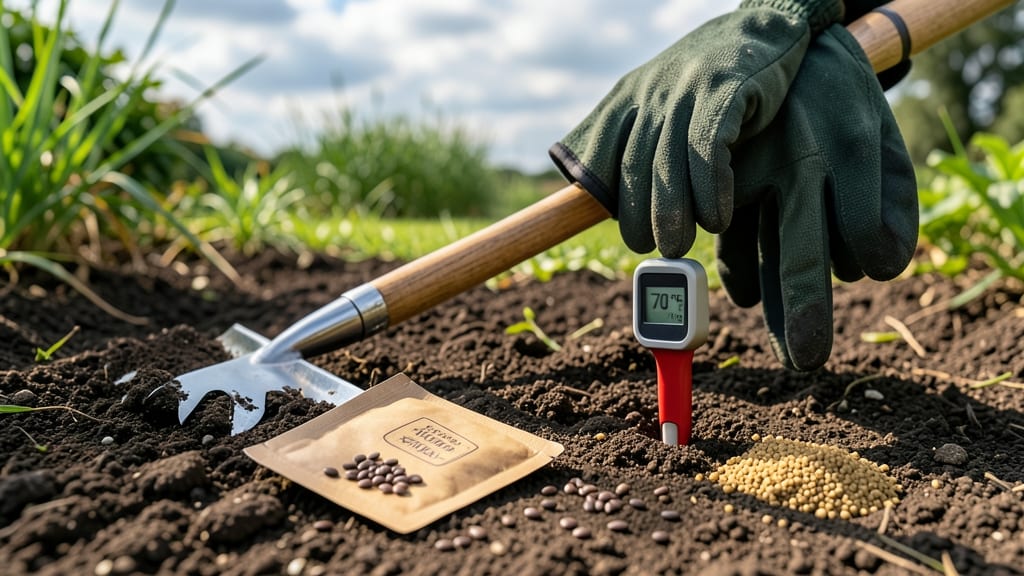
When planting Bermuda grass seed in North Texas, soil temperature is your #1 priority. Seedlings need consistent warmth—ideal germination occurs between 65–75°F. Use a soil thermometer to check depths of 2–4 inches before planting.
In spring, wait until late April when soil warms reliably; in fall, aim for early September when temps hover around 70°F.
North Texas’ unpredictable rainfall adds another layer of challenge. Bermuda grass thrives with 1–1.5 inches of water weekly during establishment, but overwatering in summer can cause fungal diseases like brown patch.
In spring, rely on drip irrigation or soaker hoses to deliver moisture directly to roots, avoiding leaf wetness. Fall plantings benefit from natural rainfall, but supplement with early morning watering to prevent drought stress.
Here’s what you need to monitor for a successful planting:
Key Factors for Bermuda Grass Success in North Texas
- Soil Temp: 65–75°F for germination (use thermometer)
- Watering: 1–1.5 inches weekly (deep soak, early morning)
- Pest Watch: Chinch bugs peak in May–June (treat with neem oil)
- Rainfall: Supplement in spring; rely on nature in fall
- Shade: Use 30% shade cloth for May plantings to reduce heat stress
Pest risks spike in spring plantings, particularly chinch bugs, which can devastate young Bermuda grass. Scout your lawn weekly for yellow patches or winged insects.
Apply neem oil or pyrethrin-based insecticides at the first sign of infestation. Fall plantings face fewer pests, but armyworms may appear in late September—set up light traps if needed.
Don’t overlook soil testing before planting. North Texas soils often lack phosphorus and potassium, which Bermuda grass craves. Amend with compost or a balanced fertilizer (10-10-10) 2–3 weeks before seeding. Aim for a pH of 6.0–7.0—acidic soil (pH <5.5) stunts root growth.
For DFW residents, urban heat islands can raise soil temps 5–10°F higher than rural areas. Adjust planting dates 1–2 weeks earlier if your yard feels like an oven. In West Texas (Abilene), wait until May 15+ to avoid sudden cold snaps.
Always check NOAA frost predictions—North Texas’ first frost averages November 15, but early frosts can hit by October 20.
Pro tip: Mulch lightly with straw after planting to retain moisture and regulate soil temps. Avoid thick mulch layers—Bermuda grass needs direct contact with warm soil to germinate. If planting in late summer (August), use black plastic mulch to raise soil temps 5–10°F faster.
💧