
Plants
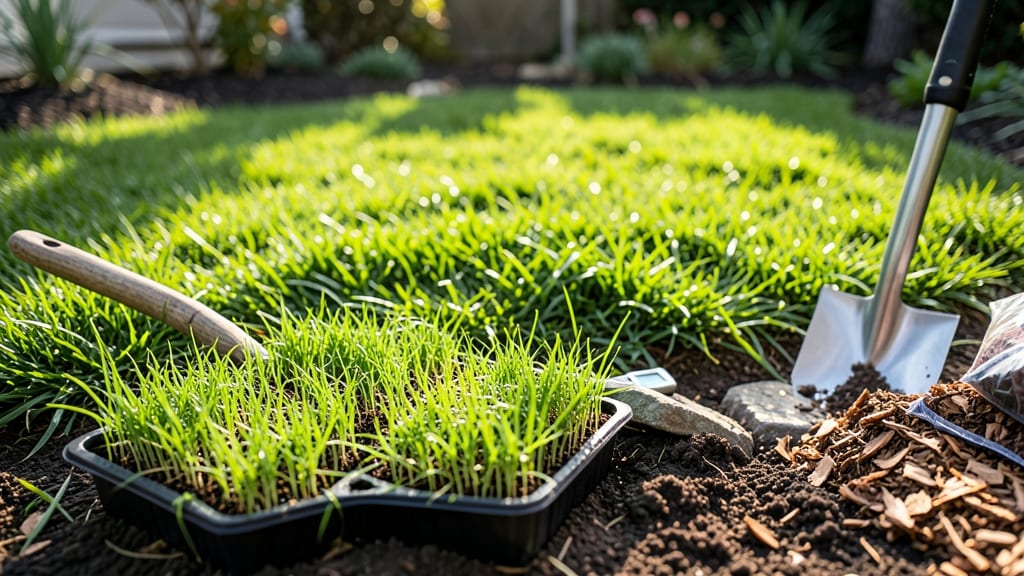
Timing your Bermuda grass planting in North Georgia could mean the difference between a vibrant lawn and a frustrating struggle. With USDA Zone 7a-8a conditions, you need to nail those late April to early June or late August to early September windows to avoid wasted effort.
This fast-growing grass thrives in heat and drought once established, but getting it off to the right start is everything. I've seen too many lawns fail because they planted too early—only to get hit by late frosts or too late—missing the sweet spot for root development.
Let me walk you through exactly when to plant for maximum success in North Georgia's climate. We'll cover soil prep, watering schedules, and how to handle those tricky microclimates that can make all the difference between a lush green lawn and patchy disappointment.
Whether you're starting from seed or sod, these insights will help you establish Bermuda grass that stays thick, green, and resilient all summer long—no guesswork required.
Optimal planting windows for Bermuda grass in North Georgia: spring vs fall comparison
North Georgia’s USDA Zones 7b-8a offer two prime windows for planting Bermuda grass: early spring and late summer. The key difference lies in soil temperatures and frost risk. Let’s break down the best times to plant for maximum success in your region.
Spring planting (late April–early June) aligns with rising soil temps after the last frost (typically mid-April). This gives seeds or sod 6-8 weeks of warm weather to establish roots before summer heat peaks. Fall planting (late August–early September) avoids early-season heat stress and allows roots to develop before winter dormancy.
Your choice depends on local microclimates. Piedmont regions (e.g., Athens, Gainesville) have hotter summers and may favor spring planting, while Appalachian areas (e.g., Blue Ridge) with cooler nights might see better success in fall. Always check 7-day soil temperature forecasts—aim for 65°F+ for germination.
| Factor | Spring Planting (Late April–Early June) | Fall Planting (Late August–Early September) |
|---|---|---|
| Ideal Soil Temp | 65–75°F | 70–80°F |
| Frost Risk | Low (after mid-April) | None |
| Growth Speed | Fast (warm soil) | Moderate (cooler nights) |
| Best For | Piedmont (hotter summers) | Appalachian (cooler microclimates) |
| Water Needs | High (establishment) | Moderate (tapering) |
Spring planting offers faster establishment but requires consistent watering during Georgia’s dry summers. Fall planting reduces heat stress but must finish rooting before first frost (mid-October). For sod, either window works—just ensure 1-2 weeks of warm weather post-installation.
If you’re in a transition zone (e.g., near 1,500 ft elevation), err on the side of fall planting. Cooler nights slow growth but reduce dormancy risks. Use a soil thermometer to confirm temps—Bermuda grass won’t germinate below 60°F, even in ideal conditions.
Pro tip: Overseeding with ryegrass in fall can extend your lawn’s green appearance, but Bermuda grass will outcompete it by late spring. Time your overseeding to late September for best results.
Regardless of season, avoid planting in July or August—the intense heat and humidity can cause seed desiccation or fungal issues. Stick to the optimal windows, and your Bermuda grass will thrive in North Georgia’s climate.
For sod vs. seed, sod establishes 3x faster but costs more upfront. Seeds are cheaper but require perfect timing and consistent moisture for 6–8 weeks. Choose based on your budget and patience!
🌱
Optimal planting windows for Bermuda grass in North Georgia: spring vs fall comparison
North Georgia's USDA Zone 7a-8a climate gives you two prime windows to plant Bermuda grass—but timing is everything. The ideal soil temperature for germination is 70°F or higher, which typically occurs in late April to early June for spring planting and late August to early September for fall.
Spring planting lets you capitalize on the warm months ahead, while fall planting gives your grass a head start before winter dormancy. I've found that late spring planting often yields faster establishment because the grass has more growing season to develop deep roots before summer heat sets in.
North Georgia's Piedmont region (warmer microclimates) may allow slightly earlier planting than the Appalachian foothills, where cooler nights can delay soil warming. Always check your local last frost date—typically mid-April in most areas—to avoid frost damage.
| Planting Window | Soil Temp Requirement | Best For | North Georgia Region |
|---|---|---|---|
| Late April - Early June | 70°F+ | Fast establishment | Piedmont (warmer) |
| Late August - Early September | 65°F+ | Root development before winter | Appalachian foothills (cooler) |
Note: Use a soil thermometer to verify temperatures before planting.
For seed planting, aim for late April to early May when soil temperatures consistently stay above 70°F. This gives seeds enough warmth to germinate quickly without drying out. If you're using sod, you can plant slightly earlier—around mid-April—since established sod handles cooler temperatures better.
Fall planting in late August allows your Bermuda grass to establish roots before winter dormancy. This approach works particularly well in North Georgia's Appalachian regions, where cooler nights can slow spring planting progress.
Just be sure to choose a drought-resistant variety like 'Tifway' or 'Riverdale' to handle Georgia's summer heat.
Remember that Bermuda grass is warm-season, meaning it goes dormant in winter. Planting too early in spring risks frost damage, while planting too late in fall may not give roots enough time to establish before cold weather sets in.
Always monitor your local weather forecasts for sudden temperature shifts that could affect your planting schedule.