
Plants
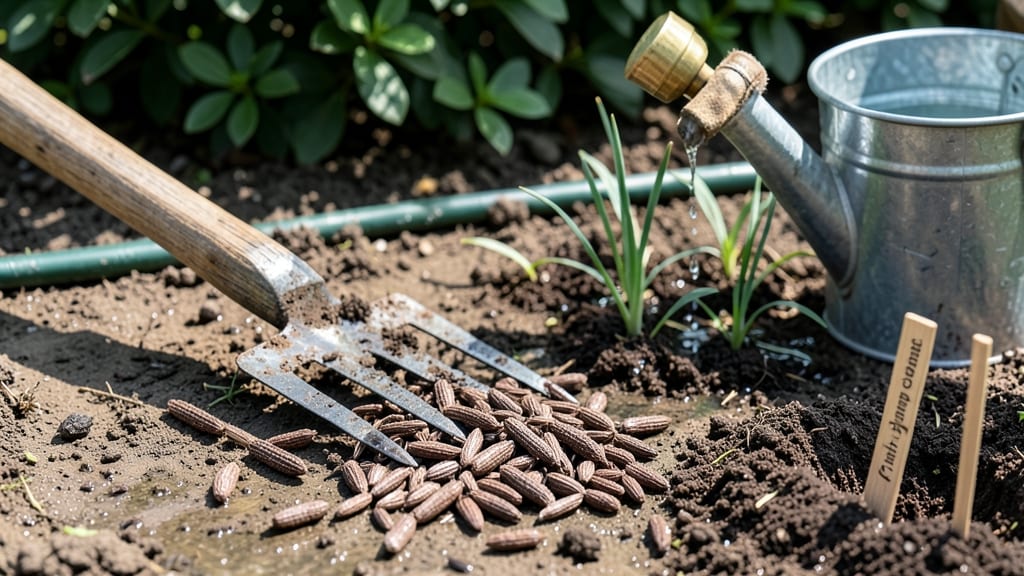
Timing your grass seed planting in spring can make or break your lawn’s success—especially when unpredictable weather throws a curveball.
In USDA Zone 6a, where I garden, the difference between a vibrant lawn and a patchy disappointment often comes down to planting just 4-6 weeks before the last frost (around mid-April here).
But here’s the catch: your exact timing depends on more than just the calendar. Cool-season grasses like Kentucky bluegrass love soil temperatures between 60-75°F, while warm-season types need to wait until after the last frost.
I’ll show you how to read your local climate clues—like soil warmth and rainfall—to nail the perfect window for fast, even germination.
Even if you’ve planted before, you might be missing a critical step. Proper soil prep—like aerating compacted earth or killing weeds—can double your success rate. And let’s be honest: nobody wants to waste seed on a lawn that’s already fighting weeds.
I’ll walk you through the 3-step prep checklist that’s kept my grass thick and green for years.
Ready to grow a lawn you’ll actually enjoy? Let’s dive into the exact dates, soil secrets, and care tips that’ll have your 🌱 grass thriving—no guesswork required.
USDA Zone-specific spring grass seed planting timeline for perfect germination
Spring is the perfect time to plant grass seed, but the exact timing depends on your USDA zone and local climate. Planting too early risks frost damage, while waiting too long can lead to summer heat stress.
The goal is to plant when soil temperatures reach 60-75°F—ideal for seed germination and root establishment.
In northern zones (3-6), focus on early spring planting, typically 4-6 weeks before your last frost date. For southern zones (7-10), late winter to early spring works best, avoiding summer heat. Always check your local frost dates and adjust for microclimates like shaded or windy areas.
Here’s a breakdown of the best planting windows by zone, including soil temperature targets and key regional considerations:
| USDA Zone | Ideal Planting Month | Soil Temp (°F) | Key Notes |
|---|---|---|---|
| 3-5 | Late April–early June | 55–65°F | Wait for last frost; avoid late planting if summer drought is likely. |
| 6-7 | March–mid-May | 60–70°F | Best in early spring; mulch to retain moisture. |
| 8-9 | February–March | 65–75°F | Plant early to avoid summer heat stress; use shade cloth if needed. |
| 10 | January–February | 70–80°F | Cool-season grasses thrive in mild winters; Bermuda grass prefers summer planting. |
For example, in Zone 6a (like much of the Midwest), aim to plant grass seed between late March and early May. If you’re in Zone 9a (Southern California), January to February is ideal for cool-season grasses like fescue or ryegrass.
Always double-check your local weather forecasts—unpredictable spring rains or late frosts can delay planting.
If you’re unsure about your zone, use the USDA Plant Hardiness Zone Map to find your location. Pro tip: Cool-season grasses (like Kentucky bluegrass) perform best in spring, while warm-season grasses (like Bermuda) should be planted in late spring or early summer.
Match your grass type to your climate for the best results.
One common mistake is planting too early in northern climates, where soil may still be too cold for germination. Use a soil thermometer to confirm temperatures are in the ideal range. If your soil is below 55°F, wait another week or two to plant.
In southern zones, the challenge is often summer heat. Planting in late winter or early spring gives seeds time to establish roots before temperatures rise. For tropical zones, consider shade cloth to protect new seedlings from intense sunlight.
Finally, always check the seed packet instructions—they often include regional planting windows tailored to your area. Combine this with your USDA zone and local weather patterns for a foolproof planting schedule. With the right timing, you’ll see uniform germination in 7–21 days and a lush lawn by summer.
🌱
USDA Zone-specific spring grass seed planting timeline for perfect germination
Planting grass seed at the right time in spring is all about matching your USDA zone with ideal soil temperatures. Cool-season grasses like Kentucky bluegrass and fescue thrive when soil hits 60-75°F, while warm-season types such as Bermuda or Zoysia need to wait until after the last frost.
In my Zone 6a garden, I’ve learned that planting too early risks frost damage, while waiting too long lets weeds take over.
Your exact planting window depends on your zone. For example, gardeners in Zones 3-5 should aim for late April to early May, while those in Zones 7-10 can start as early as mid-March.
The key is to plant when daytime highs consistently stay above 50°F—this ensures your seeds won’t freeze before germinating.
| USDA Zone | Ideal Planting Window | Soil Temp Goal (°F) | Key Climate Tip |
|---|---|---|---|
| Zones 3-5 | Late April - Early May | 60-70°F | Wait for last frost + 4 weeks |
| Zones 6-7 | Mid-April - Mid-May | 65-75°F | Plant when soil warms to 60°F |
| Zones 8-10 | March - Early April | 70-80°F | Avoid summer heat—plant early |
Regional microclimates can shift your timeline by weeks. For instance, coastal areas in Zone 7 might plant in March, while inland regions could wait until May.
I always check my local National Weather Service frost predictions and adjust accordingly. Pro tip: Use a soil thermometer—it’s the most accurate way to confirm readiness.
If you’re unsure about your zone, the USDA Plant Hardiness Zone Map is your best friend. Simply enter your ZIP code to find your exact zone, then cross-reference with the table above.
Remember, cool-season grasses (like those in Zones 3-7) should be planted in early spring, while warm-season grasses (Zones 7-10) do better in late spring.
One mistake I see often? Planting based on the calendar instead of soil conditions. Even if it’s May 1st, if your soil is still below 60°F, your seeds will struggle.
Always prioritize soil temperature over the date on your calendar. For faster results, consider a seed starter mat to warm cold soil before planting.
Finally, don’t forget that rainfall patterns play a huge role. If your area is drought-prone, plant when consistent moisture is forecasted. In my dry Zone 6a climate, I schedule planting for April showers to ensure seeds stay hydrated during germination.
With the right timing, your lawn will be thick and green in just 14-21 days—no patchy surprises here!