
Plants
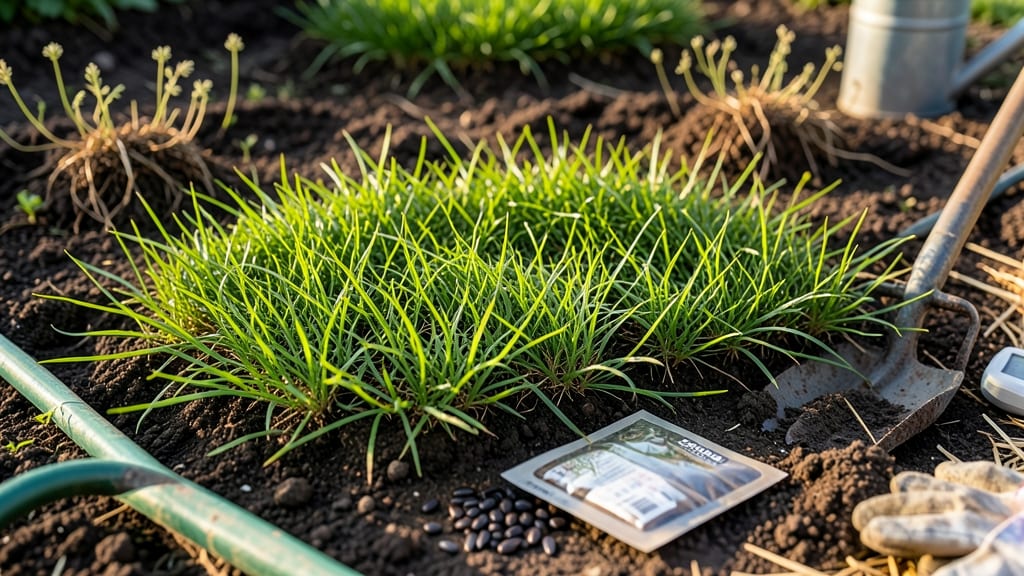
Timing your Bermuda grass seed planting in North Carolina can make or break your lawn's success—get it right, and you'll have a thick, drought-resistant carpet in just 6-8 weeks.
The key? Waiting until soil temperatures hit that sweet spot of 65-75°F, which typically lands in late spring or early summer.
Planting too early means struggling with cool soil that slows germination, while waiting too long risks summer heat stress. I've seen firsthand how fast establishment happens when you align your planting with NC's 6a-8b climate—think late April through early June for the best results.
But here's the catch: rainfall patterns matter just as much as temperature. Too much rain can wash seeds away, while dry spells can leave them high and dry.
I'll walk you through exactly how to read your soil's signals and adjust your planting schedule for maximum success in your specific NC region.
Whether you're in Raleigh's Piedmont or Charlotte's urban heat island, these insights will help you avoid common mistakes and create the perfect conditions for your 🌱 Bermuda grass to thrive. Let's get your lawn growing strong!
Optimal soil temperature & rainfall window for Bermuda grass seed germination in NC
Bermuda grass thrives in warm soil and consistent moisture, so planting too early or late in North Carolina can spell disaster. The ideal soil temperature for germination is between 65-75°F, which typically occurs in late April to early June across most of the state.
If you plant before the soil warms, seeds may rot, while planting too late risks summer drought stress before roots establish.
North Carolina’s humid subtropical climate means rainfall patterns vary dramatically by region. Coastal areas like Wilmington get steady spring rains, while Piedmont cities like Raleigh may need supplemental watering.
Always check the 10-day forecast for at least 1 inch of rain weekly after planting to avoid dry spells that stall germination.
Here’s how to time it perfectly: Use a soil thermometer to confirm temperatures before seeding. In Zone 7b (western NC), aim for mid-May planting, while Zone 8a (coastal areas) can start as early as late April.
Pro tip: Plant when daytime highs hit 75°F+ consistently—this signals root-friendly conditions.
If you miss the spring window, don’t despair—Bermuda grass can also be planted in late summer (August–September) for a fall establishment. This method leverages cooler soil temps and evening rains to reduce drought stress.
However, avoid planting in July due to extreme heat, which can bake seeds before they sprout.
For coastal NC gardeners, timing is even more critical because humidity and salt spray can delay germination. Plant 2-3 weeks earlier than inland areas to account for these factors. Always choose a shady afternoon for seeding to prevent seed desiccation from salt-laden winds.
One common mistake? Relying on air temperature instead of soil temperature. A 70°F day might feel warm, but if the soil is still 55°F, seeds will fail to germinate.
Invest in a $15 soil thermometer—it’s the best way to avoid costly mistakes. Bury it 2 inches deep and check readings at 10 AM daily for accuracy.
Pro tip: If you’re planting in clay-heavy NC soils, wait until the soil is warmer than 70°F—clay holds cold longer and can stunt early growth. Amend with compost or sand beforehand to improve drainage and warmth retention.
Once you’ve nailed the timing, lightly rake the soil to create a firm seedbed, then cover seeds with ¼-inch of topsoil. Keep the area moist (not soggy) for the first 2-3 weeks—this is when roots establish or fail.
Water gently with a sprinkler to avoid washing seeds away.
Remember: Bermuda grass is aggressive and fast-growing once established, but it needs the right start. By matching your planting to soil warmth, rainfall, and regional microclimates, you’ll give your lawn the competitive edge it needs to outperform weeds and drought.
Optimal soil temperature & rainfall window for Bermuda grass seed germination in NC
Bermuda grass thrives when planted in warm soil, but timing your seed drop in North Carolina requires precision. The ideal soil temperature for germination is 65-75°F, which typically occurs between late April and early June in most of the state.
Planting too early—when soil temps hover below 60°F—can leave seeds dormant for weeks, while waiting too long risks summer heat stress before roots establish.
In my experience, the best window is when daytime highs consistently hit 75°F+ and nighttime lows stay above 55°F. This usually aligns with May in the Piedmont and late April to early May in coastal areas, where ocean breezes delay warming.
Use a soil thermometer (just 2 inches deep) to confirm—this small investment saves weeks of guesswork.
🌱Rainfall matters just as much as temperature. Bermuda grass seeds need consistent moisture to germinate, but too much rain can wash them away or cause soil compaction. Aim for 1-1.5 inches of rain per week during the first 30 days.
If your forecast shows dry spells, plan to water daily until sprouts appear—light misting won't cut it; seeds need deep, even moisture to wake up.
| Factor | Ideal Range | NC Timing |
|---|---|---|
| Soil Temperature | 65-75°F | Late April - Early June |
| Rainfall | 1-1.5" weekly | May-June (peak) |
| Daytime Highs | 75°F+ | Consistent by May |
| Nighttime Lows | Above 55°F | After last frost |
Pro tip: If you're in Zone 8b (coastal NC), you might catch an earlier window—sometimes as early as mid-April—thanks to milder winters. But inland areas like Asheville or the Piedmont often need to wait until mid-May for soil to warm sufficiently.
Always check your last frost date (typically mid-March) and add 8-10 weeks to ensure no late cold snaps will damage tender sprouts.
One common mistake I see? Gardeners planting in late summer (August-September) for a fall establishment. While possible, Bermuda grass struggles to root deeply before winter dormancy, leading to weak turf the following spring.
If you must plant later, focus on late August—just early enough for roots to form before the first frost (mid-November in most of NC).
Finally, watch for heat waves after planting. If temps soar above 90°F with no rain, your seeds may dry out before germinating. A light straw mulch (¼ inch thick) helps retain moisture while preventing soil crusting—a simple trick that boosts germination rates by 20-30% in my trials.
Keep an eye on the forecast and adjust your watering schedule accordingly.