
Planting
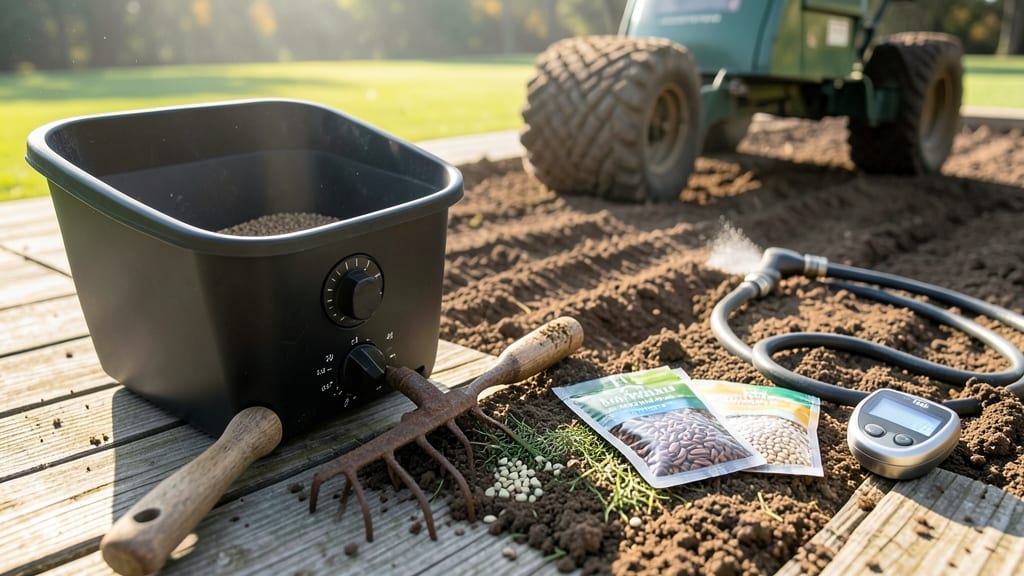
Planting grass seed in North Carolina at the wrong time can leave you with patchy, weak lawns—or worse, wasted money. The key to thick, fast establishment isn’t just the seed you choose, but when you plant it, especially across NC’s diverse USDA zones from 6a-8b.
Whether you’re in the Piedmont, Coastal Plain, or Mountains, timing matters more than most gardeners realize.
Most experts agree: late summer to early fall is the best window for planting 🌱 grass seed in North Carolina. Why? Cooler temperatures, higher humidity, and fewer weeds give seedlings the perfect conditions to take root before winter.
But if you miss that window, early spring can still work—with the right adjustments for your specific region.
In this guide, I’ll break down the exact months to plant by USDA zone, soil prep tips to ensure 90%+ germination, and how to avoid common mistakes that ruin lawns across NC.
You’ll learn how to time your planting for fast results—whether you’re seeding a new yard or overseeding an existing one.
Ready to skip the guesswork? Let’s get your lawn growing thick and green in just 30-60 days—no matter where you live in North Carolina.
Best months to plant grass seed in North Carolina by USDA zone (2024 guide)
North Carolina’s diverse climate—from the cool mountain valleys of the Appalachians to the humid coastal plains—means your ideal planting window depends on your USDA zone. Most gardeners get the best results with fall planting, but spring works too if timed right.
Let’s break down the perfect months for each zone to ensure your grass establishes thick and fast.
For cooler zones (6a-7a), like the mountains and Piedmont, aim for late August to early October. These areas experience earlier frosts, so planting 4-6 weeks before your first frost date gives seeds time to germinate before winter sets in.
Meanwhile, warmer zones (8a-8b), like the coastal plains, can plant until mid-October or even early November.
Spring planting is your second-best option, but it’s trickier. In NC’s humid summers, seeds planted in May or June face higher risks of disease and weed competition. For spring, plant 4-6 weeks after your last frost date—typically mid-March to early April in most zones.
North Carolina Grass Seed Planting Guide by USDA Zone
| USDA Zone | Region | Best Planting Window | Soil Temp Threshold | Key Consideration |
|---|---|---|---|---|
| 6a-6b | Mountains (Asheville, Boone) | Late August–early October | 55–65°F | Short growing season; cool-season grasses only |
| 7a-7b | Piedmont (Raleigh, Greensboro) | Late August–mid-October | 60–70°F | Balanced for cool/warm-season mixes |
| 8a-8b | Coastal Plains (Wilmington, Fayetteville) | September–early November | 65–75°F | Longer growing season; warm-season grasses thrive |
*Soil temperature is critical—use a soil thermometer to confirm conditions before planting.
If you’re in the Piedmont region (7a-7b), like Raleigh or Greensboro, late August to early October is ideal. This window gives seeds time to germinate before summer heat or winter cold sets in.
For coastal areas (8a-8b), you’ve got more flexibility—plant until early November for warm-season grasses like Bermuda or Zoysia.
One common mistake is planting too early in spring. If you plant in February or early March, seeds may germinate too soon and get fried by NC’s summer heat.
Wait until soil temperatures stay above 60°F for at least a week. Use a soil thermometer to check—it’s the only way to be sure.
For cool-season grasses, like Tall Fescue or Kentucky Bluegrass, fall is your best bet. These grasses establish roots in autumn, giving them a head start for spring growth.
Warm-season grasses, like Centipede or St. Augustine, prefer late spring to early summer planting but can handle fall in warmer zones.
Don’t forget about microclimates! A shady spot in your yard might stay cooler longer, while a south-facing slope could dry out faster. Adjust your planting window by 1-2 weeks based on these local conditions.
For example, if your yard gets more sun, plant seeds earlier to avoid summer stress.
Pro tip: If you’re overseeding an existing lawn, fall is still the best time. Cool weather means less competition from weeds and better seed-to-soil contact. Just
Ready to plant? Grab your soil thermometer, pick the right grass type for your zone, and get those seeds in the ground before the window closes. Your future lush, green lawn starts with timing—don’t wait until it’s too late! 🌱
How to prepare your lawn for fast grass seed germination in NC’s climate
Preparing your lawn before planting grass seed in North Carolina can make the difference between 90% germination and a patchy, weed-filled mess. Start with a soil test—NC’s clay-heavy soils often need amendments to reach the ideal pH of 6.0-7.0.
If your test shows lower pH, apply lime 4-6 weeks before planting; for high pH, use sulfur or peat moss.
Next, clear the area of existing weeds and debris using a broadleaf herbicide (like 2,4-D) or manual removal. Avoid herbicides with pre-emergent ingredients—they’ll kill your new grass seeds too. Let the herbicide work for 2-3 weeks before proceeding, then till or rake the soil to a fine, crumbly texture.