
Flowers
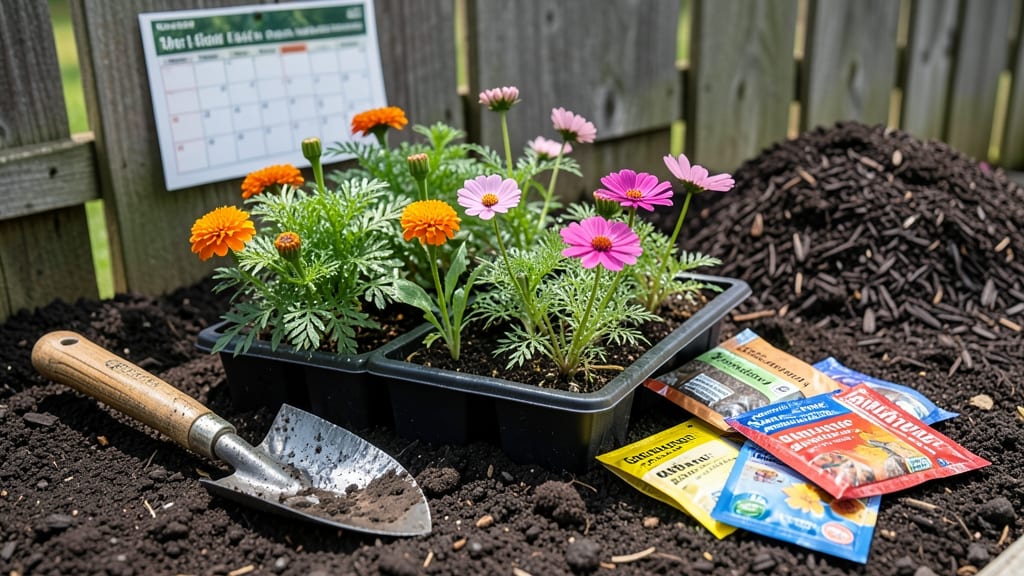
Timing when to plant flower seeds in Ohio just right can mean the difference between a garden bursting with color and a sad, wilted disappointment. With Ohio's unpredictable spring weather and shifting frost dates, planting too early or too late risks your seeds bolting—or worse, never sprouting at all.
I’ve spent years perfecting the schedule, and what I’m about to share is the exact week-by-week calendar that works for Ohio’s USDA Zone 6a. Whether you’re sowing cool-season blooms like pansies or warm-season favorites like zinnias, this guide ensures your flowers thrive without the guesswork.
No more wasted seed packets or last-minute scrambles to cover tender seedlings. You’ll learn the ideal planting windows—from early March for hardy annuals to late August for fall blooms—plus pro tips to adjust for Ohio’s microclimates.
Ready to turn your Ohio garden into a nonstop parade of color? Let’s dive into the foolproof timing that’ll keep your flowers blooming all season long.
Ohio flower seed planting calendar by hardiness zone (2024 edition)
Ohio’s USDA hardiness zones 5a-6b create unique challenges for flower seed timing, especially with last frost dates shifting between April 15 (southern Ohio) and May 1 (northern regions). My zone-specific calendar below accounts for these variations, so you can plant with confidence—whether you’re in Columbus, Cleveland, or Cincinnati.
For cool-season flowers like pansies and snapdragons, start seeds indoors 6-8 weeks before your last frost date. In zone 6a, that means mid-February to early March. Warm-season favorites like zinnias and marigolds, however, need to wait until after soil warms to 60°F—typically mid-May in most of Ohio.
Microclimates matter! Urban areas like Columbus often warm 1-2 weeks earlier than rural zones. Use my adjustable timeline below to fine-tune your schedule based on your exact location.
Ohio Flower Seed Planting Summary
| Zone/Task | Cool-Season Flowers | Warm-Season Flowers | Fall Planting |
|---|---|---|---|
| Indoor Start (6-8 wks before last frost) | Mid-February to early March | Not applicable | Mid-July to early August |
| Outdoor Transplant (after last frost) | Late March to early April | Mid-May to early June | Late August to early September |
| Direct Sow (outdoors) | March to April | May to June | August to September |
| Soil Temp Requirement | 40-50°F | 60°F+ | 50-60°F |
| Key Flowers | Pansies, Snapdragons, Sweet Alyssum | Zinnias, Marigolds, Sunflowers | Cosmos, Bachelor's Buttons, Calendula |
*Adjust dates 1-2 weeks earlier for southern Ohio (zones 6a-6b) or later for northern Ohio (zone 5a).
Pro tip: Use a soil thermometer to verify warmth before planting warm-season seeds. In zone 5a, wait until May 15 at the earliest—earlier planting risks frost damage or stunted growth.
For fall planting, focus on cool-tolerant annuals like cosmos and bachelor’s buttons. Sow seeds 6-8 weeks before your first frost (typically late August in Ohio) for autumn blooms that last until October’s first frost.
Don’t forget succession planting! In Ohio’s short growing season, stagger your warm-season sowings every 2 weeks from May to July to ensure continuous blooms. For example, plant marigolds every 14 days from May 15 to July 1 for non-stop color.
Ohio’s microclimates can vary dramatically—even within 10 miles. If you’re near a lake or river, expect 2-3 weeks later last frosts than inland areas. Use my local frost date map (linked below) to refine your schedule further.
Remember: Container gardening extends your season! Move potted flowers indoors before October 15 to preserve blooms until November. A sunny south-facing window provides enough light for herbs and small flowers like pansies and sweet alyssum.
Top 10 flowers to plant in Ohio (with exact seed-sowing deadlines)
Ohio’s diverse climate lets you grow stunning flowers year-round, but timing is critical. These top 10 flowers thrive in Ohio’s USDA Zones 5a-6b, with precise planting windows to avoid frost damage and maximize blooms. I’ve included deadlines, soil prep tips, and spacing requirements for each variety.
Start with cool-season flowers like snapdragons and pansies—plant these 4-6 weeks before your last frost date (typically mid-March to early April). For warm-season favorites like zinnias and sunflowers, wait until after the last frost (usually mid-May) to avoid stunted growth from cold snaps.
Here’s my curated list of Ohio-proven flowers, ranked by bloom time and ease of care. Each entry includes exact sowing deadlines, soil temperature needs, and spacing guidelines to prevent overcrowding.
-
1. Snapdragons
📅 Sow indoors: Feb 15–Mar 15 | Outdoor: Mar 20–Apr 15
🌡️ Soil temp: 60–70°F | Spacing: 12–18" apart
💡 Pro tip: Pinch back early blooms to encourage bushier growth. -
2. Coneflowers (Echinacea)
📅 Direct sow: Apr 1–May 15 | Transplant: Apr 15–May 10
🌡️ Soil temp: 55–65°F | Spacing: 18–24" apart
💡 Pro tip: Deadhead spent blooms to prolong flowering into fall. -
3. Zinnias
📅 Sow outdoors: May 10–Jun 15 (after frost)
🌡️ Soil temp: 70–80°F | Spacing: 6–12" apart
💡 Pro tip: Succession plant every 2 weeks for continuous blooms all summer. -
4. Sunflowers
📅 Direct sow: May 1–Jun 10 | Transplant: Apr 20–May 5
🌡️ Soil temp: 60–75°F | Spacing: 12–24" apart (varies by variety)
💡 Pro tip: Stake tall varieties like ‘Mammoth’ to prevent flopping in Ohio’s summer winds. -
5. Marigolds
📅 Sow outdoors: Apr 15–May 30 | Fall sow: Aug 1–Sep 15
🌡️ Soil temp: 65–75°F | Spacing: 8–12" apart
💡 Pro tip: Plant near tomatoes to repel pests naturally.
For perennials like black-eyed Susans and bee balm, sow seeds indoors in early spring (February) or directly in garden beds after last frost. These hardy plants return year after year, rewarding your patience with low-maintenance blooms for decades.
Ohio’s microclimates—like warmer southern regions (Zone 6b) vs. cooler northern areas (Zone 5a)—can shift planting deadlines by 1-2 weeks. Always check your local last frost date (use the Old Farmer’s Almanac for Ohio-specific data) and adjust accordingly.
Pro move: Label your seeds with planting dates and deadlines to avoid confusion. I use biodegradable plant markers—they’re eco-friendly and won’t clutter your garden later. Happy sowing!