
Plants
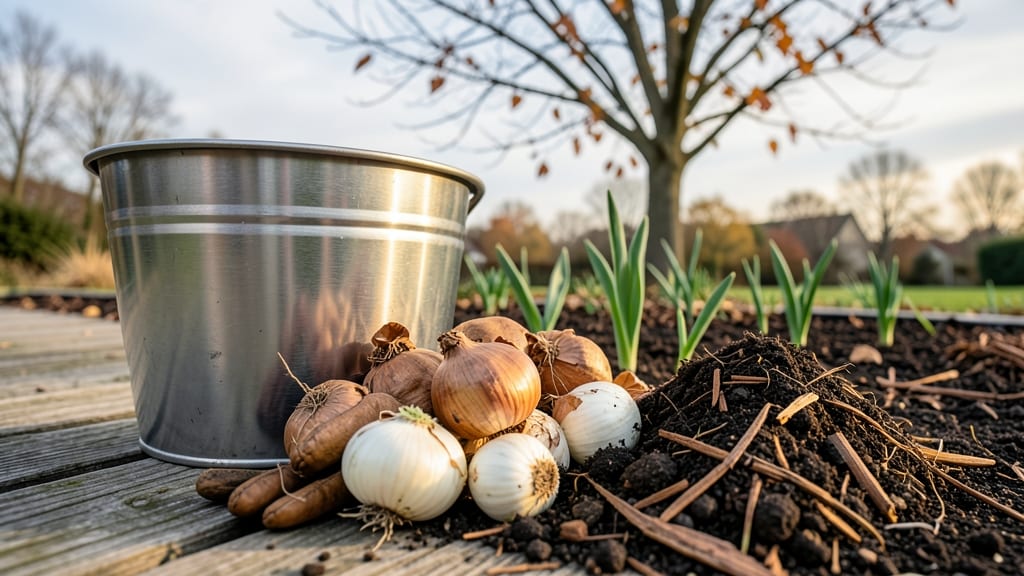
Planting tulips in Georgia isn’t just about picking a month—it’s about dodging the frost window that can turn your bulbs into mush. With Georgia’s mild winters and varying frost dates from Atlanta to Savannah, timing is everything to ensure those 🌷 blooms show up in spring instead of rotting in the ground.
Most gardeners assume fall planting is one-size-fits-all, but Georgia’s USDA zones 7b-8b demand precision. Plant too early, and your bulbs may sprout before the ground freezes; too late, and they’ll miss their chance to root before winter sets in.
The sweet spot? A 4-6 week window before the first frost—usually between October and December—but local microclimates can shift that by weeks.
What if you missed the fall window? I’ll show you whether spring planting is even worth trying in Georgia’s climate—or if you’re better off waiting another year. Plus, we’ll cover soil prep secrets to keep your tulips thriving, from Atlanta’s urban heat islands to Savannah’s coastal breezes.
Ready to avoid the 3 biggest mistakes Georgia gardeners make? Let’s break down the exact months, soil tricks, and post-planting care that’ll have your tulips blooming like clockwork next spring.
Georgia tulip planting dates by frost Zone (exact months for success)
Georgia’s mild winters and varied frost zones make tulip planting a tricky balance—too early, and bulbs rot; too late, and they’ll sprout too soon. The ideal window is October through December, but your exact timing depends on your USDA zone (7a-8b) and local frost patterns.
Most of Georgia falls in Zone 7b-8b, where the first frost typically arrives mid-November in northern areas (like Atlanta) and late November in coastal zones (like Savannah). To avoid bulb rot, plant 4-6 weeks before the ground freezes—usually late October to early November for most regions.
Here’s the breakdown by zone, including exact planting months and frost risk analysis to keep your tulips thriving:
For Zone 7a (northern Georgia), aim for late October to beat the first frost. In Zone 8b (coastal areas), you can extend planting into early December—but avoid January planting, as bulbs may sprout too soon and get fried by late frosts.
Pro tip: Use a soil thermometer to confirm temps are below 60°F before planting. If your soil stays warm (like in Zone 8b), wait until November to reduce sprouting risks.
Even in Georgia’s warmer zones, tulips need cold dormancy to bloom. Planting too late (after December 1) often results in weak or no flowers the next spring. Early December is the cutoff for most regions.
If you’re in a microclimate (like a sheltered garden bed), plant 2 weeks later than the zone average. Conversely, exposed areas need earlier planting to protect bulbs from early frosts.
For container gardening, plant tulips in October regardless of zone—they’ll need winter protection (like mulch or a cold frame) to survive Georgia’s occasional late frosts.
Remember: Spring planting (March-April) is a no-go in Georgia. Tulips planted in spring rarely bloom because they lack the cold period needed to trigger flowering.
Critical factors that change your planting timeline in Georgia
Georgia’s mild winters and microclimates mean your tulip planting window can shift by weeks depending on where you live.
In Atlanta (Zone 7b), average first frost dates arrive around November 15, giving you a broader window than in Savannah (Zone 8a), where frosts may hit as early as November 1.
Even within cities, urban heat islands can delay frost by 1-2 weeks compared to rural areas.
Soil temperature is your biggest clue. Tulip bulbs need 40-50°F soil to start rooting—check with a soil thermometer (or your elbow: if it feels cool but not freezing, it’s ready).
In north Georgia (Zone 7a), aim for mid-October planting; in south Georgia (Zone 8b), you might push it to early December.
Rainfall patterns also play a role. Heavy autumn rains in Savannah or Macon can waterlog soil, causing bulbs to rot. If your forecast calls for 5+ inches of rain in a week, delay planting until the ground dries out.
Conversely, drought conditions in Atlanta’s clay soil may require pre-watering before planting.
Don’t overlook microclimates in your yard. A south-facing slope stays warmer and may stay frost-free longer, while a low-lying area can trap cold air. Test your spot by planting a frost-sensitive plant (like pansies) in October—if they survive until December, your tulips are safe to plant later.
Missed the fall window? Spring planting is risky in Georgia—tulips need 12-16 weeks of cold dormancy to bloom properly. If you plant in February, your bulbs may sprout too early and get fried by April’s heat waves. Instead, store bulbs in a cool, dark place (like a garage) until next fall.
Pro tip: Use a frost calendar for your county (check the Georgia Climate Project website) to pinpoint your local frost dates. Then, count back 6 weeks—that’s your ideal planting window. For example, if frost hits November 20, plant by October 5.
Finally, mulch matters. A 3-inch layer of straw after planting insulates bulbs and extends your window by 1-2 weeks. Just remove it in early spring to prevent rot.