
Plants
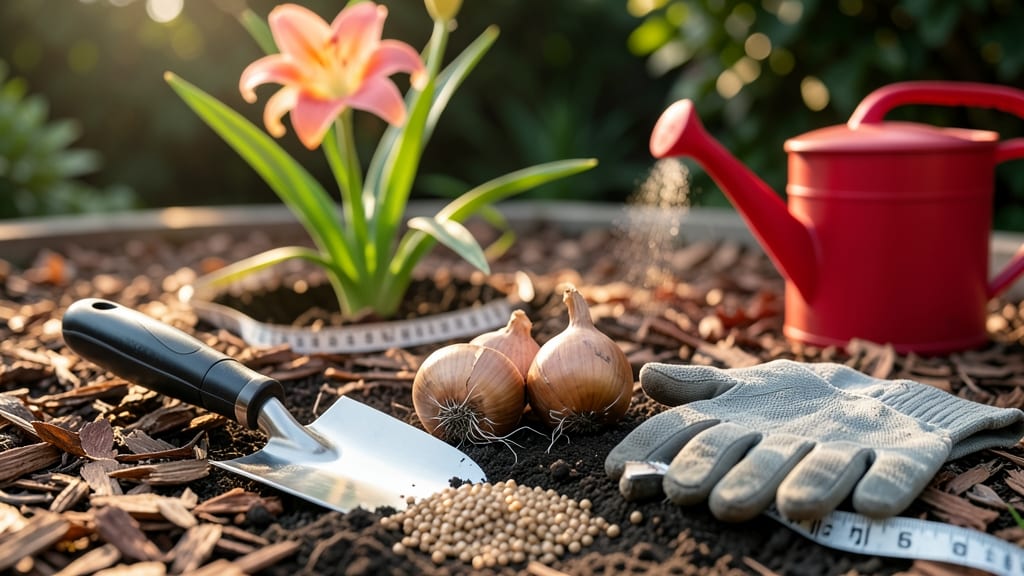
Timing your Asiatic Lily bulb planting just right in spring could mean the difference between a garden showstopper and a missed opportunity. These stunning 🌸 blooms thrive when planted after the last frost, but getting the exact moment wrong can leave you waiting all summer for those vibrant colors.
If you're in USDA Zone 6a—like many gardeners in the Midwest—aim for early to mid-spring, typically around April once soil temperatures hit 50°F. But here's the catch: colder regions need to wait longer, while warmer climates can start earlier.
The key is balancing soil warmth with frost-free conditions to give your bulbs the best start.
I’ve learned the hard way that planting too early risks frost damage, while waiting too late can delay blooms until late summer. The good news? With the right soil prep and a little patience, you’ll be rewarded with 3-4 foot stems bursting with color by mid-summer.
Let’s break down the perfect window for your zone and how to set your bulbs up for success.
Whether you’re a seasoned gardener or just starting, nailing this timing will save you from common mistakes like weak stems or sparse blooms. Stick with me, and I’ll show you exactly how to time it right—so your Asiatic Lilies become the star of your garden.
USDA zone-specific planting dates for Asiatic lily bulbs in spring
Planting Asiatic lily bulbs at the right time ensures they establish strong roots before summer heat arrives. The ideal window is after your last frost date but before soil temperatures exceed 75°F (24°C).
In most USDA zones, this means April to early May, but exact timing varies dramatically by region.
Northern gardeners in USDA zones 3-5 should wait until mid-to-late May when nighttime temperatures consistently stay above 50°F (10°C). Meanwhile, southern zones 7-10 can plant as early as February to March, but avoid extreme summer heat that stresses bulbs.
I’ve planted Asiatic lilies in zone 6a for years, and my best results come from waiting until April 15th—right after the average last frost of April 1st. This gives bulbs 8-10 weeks of root growth before summer’s peak.
Soil temperature is your secret weapon. Use a soil thermometer to confirm 60°F (15°C) at planting depth—cold soil delays sprouting, while hot soil can scorch delicate roots. Most garden centers sell affordable thermometers for under $15.
Microclimates matter too! Urban areas often experience heat islands, so plant bulbs 2-3 weeks earlier than rural zones. Conversely, high-altitude gardens (like Denver, CO) should delay planting by 1-2 weeks due to cooler nights.
Here’s the zone-by-zone breakdown you need to nail your planting timing:
| USDA Zone | Ideal Planting Window | Soil Temp Goal | Critical Note |
|---|---|---|---|
| 3-4 | Late May to early June | 60-65°F (15-18°C) | Wait for consistent 50°F+ nights |
| 5-6 | Mid-April to May 15 | 55-60°F (13-15°C) | Avoid planting if frost risk remains |
| 7-8 | February to March | 65-70°F (18-21°C) | Plant early to avoid summer heat |
| 9-10 | January to February | 60-65°F (15-18°C) | Use shade cloth if planting early |
🌱 Pro Tip: Check your local cooperative extension service for hyper-local frost data!
Don’t panic if you miss the perfect window. Asiatic lilies are forgiving—you can plant up to June 1st in most zones, though blooms may arrive 2-3 weeks later. The key is ensuring bulbs get 6-8 weeks of root growth before summer’s peak heat.
For container gardening, adjust timing by 1-2 weeks earlier—pots heat up faster. Place containers in partial shade during the hottest afternoons to protect bulbs until roots establish. I’ve had success with black fabric shade cloth (30% shade) over containers in zone 8.
After planting, mulch heavily (3-4 inches) with straw or shredded leaves to regulate soil temperature. This simple trick can extend your planting window by up to 10 days in hot climates by keeping roots cool.
Remember: Asiatic lilies bloom on new growth, so early planting = earlier flowers. My record blooms came from bulbs planted on April 1st in zone 6a—they burst into color by June 20th, beating late-planted bulbs by 3 weeks.
🌸
USDA zone-specific planting dates for Asiatic lily bulbs in spring
Asiatic lilies 🌸 demand precision when it comes to spring planting—too early and frost can damage tender bulbs, while waiting too long risks delayed blooms. The ideal window depends on your USDA zone, soil temperature, and last frost date.
For most gardeners, this means planting between mid-April and early June, but exact timing varies by region.
In USDA Zones 3-5, where frosts linger into May, wait until the soil warms to 50°F (10°C) and all danger of frost has passed.
Gardeners in Zones 6-8 can start as early as late March to early April, while those in Zones 9-10 might plant in November or December for winter blooms or early spring.
Here’s a quick reference to align your planting with your zone’s climate:
| USDA Zone | Ideal Planting Window | Soil Temp Requirement | Key Consideration |
|---|---|---|---|
| Zones 3-5 | Mid-April to early May | 50°F (10°C) | Wait for last frost + soil warmth |
| Zones 6-8 | Late March to early April | 45°F (7°C) | Plant after frost risk ends |
| Zones 9-10 | November-December or early spring | 60°F (15°C) | Avoid summer heat; plant in cooler months |
Pro tip: Use a soil thermometer to confirm readiness—bulbs need consistent warmth to sprout. In colder zones, consider a cloche or row cover for extra protection if planting early. Microclimates matter too; slopes warm faster than valleys, and urban areas may stay warmer longer.
Once planted, Asiatic lilies take 90-120 days to bloom, so timing directly impacts your summer display. For example, planting in early April in Zone 7 ensures blooms by mid-July, while waiting until May delays them until August.
Adjust for your local frost dates—check the National Weather Service or plant your bulbs 2-3 weeks before your average last frost.
Don’t overlook bulb size either—larger bulbs (3+ inches) establish faster and bloom more reliably. Pair your planting date with well-draining soil and full sun, and you’ll be rewarded with 3-4 foot stems packed with vibrant blooms by summer’s peak. 🌻