
Plants
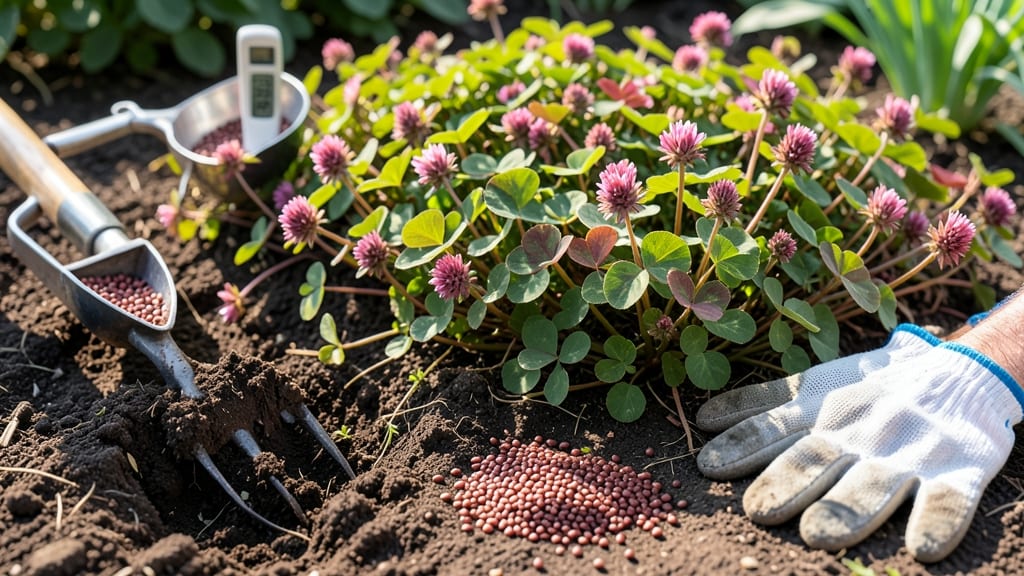
Planting crimson clover in Texas at the wrong time can turn your fall garden into a missed opportunity for winter forage and spring blooms. This hardy cover crop thrives when planted strategically, but Texas gardeners face unique challenges from North to South Texas.
The difference between success and failure often comes down to timing—especially in zones 8a-10b where frost dates vary wildly.
For most Texas gardeners, the best window is between September and November, when temperatures cool but before the first frost. This timing ensures strong root establishment before winter, setting the stage for vibrant growth come spring.
But if you’re in North Texas, you’ll need to plant earlier than someone in South Texas—where milder winters allow for later sowing.
Why does this matter? Crimson clover isn’t just pretty—it’s a game-changer for soil health, fixing nitrogen and preventing erosion. But if you plant too late, you risk weak seedlings or even total failure.
I’ll walk you through the exact planting schedule for your region, plus soil prep tips to give your 🌸 Crimson Clover the best possible start.
Ready to transform your Texas landscape? Let’s dive into the optimal planting times and avoid the common mistakes that trip up even experienced gardeners.
Optimal fall planting windows for crimson clover in Texas regions
Texas spans USDA zones 8a-10b, and crimson clover (Trifolium incarnatum) thrives best when planted during cool fall months—but the ideal window varies by region.
In North Texas (8a-9a), aim for mid-September to early November to avoid early frosts, while South Texas (9b-10b) gardeners can extend planting until late November or even December in milder microclimates.
Crimson clover needs 60-70°F soil temps for germination and 40-50°F nights to establish roots before winter dormancy. Planting too early (before mid-August) risks summer heat stress, while late plantings (after November 15) may not root deeply enough before frost.
Here’s how Texas regions break down for fall planting success:
| Region | USDA Zone | Ideal Planting Window | Soil Temp (°F) | Key Adjustments |
|---|---|---|---|---|
| North Texas | 8a-9a | Mid-Sept to early Nov | 60-70°F | Avoid planting after Nov 15; risk of early frost. |
| Central Texas | 8b-9b | Late Aug to mid-Nov | 65-75°F | Extend to early Dec in sheltered areas. |
| South Texas | 9b-10b | Late Aug to late Nov | 70-80°F | Can plant into December in frost-free zones. |
| East Texas | 8a-9a | Late Sept to early Nov | 60-70°F | Higher humidity; monitor for fungal risks. |
For North Texas gardeners, the first frost date (typically November 15) sets the deadline—plant at least 6 weeks before to ensure root establishment.
In South Texas, where frosts are rare, you can push planting until late November, but aim to finish by December 1 for best winter growth.
Adjust your timeline if you’re in a microclimate, like a sheltered valley or urban heat island. These areas may stay 5-10°F warmer than surrounding regions, allowing slightly later plantings. Use a soil thermometer to confirm temps are 60°F+ before seeding.
If you miss the fall window, early spring planting (February-March) is a backup—but expect slower establishment and reduced winter forage. Crimson clover planted in spring often bolts quickly in Texas’s hot summers, making fall the preferred choice for most gardeners.
Pro tip: Overseed crimson clover with ryegrass in fall for immediate ground cover while the clover establishes. This combo is especially useful in North Texas, where winters can be harsher and windier.
Always check your local frost dates (via Texas A&M AgriLife Extension) and adjust by 1-2 weeks if your area has a reputation for early or late frosts. Crimson clover’s nitrogen-fixing roots will reward your precision with lush winter greenery and spring blooms.
🌸
Optimal fall planting windows for crimson clover in Texas regions
Texas’ varied climate means North Texas (like Dallas) and South Texas (like San Antonio) have different frost dates—critical for timing crimson clover (Trifolium incarnatum) planting. Aim for 60-90 days before first frost to let seeds germinate and establish roots before winter.
In North Texas (Zone 8a), this means planting between mid-September and early November, while South Texas (Zone 9a-10b) gardeners can extend planting until mid-November due to milder winters.
For Central Texas (Austin, Waco), target late September to mid-October—balancing summer heat fade and frost risk. Always check your local frost dates (USDA Plant Hardiness Zone Map) to adjust. Soil temperatures should be 60-75°F for ideal germination, so avoid planting when summer heat lingers.
| Texas Region | USDA Zone | Ideal Planting Window | First Frost Date | Soil Temp for Germination |
|---|---|---|---|---|
| North Texas (Dallas, Lubbock) | 8a | Mid-September to early November | November 15 | 60-75°F |
| Central Texas (Austin, Waco) | 8b-9a | Late September to mid-October | November 20-December 1 | 60-75°F |
| South Texas (San Antonio, Corpus Christi) | 9a-10b | Late September to mid-November | December 15-January 31 | 65-80°F |
Adjust for early/late planting if needed. Planting too early (August) risks summer heat stress, while planting too late (December) may leave seeds exposed to frost before germination. For sandy soils, plant slightly earlier to capitalize on residual summer moisture, while clay soils benefit from later planting to avoid waterlogging.
In North Texas, where winters are colder, prioritize early September plantings to ensure establishment before first frost. In South Texas, where mild winters allow regrowth, you can push planting to mid-November for spring blooms. Always test soil moisture before planting—dry conditions delay germination.
Use a seed drill or broadcast spreader for even distribution, especially in large pastures. For home gardens, hand-broadcast seeds and lightly rake into soil. Mulch lightly (straw or grass clippings) to retain moisture and regulate soil temperature.
Monitor for weed competition—crimson clover grows slowly at first. Apply a pre-emergent herbicide (like corn gluten meal) 2-3 weeks before planting to suppress weeds without harming clover seeds. Post-planting care focuses on consistent moisture (not saturation) until seedlings appear.
Once established, crimson clover thrives with minimal care. In North Texas, it may die back in winter but regrows in spring, while South Texas plantings often remain green year-round. Time your planting for winter forage or spring blooms—both are rewards for nailing the timing!