
Planting
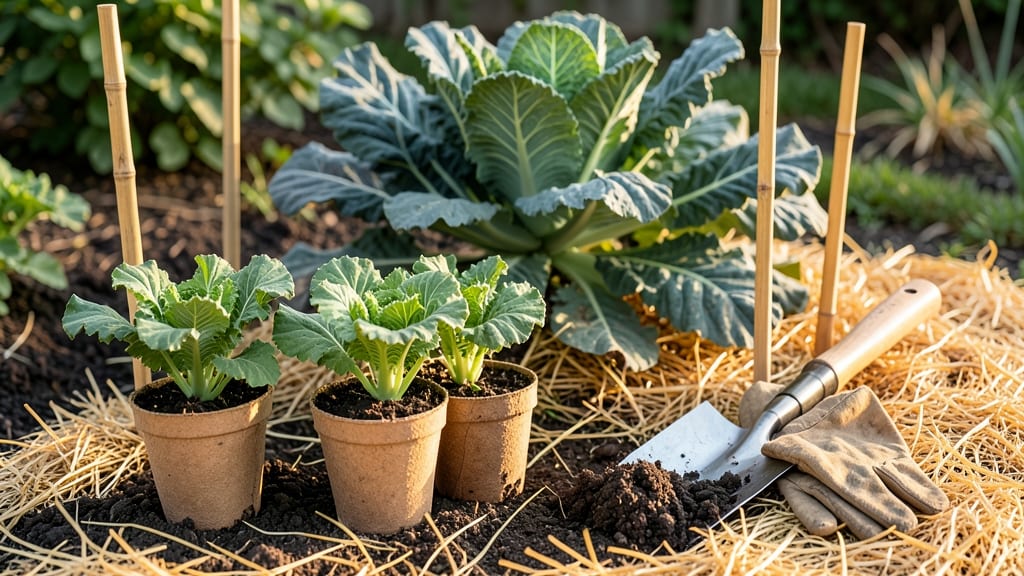
Timing your fall garden in South Texas could mean the difference between a thriving harvest and wasted effort—because planting too early risks bolting, while waiting too long means frost cuts your season short. The August-October window is your golden opportunity to beat the heat and enjoy crisp veggies straight from your garden.
Here’s the secret: South Texas’s 9a-10a climate demands heat-tolerant varieties and precise planting dates. Skip the guesswork and learn exactly when to sow each crop—from fast-growing greens to hardy root vegetables—to maximize your yield before winter arrives.
I’ll break down the ideal schedule so you can avoid common mistakes that derail fall gardens.
Whether you’re a seasoned gardener or just starting, these strategies will help you harvest until December (or until that first frost). We’ll cover soil prep, watering tricks, and which crops thrive in lingering summer heat—so you can enjoy fresh tomatoes, peppers, and greens long after summer fades.
Ready to turn your backyard into a fall harvest goldmine? Let’s dive into the exact planting calendar and pro tips that’ll keep your garden flourishing—no matter what South Texas throws your way.
South Texas fall planting calendar: exact start dates by heat-tolerant crop category
Timing is everything in South Texas fall gardening, where 90°F+ temperatures linger into September and first frost can sneak in by mid-December. The key? Planting heat-tolerant varieties early enough to mature before winter sets in—but not so early they bolt in the summer heat.
For USDA Zones 9a-10a, your fall planting window opens in mid-August and closes by late October, depending on the crop.
Most South Texas gardeners focus on fast-maturing crops like lettuce (30-45 days) and radishes (25-30 days), but don’t overlook heat-loving staples such as sweet potatoes, okra, and malabar spinach.
These can handle 95°F soil temps and still produce well into November. The trick is to stagger plantings every 2-3 weeks for a continuous harvest.
Here’s your month-by-month breakdown of ideal planting dates, organized by crop category. Use this as your fall garden roadmap to avoid common pitfalls like premature bolting or frost damage.
| Crop Category | Ideal Planting Window | Heat Tolerance | Days to Harvest | Critical Deadline |
|---|---|---|---|---|
| Leafy Greens (Lettuce, Spinach, Kale) | Mid-August - Early September | Moderate (bolt at 85°F+) | 30-60 days | October 15 (before hard frost) |
| Root Vegetables (Carrots, Radishes, Beets) | Late August - Mid-September | High (radishes tolerate heat) | 25-50 days | November 1 (before soil cools) |
| Heat-Loving Staples (Okra, Sweet Potatoes, Malabar Spinach) | Early August - Early September | Very High (thrive in 90°F+) | 90-120 days | December 1 (before frost) |
| Broccoli, Cauliflower, Cabbage | Late August - Mid-September | Moderate (slow in heat) | 60-90 days | October 31 (before bolting) |
| Herbs (Basil, Cilantro, Dill) | Mid-August - Late September | Low-Moderate (bolt easily) | 30-50 days | November 15 (before frost) |
Notice how okra and sweet potatoes have the latest deadlines? That’s because they thrive in heat and can handle 95°F soil temperatures—unlike lettuce, which bolts if soil temps exceed 80°F. For maximum yield, prioritize direct sowing over transplants, especially for heat-sensitive crops like cilantro and basil.
Pro tip: Use shade cloth (30-50%) over seedlings during peak afternoon heat (2 PM - 6 PM) to prevent wilting. This simple trick can extend your planting window by 2-3 weeks without sacrificing growth.
South Texas’s unpredictable rains can also throw off your schedule. Always check the 10-day forecast before planting seeds—soil should be warm and dry, not soggy. If heavy rains are forecasted, delay planting until the ground firms up to avoid seed rot or fungal diseases like damping-off.
For frost-sensitive crops like tomatoes and peppers, your last chance to plant is mid-September. Use row covers or cold frames to push harvests into early November. I’ve successfully grown ‘Celebrity’ tomatoes in South Texas until November 15 using black plastic mulch to retain soil heat.
Don’t forget succession planting! For crops like radishes (25 days) or bush beans (50 days), sow new seeds every 2 weeks to ensure a steady supply. This works especially well for green onions and lettuce, which can be harvested multiple times.
Finally, mark your calendar for October 15—this is your last call for frost-sensitive crops. After this date, even heat-tolerant varieties like collards and mustard greens will struggle if temperatures dip below 50°F at night.
Use row covers or move potted plants to a sunny garage or porch if frost is forecasted.
Top 5 heat-tolerant fall vegetables for South Texas (and how to extend their season)
South Texas’s late summer heat can turn fall gardening into a challenge—but with the right heat-tolerant varieties, you can beat the odds. These five powerhouse crops thrive in 90°F+ temps and push harvests well into December.
Let’s dive into my top picks and how to stretch their growing season for maximum yield.
First up: okra. This Southern staple handles intense heat like a champ, with varieties like 'Clemson Spineless' maturing in just 50-60 days. Plant seeds directly in soil in late July to early August, spacing them 12-18 inches apart.
Okra’s secret weapon? Its deep taproot thrives in dry conditions, so water only when soil is bone-dry.
Next, sweet potatoes like 'Beauregard' or 'Georgia Jet' love the heat and produce sweet, starchy tubers even as temps drop. Start slips (young plants) in mid-August and give them full sun and loose, sandy soil.
Mulch heavily with straw or black plastic to keep roots warm and extend harvests until November or December.
🌱 Heat-Tolerant Fall Crops: Pros & Cons
Okra
✅ Thrives in heat
✅ Fast-growing
❌ Needs space
❌ Pests attract
Sweet Potatoes
✅ Drought-tolerant
✅ Extends season
❌ Slow to mature
❌ Needs loose soil
Malabar Spinach
✅ Heat-loving
✅ Fast harvest
❌ Not true spinach
❌ Needs support
Amaranth
✅ Edible greens/seeds
✅ Drought-resistant
❌ Attracts birds
❌ Needs rich soil
Cowpeas
✅ Nitrogen-fixing
✅ Prolonged harvest
❌ Needs trellis
❌ Slow to start
For leafy greens, Malabar spinach (not true spinach!) is a game-changer. This tropical vine stays crisp in 95°F+ temps and produces harvestable leaves in just 45 days.
Plant seeds in late August and train vines on a trellis or fence to save space. Harvest outer leaves first to encourage continuous growth.
Don’t overlook amaranth, another heat-lover that gives you both greens and edible seeds. Varieties like 'Red Garnet' mature in 50-60 days and handle poor soil better than most crops.
Direct-sow in mid-August and watch it thrive even as nights cool. To extend harvests, mulch with straw and protect from early frosts with row covers.
Finally, cowpeas (like 'Purple Hull') are a Southern favorite for their ability to fix nitrogen in the soil while producing tender pods. Plant seeds in late July to early August and give them a trellis or bush support.
Their long harvest window (September through November) makes them a staple for fall gardens.
Pro tip: Pair these crops with companion plants like basil or marigolds to deter pests and improve flavor. And always water deeply in the morning to reduce stress from heat and evaporation. With these heat-tolerant stars, your South Texas fall garden will be bountiful until the first frost! 🌱