
Plants
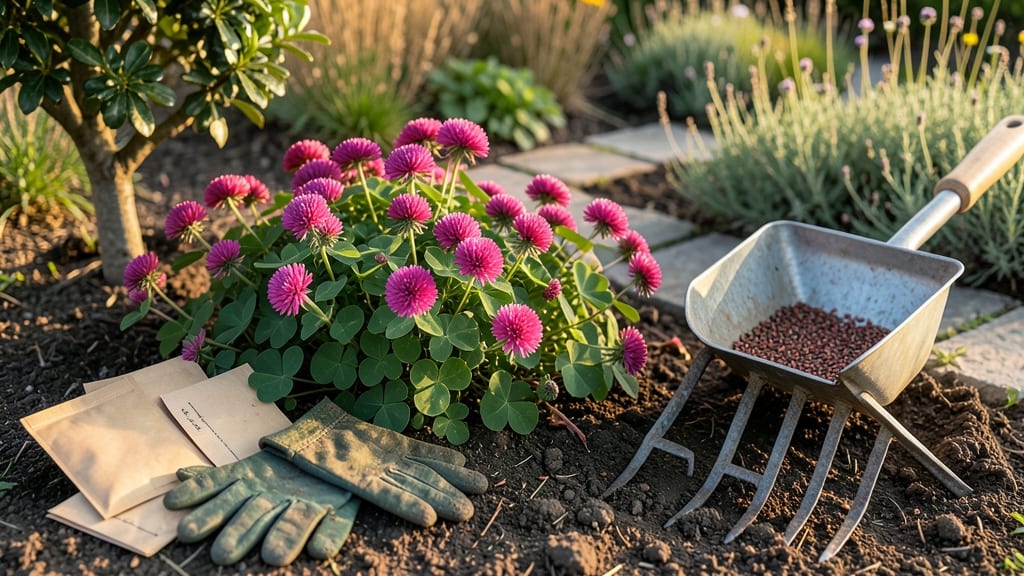
Timing your crimson clover planting in NC could make or break your soil health goals—because this little 🌱 powerhouse thrives when planted just right. Whether you're aiming for winter protection, spring forage, or pollinator support, getting the window wrong means wasted seeds and missed benefits.
North Carolina's 6b-8a zones give you two prime chances: late summer through early fall (August-October) or early spring (February-March). But here's the catch—fall plantings need to establish roots before frost, while spring plantings must beat summer heat.
Let's break down which approach works best for your specific NC region and goals.
Why does this matter? Crimson clover isn't just pretty—it fixes nitrogen, prevents erosion, and feeds pollinators. But plant it too early, and summer heat will fry your seeds. Too late, and winter frost will kill it before it does its job.
I'll show you exactly when to plant for maximum impact in Piedmont, Coastal Plain, and Mountain regions.
Ready to transform your soil? Let's dive into the perfect planting windows that'll have your crimson clover thriving when you need it most—whether that's winter protection or spring forage. The right timing could save you money, improve your soil, and even boost your garden's pollinator population.
Optimal fall planting windows for crimson clover in NC: soil prep & winter hardiness
Fall planting is the gold standard for crimson clover in North Carolina because it establishes roots before winter while avoiding summer heat stress. The key window spans late August through early October, but exact timing depends on your region's microclimate and soil temperatures.
In NC's USDA zones 6b-8a, this means planting 6-8 weeks before your area's average first frost (typically mid-November).
For Coastal Plain gardeners (zones 7b-8a), aim for mid-September plantings to ensure strong root growth before winter. Meanwhile, Piedmont growers (zone 7a) should plant by early October to avoid early frosts. Mountain regions (zone 6b) have the shortest window—late August to mid-September—due to colder winters.
Soil temperature is critical: crimson clover germinates best when soil reaches 60-70°F. Use a soil thermometer to monitor—wait until daytime temps consistently hit 65°F+ before sowing. In NC's humid climate, late summer heat can stress seedlings, so planting too early risks poor establishment.
Before sowing, prepare your seedbed by tilling 2-3 inches deep to loosen compacted soil. Crimson clover thrives in well-draining soil with a pH of 5.8-7.0. If your soil is heavy clay, mix in compost or sand to improve aeration.
A light pre-plant fertilizer (5-10-10) can boost early growth, but avoid high-nitrogen blends.
The ideal fall planting depth is 1/4 to 1/2 inch. Use a broadcast spreader for even coverage, then lightly rake seeds into the soil. Press them gently with a board to ensure seed-to-soil contact, which is crucial for germination in NC's variable fall rains.
Water immediately after planting to settle seeds and maintain consistent moisture until germination (typically 7-14 days).
Once established, crimson clover will overwinter beautifully in NC, providing living mulch that suppresses weeds and prevents erosion. Its deep roots also break up compacted soil, making spring tillage easier. In early spring, the clover will rebound quickly, offering early forage for pollinators and livestock.
For maximum winter hardiness, choose late September plantings in most of NC. This timing allows roots to establish before hard frosts while giving the clover time to bloom in spring. In colder mountain regions, early September plantings are safer to avoid frost damage.
Always check your local NC State Extension office for frost date updates—they’re your best resource for region-specific advice.
Pro tip: If you're planting crimson clover for pollinator support, aim for a fall-to-spring timeline that ensures blooms appear by late winter. The earlier it establishes, the sooner it’ll flower and feed bees when other plants are still dormant.
In NC, this means September plantings are ideal for spring pollinator benefits.
After planting, monitor for weed competition—crimson clover grows slowly at first. Use mulch or straw to suppress weeds without smothering the seedlings. Avoid herbicides, as they’ll kill your clover too.
With proper timing and care, your fall-planted crimson clover will thrive through winter and reward you with lush green growth by spring.
🌱
🌱 NC Region Planting Guide
| Region | USDA Zone | Best Planting Window | Soil Temp Goal | Key Consideration |
|---|---|---|---|---|
| Coastal Plain | 7b-8a | Mid-September (8/15-9/15) | 65-70°F | Longer growing season; watch for hurricane delays |
| Piedmont | 7a | Early October (8/20-10/5) | 60-65°F | Moderate frost risk; soil prep critical |
| Mountains | 6b | Late August (8/10-9/10) | 55-60°F | Earlier frosts; shorter window |
🌿 Note: Adjust dates 1-2 weeks earlier for higher elevations or northern NC.
For gardeners in southern NC (zones 8a-8b), you can push plantings slightly later—even into early November—if your winters are mild. However, avoid planting after mid-October in most of the state, as seedlings may not establish strong enough roots before winter.
Always prioritize soil temperature over calendar dates—your thermometer is your best friend!
One final tip: If you're planting crimson clover for soil improvement, consider mixing it with ryegrass or winter vetch for a multi-species cover crop. This combo provides year-round ground cover, reduces erosion, and improves soil structure even more effectively.
Just be sure to mow or till the clover before it goes to seed in late spring to prevent it from becoming a perennial weed.
With the right timing and care, your fall-planted crimson clover will transform your NC garden—adding beauty, boosting soil health, and even supporting pollinators when spring arrives. Happy planting! 🌸
Optimal fall planting windows for crimson clover in NC: soil prep & winter hardiness
Fall planting is the gold standard for crimson clover in NC because it establishes roots before winter, giving you early spring forage and soil protection. The key? Planting 6-8 weeks before your first frost—typically mid-August to early October—when soil temps drop below 85°F but stay above 60°F for germination.
North Carolina’s three distinct regions (Coastal Plain, Piedmont, Mountains) have different frost dates, so adjust accordingly. For example, Mountain regions (Zone 6b) can plant as late as September 15, while Coastal Plain (Zone 8a) should aim for early September to avoid summer heat stress.
Here’s how to maximize success: Test soil pH (6.0-7.0), till lightly to 1-2 inches deep, and eliminate competing weeds. Crimson clover thrives in well-draining soil but struggles in waterlogged areas—amend clay soils with compost if needed.
| Region | Ideal Planting Window | Soil Temp Threshold | Key Consideration |
|---|---|---|---|
| Coastal Plain (Zone 8a) | Early September (Aug 20 - Sep 15) | 60-75°F | Humidity risks fungal diseases; use fungicide if needed. |
| Piedmont (Zone 7b) | Mid-September (Sep 1 - Oct 5) | 60-70°F | Balanced climate; ideal for winter hardiness. |
| Mountains (Zone 6b) | Late September (Sep 15 - Oct 10) | 55-65°F | Shorter growing season; plant closer to frost dates. |
After planting, keep soil moist but not soggy—aim for 1 inch of water per week. Once established, crimson clover fixes nitrogen and suppresses weeds, reducing your spring workload.
For maximum winter survival, avoid planting after October 15 in most NC zones, as seedlings won’t have time to root deeply before frost.
Pro tip: If you’re using crimson clover for pollinator support, plant in sunny, open areas where bees and butterflies can access the flowers. The earlier it blooms in spring, the more it benefits your garden’s ecosystem.
Remember, fall plantings reward patience—they’ll give you lush green cover by spring and reduced erosion risks during winter rains. Don’t rush; the right timing now saves you effort (and money) later. 🌱