
Plants
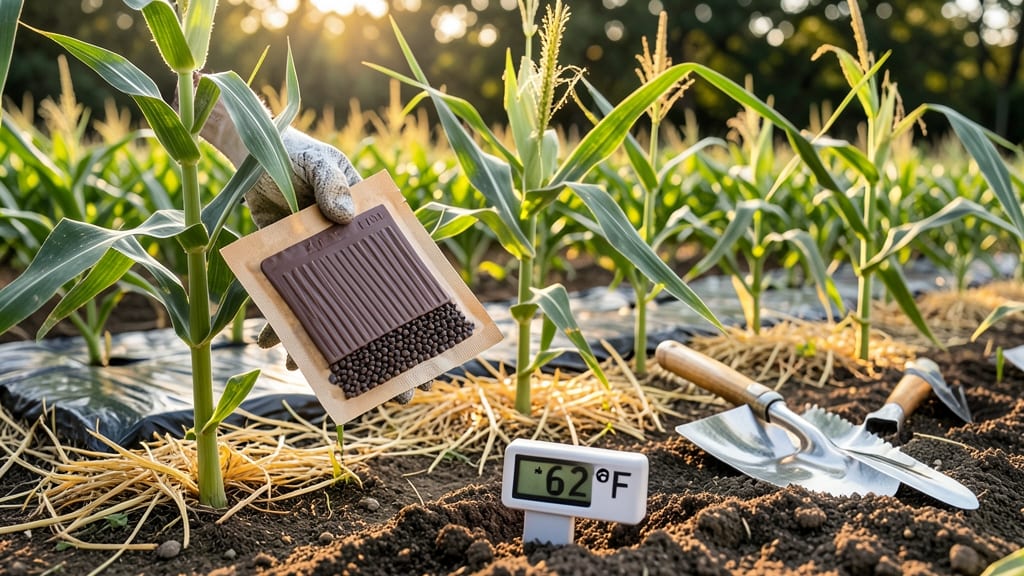
If you're growing corn in New Jersey, when to plant corn in New Jersey is the key to avoiding frost damage and maximizing your harvest. The perfect planting window in USDA Zone 6B can mean the difference between sweet, plump kernels and disappointing ears.
Corn thrives when planted after the last frost, typically between mid-April and early May in most parts of the state. Soil temperatures should be consistently above 50°F—cold soil slows germination and weakens young plants. Waiting for these conditions ensures strong roots and better yields.
I’ll walk you through the exact dates, soil prep tips, and variety choices that work best in New Jersey’s climate. Whether you’re a beginner or a seasoned gardener, these insights will help you plan for a successful corn harvest from summer through fall.
Let’s dive into the best practices so you can enjoy homegrown corn at its peak—without the common mistakes that ruin harvests.
Optimal corn planting dates in New Jersey’s USDA Zone 6B
Timing your corn planting in New Jersey’s USDA Zone 6B means balancing soil warmth, frost risk, and variety maturity.
The state’s average last frost date falls between April 15 and May 1, but soil temperature is the true indicator—corn thrives when soil reaches 60°F (15°C) at least 1 inch deep.
Most sweet corn varieties need 75-90 days to mature, while dent corn and popcorn can stretch to 100+ days. Planting too early risks cold soil stunting or frost damage, while late planting may leave you with underdeveloped ears before winter.
Here’s how to pinpoint your ideal planting window based on your corn variety and local microclimate:
| Planting Window | Soil Temp Requirement | Frost Risk | Best Varieties | Harvest Window |
|---|---|---|---|---|
| Early April (Risky) | 55-60°F (13-15°C) | High (late frosts) | Early varieties (e.g., 'Silver Queen') | Late June - Early July |
| Mid-April to Early May (Ideal) | 60-65°F (15-18°C) | Low (after last frost) | Mid-season (e.g., 'Peaches and Cream') | July - August |
| Late May (Extended Season) | 65°F+ (18°C+) | Moderate (early frosts) | Late varieties (e.g., 'Bodacious') | September - October |
*Use row covers for late plantings to extend the season by 2-3 weeks.
For southern NJ (Atlantic City area), aim for April 15-May 1—warmer microclimates allow earlier starts. In northern NJ (Sussex County), wait until May 1-15 to avoid frost. Check the NJ State Climate Office for your local frost dates each year.
Pro tip: Plant 3-4 varieties staggered by 7-10 days to ensure a continuous harvest. For example, start with 'Early Sunglow' (65 days) in late April, followed by 'Golden Bantam' (70 days) in early May.
If your soil stays below 60°F past May 15, consider container growing or a greenhouse to warm the soil faster. Corn roots struggle in cold soil, leading to poor germination or stunted growth.
Always test your soil’s pH (6.0-7.0 ideal) and add compost or aged manure before planting. Corn is a heavy feeder, so phosphorus-rich fertilizer (like 5-10-10) at planting time boosts early root development.
Remember: Corn needs consistent warmth to pollinate properly. If nights dip below 50°F (10°C) after tasseling (when pollen forms), you’ll see bare ears—a classic sign of poor pollination.
For real-time updates, follow @NJAgWeather on Twitter or consult the Rutgers Cooperative Extension for county-specific advice. Their free soil thermometers can help you track warmth trends.
How to adjust planting time for corn varieties and soil conditions
Not all corn varieties thrive on the same schedule in New Jersey’s USDA Zone 6B. Fast-maturing sweet corn (like 'Silver Queen' or 'Peaches and Cream') needs only 60-70 days to harvest, while slower varieties like dent corn or popcorn may take 90-110 days.
Plant early-maturing types first—around April 15–May 1—to stretch your harvest season.
Soil temperature is just as critical as calendar dates. Corn seeds won’t germinate well below 50°F. Use a soil thermometer to confirm warmth before planting. In cooler northern NJ areas (like Sussex County), wait until late May for slower varieties.
Southern NJ (like Cape May) can start as early as mid-April.
Amending your soil with compost or aged manure speeds up warming and improves drainage. Aim for a pH between 6.0–7.0—corn is sensitive to acidic soils. A quick test kit makes this easy. If your soil is slow to warm, consider black plastic mulch to raise temperatures by 5–10°F.
For late-season planting, use row covers to extend the growing window. Remove them during pollination (when tassels appear) to allow cross-pollination. If frost threatens before harvest, cover plants with frost cloth at night. This trick adds 2–3 extra weeks of growing time for slower varieties.
Always plant in blocks, not rows, to ensure proper pollination. A 4x4-foot block of 12–16 plants works best. This setup maximizes wind pollination and reduces the risk of poor ear development. Mark your calendar for June 15–July 15 as the peak pollination window in NJ.
Adjust your planting schedule based on your local microclimate. Coastal areas (like Atlantic City) stay warmer longer, while inland regions (like Morris County) may need a later start. Check the NJ Agricultural Experiment Station for updated frost forecasts each year.