
Plants
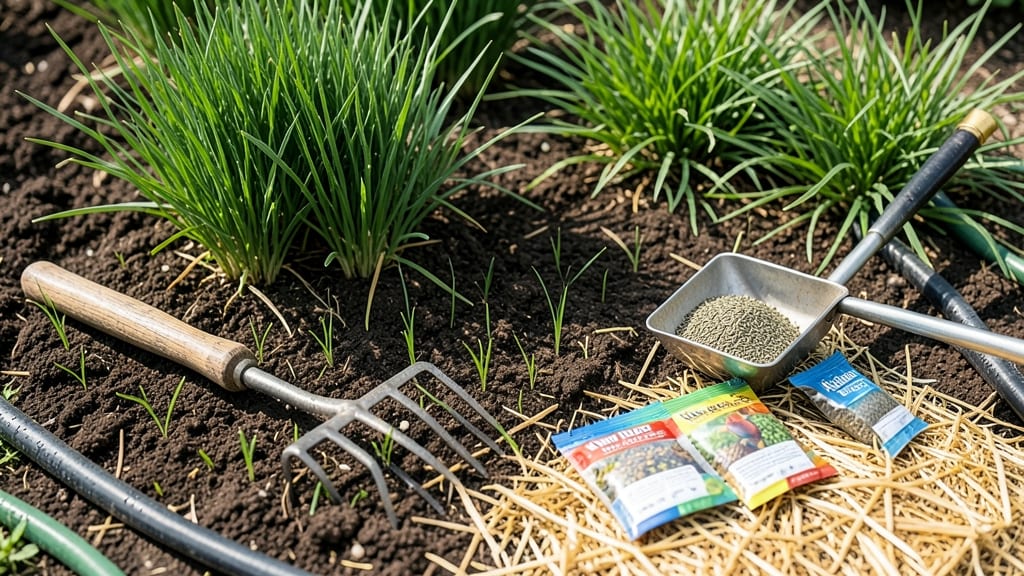
Timing your grass seed planting in New Jersey wrong could mean watching your hard work melt away with the first frost—or bake under summer’s scorching sun.
The difference between a lush, green lawn and a patchy disappointment often comes down to knowing exactly when soil temperatures hit that 50°F-65°F sweet spot.
Let’s cut through the guesswork. Whether you’re in USDA zones 6a-7a or dealing with New Jersey’s famously variable weather, I’ll show you the precise frost-free windows and soil temp tricks that work for your county. No more waiting too late in spring or planting too early when winter sneaks back.
You’ll discover why early spring and fall are your best bets, how to prep soil for maximum germination, and which grass types thrive in your corner of the state. Skip the trial-and-error—this is how you get a lawn that stays green year after year.
Ready to plant with confidence? Let’s dive into the exact steps that’ll have your 🌱 turfgrass looking like a pro’s by next summer.
Optimal soil temperature and frost-free dates for NJ grass seed planting by county
New Jersey’s USDA hardiness zones 6a-7a create a delicate balance for grass seed planting—too early, and frost kills tender sprouts; too late, and summer heat stresses young roots. The ideal soil temperature range is 50°F–65°F, but this varies by county due to microclimates.
Northern counties like Bergen and Passaic typically plant 2-3 weeks later than southern counties like Cape May and Atlantic.
Spring planting in March–April is your safest bet, but timing depends on when the ground warms consistently above 50°F. Fall planting in September–October works too, as long as seeds germinate 4-6 weeks before first frost.
Check your county’s average last frost date—most of NJ sees frost until mid-October, but coastal areas hold warmth longer.
Here’s how to align your planting with soil temps and frost-free windows by county, including the best 30-day windows for each region:
| County | USDA Zone | Last Frost (Avg) | First Frost (Avg) | Ideal Soil Temp | Best Planting Window |
|---|---|---|---|---|---|
| Bergen, Passaic, Hudson | 6a | April 15–20 | October 10–15 | 50°F–60°F | March 20–April 15 or Sept 1–Sept 20 |
| Middlesex, Monmouth, Ocean | 6b | April 10–15 | October 15–20 | 50°F–62°F | March 15–April 10 or Sept 5–Sept 25 |
| Burlington, Camden, Gloucester | 7a | April 5–10 | October 20–25 | 55°F–65°F | March 10–April 5 or Sept 10–Oct 5 |
| Atlantic, Cape May | 7b | March 30–April 5 | October 25–Nov 1 | 55°F–68°F | March 5–April 10 or Sept 15–Oct 10 |
Source: NJ State Climate Office, 2023 averages
Use a soil thermometer to confirm temps before planting—surface temps can be misleading. Dig 2 inches deep where you’ll seed; this is where roots will first establish. If your soil is below 50°F in spring or above 70°F in fall, wait another week or two.
Coastal areas like Cape May can handle slightly warmer soil, but inland counties like Sussex need cooler temps to avoid stress.
Pro tip: Overseeding in fall (Sept–Oct) often yields better results than spring planting in NJ. Cooler temps reduce weed competition, and roots strengthen before winter. Just ensure seeds germinate 6 weeks before first frost—or risk weak growth next spring.
For northern NJ counties, aim for March 20–April 15 in spring or Sept 1–Sept 20 in fall. Southern counties can start 2 weeks earlier in spring and push into early October in fall. Always check a 7-day forecast for rain—dry spells can delay germination.
If you’re in zone 6a (e.g., Bergen County), avoid planting before April 1—even if soil feels warm, nighttime temps can dip into the 30s°F, killing new shoots. Use lightweight row covers if you must plant earlier, but remove them once seeds sp
Best grass seed types for New Jersey’s climate and when to plant them
Choosing the right grass seed type for your New Jersey lawn is half the battle—especially since the state spans USDA zones 6a-7a with dramatic temperature swings.
Cool-season grasses thrive in northern counties, while warm-season varieties hold their own in southern regions. Let’s match your yard to the perfect seed and timing.
For most of New Jersey, cool-season grasses like Kentucky bluegrass and tall fescue are the gold standard. These varieties germinate quickly in 50°F-65°F soil, making them ideal for spring (March-April) and fall (September-October) planting.
Southern counties like Atlantic or Cape May can also plant warm-season grasses like Bermuda or Zoysia in late spring (May-June) for drought resistance.
🌱
| Grass Type | Best for NJ Region | Planting Window | Key Traits |
|---|---|---|---|
| Kentucky Bluegrass | Northern NJ (Bergen, Passaic) | March-April, Sept-Oct | Cold-hardy, spreads aggressively, needs regular mowing |
| Tall Fescue | All regions (shade-tolerant) | March-April, Sept-Oct | Drought-resistant, deep roots, low maintenance |
| Bermuda | Southern NJ (Cape May, Atlantic) | May-June (warm soil) | Heat/drought-tolerant, goes dormant in winter |
| Zoysia | Central/Southern NJ | May-June | Slow-growing, shade-tolerant, stays green late |
If your lawn gets partial shade, mix tall fescue with fine fescue for a tougher blend. For sandy soils (common in coastal areas), opt for Bermuda or Zoysia—they handle poor drainage better than Kentucky bluegrass.
Pro tip: Test your soil’s pH (ideal range: 6.0-7.0) before planting, as alkaline soils (common in northern NJ) can stunt grass growth.
Timing matters just as much as seed choice. Fall planting (September-October) gives grass roots time to establish before winter, while spring planting (March-April) avoids summer heat stress. In southern NJ, warm-season grasses need soil temps above 65°F—wait until late May to avoid frost damage.
For new lawns, aim for 80-90% coverage by late summer. If you’re overseeding an existing lawn, late summer (August) is ideal—it fills bare spots before winter. Just remember: Water daily for 2-3 weeks after planting, keeping soil consistently moist (not soggy) to prevent fungal issues.
🌿