
Plants
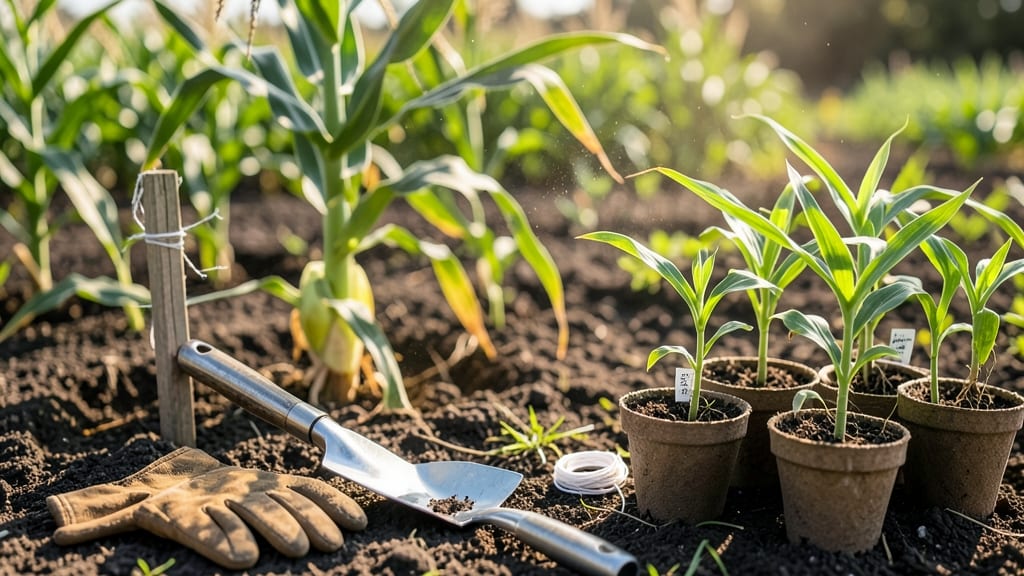
Timing your 🌽 corn planting in New York isn't just about tossing seeds into the dirt—it's the difference between a bumper crop and a sad, wilted disappointment.
With frost dates sneaking up faster than you think, getting those kernels in the ground at the right moment means the difference between sweet, plump ears and tough, starchy failures.
Most New York gardeners in Zone 6a know the struggle: plant too early, and a late frost will turn your tender seedlings into sad, crispy snacks. Wait too long, and you might miss the 165 frost-free days needed for corn to mature properly.
The ideal window—mid-April to early May—isn't just a suggestion; it's your golden ticket to a summer full of corn on the cob.
But here's the thing: not all corn is created equal. Some varieties mature in just 60 days, while others need nearly 120 to reach their full potential.
Whether you're growing sweet corn for dinner or field corn for livestock, picking the right type for your zone is just as critical as the timing. Let's break down exactly when—and how—to plant for the best results in your backyard.
Beyond the calendar, soil temperature and regional microclimates play a huge role. Upstate New York might have a different frost date than Long Island, and your backyard could be warmer or cooler than the average.
I'll show you how to read the signs, adjust your planting schedule, and even extend your growing season with simple tricks. Ready to grow corn like a pro?
New York frost dates by Zone: exact corn planting windows for Zones 5-7
New York’s diverse climate—spanning USDA Zones 5-7—means your corn planting window can vary by 10 days or more depending on location. Upstate regions like Syracuse (Zone 5) face later last-frost dates than Long Island (Zone 7), while the Adirondacks often experience microclimates with delayed warming.
Understanding these patterns helps you avoid frost damage while maximizing harvest potential.
For Zone 5 (northern NY), the average last frost date falls around May 15, with a first frost typically arriving by October 10.
In Zone 6 (central NY), expect April 25-May 10 for last frost and October 15 for first frost. Zone 7 (southern NY) enjoys an extended season, with last frosts by April 15 and first frosts around October 25.
Corn needs 90-120 frost-free days to mature, so planting too late risks stunted ears. Use these NOAA climate averages as your baseline, but always check local weather forecasts—especially in microclimates like valleys or coastal areas where frost patterns differ.
| Zone | Last Frost Date | First Frost Date | Ideal Planting Window | Frost-Free Days |
|---|---|---|---|---|
| Zone 5 (e.g., Buffalo, Syracuse) | May 15 | October 10 | May 1–May 15 | 145–150 days |
| Zone 6 (e.g., Albany, Rochester) | April 25–May 10 | October 15 | April 25–May 10 | 160–165 days |
| Zone 7 (e.g., NYC, Long Island) | April 15 | October 25 | April 15–April 30 | 180–190 days |
*Adjust for microclimates: Plant 1–2 weeks later in cold pockets like the Adirondacks.
To refine your planting schedule, monitor soil temperature—corn seeds won’t germinate below 60°F. Use a soil thermometer to confirm readiness. In Zone 5, wait until May 1 even if frost dates suggest earlier planting; cold soils delay germination and invite soil-borne diseases.
For Zone 7 gardeners, you can push the envelope with early April plantings if you use black plastic mulch to warm the soil.
However, avoid planting before April 1 unless you’re using a high tunnel or cold frame—young corn is extremely frost-sensitive and will bolt or die if temperatures dip below 32°F.
Pro tip: Succession planting in Zone 6-7 can stretch your harvest. Plant a second batch 2 weeks after the first if your season runs long. For Zone 5, stick to one planting to ensure maturity before frost. Always choose fast-maturing varieties (see next section) to hedge against late-season risks.
If you’re in a transition zone (e.g., Hudson Valley between Zones 6 and 7), err on the side of later planting—even a few extra days of warmth can make the difference between plump ears and stunted growth.
Use row covers in early spring to jumpstart germination if you’re eager to plant sooner.
Remember: Corn is wind-pollinated, so plant in blocks (not rows) to ensure cross-pollination. A 4’ x 4’ plot is the minimum for reliable yields. In windy NY regions, consider trellising taller varieties to prevent lodging.
Finally, track your local frost history for 3 years to spot patterns. Websites like Cornell Cooperative Extension or NOAA’s Climate Normals provide hyper-local data. Adjust your schedule yearly—climate change is shifting frost dates in NY, with some areas seeing earlier springs and others experiencing delayed warming. Stay flexible!
Best corn varieties for New York’s short season: fast-maturing types that thrive in Zones 5-7
New York’s short growing season demands corn varieties that mature quickly while still delivering sweet, flavorful ears. With only about 165 frost-free days in most zones, you need varieties that reach harvest in 60-90 days.
The good news? Many early-maturing hybrids perform exceptionally well in our climate, provided you plant them at the right time.
When selecting varieties, prioritize those labeled as short-season or early-maturing. These types are bred to handle cooler temperatures and still produce plump, tender kernels. Some also offer disease resistance, which is crucial in New York’s humid summers.
Let’s explore the top 5 varieties that consistently deliver for gardeners in Zones 5-7.
🌽 Early Sunglow (65-70 days) is a crowd favorite for its exceptional sweetness and bright yellow kernels. This variety thrives in cooler temperatures and is less prone to ear rot, making it ideal for Upstate regions. Its compact stature (5-6 feet) also works well in smaller gardens.
| Variety | Days to Maturity | Best For | Disease Resistance | Height (ft) |
|---|---|---|---|---|
| Early Sunglow | 65-70 | Sweetness, cool weather | Ear rot | 5-6 |
| Silver Queen | 70-75 | Classic white kernels | Blight | 6-7 |
| Bodacious | 65-70 | Super sweet, high yield | Rust | 6-7 |
| Peaches and Cream | 75-80 | Bicolor kernels | Mold | 7-8 |
| Ambrosia | 70-75 | Sweet, creamy texture | Blight & rust | 6-7 |
For gardeners in Zone 5, where frost dates are earlier, Bodacious and Early Sunglow are my top picks due to their 65-70 day maturity. These varieties can often be planted as early as late April and still reach harvest before the first frost in October.
Meanwhile, Silver Queen is a great choice for Zone 7 gardeners who want a slightly longer season to enjoy its classic white kernels.
If you’re growing corn for livestock or seed, consider field corn varieties like Pioneer Brand 39T03, which matures in 85-90 days and handles New York’s humidity better than many sweet corn types.
However, these won’t produce the same tender, sweet ears as their edible counterparts. Always check seed packets for maturity zone recommendations to avoid disappointment.
Pro tip: Plant at least two varieties with different maturity dates to stagger your harvest. This way, you’ll have fresh ears for weeks instead of a single 2-week window of peak production.
Pair an early variety like Early Sunglow (65 days) with a slightly later one like Ambrosia (75 days) for a continuous supply of corn on the cob all summer long.