
Plants
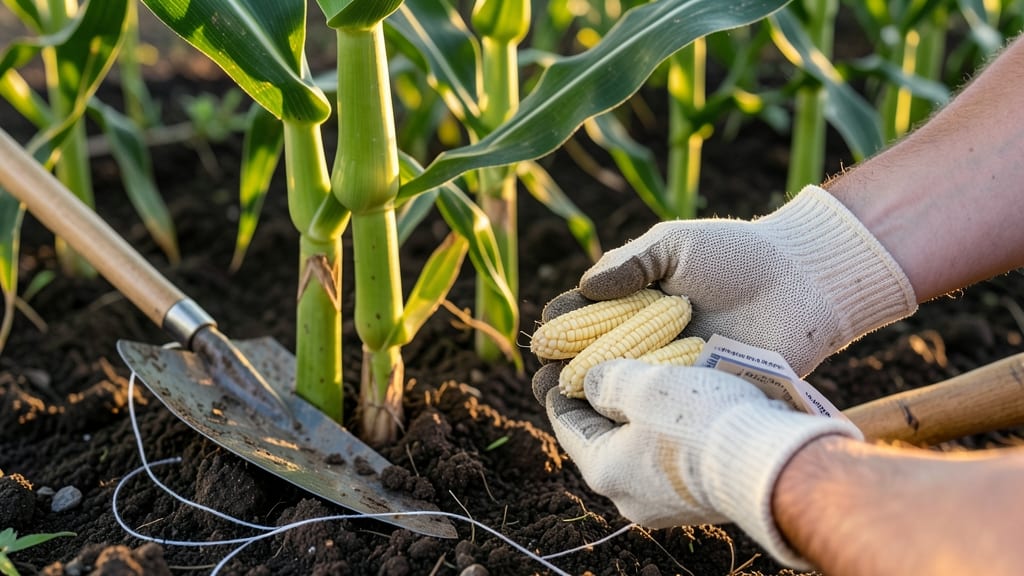
Timing your corn planting in Illinois can mean the difference between a bumper crop and a disappointing harvest—getting it wrong risks frost or drought ruining your hard work before the season even begins.
With USDA zones 5a-6b spanning from Chicago to St. Louis, the ideal window stretches from mid-April to early June, but exact dates depend on your location and last frost predictions.
Why does this matter? Corn thrives when soil temperatures hit at least 60°F, and planting too early exposes tender seedlings to frost damage. Meanwhile, waiting too long can shorten the growing season, especially in Northern Illinois where summers are shorter.
The key is balancing these factors with your local climate patterns.
In this guide, I’ll break down the exact planting deadlines by zone, soil prep tips to speed up warming, and how to choose varieties that match your region’s growing season.
Whether you’re a backyard gardener in Springfield or a farmer near Decatur, these insights will help you maximize your 🌽 corn yields.
You’ll also discover how succession planting can stretch your harvest window and which fast-maturing varieties perform best in Illinois’ unpredictable weather. Let’s get your corn off to the right start!
Illinois corn planting deadlines by hardiness zone: exact dates for frost-free success
Planting corn in Illinois requires precision—miss the window, and you risk losing your crop to late frosts or drought stress. The state spans USDA Zones 5a-6b, meaning planting deadlines vary by region.
Northern Illinois (e.g., Chicago) has earlier last frost dates than Southern Illinois (e.g., St. Louis), so adjust your schedule accordingly.
For peak yields, aim to plant when soil temperatures reach at least 60°F and after the average last frost date. In most of Illinois, this falls between mid-April and early June, but exact timing depends on your zone.
Below, I’ve broken down zone-specific deadlines to help you plan with confidence.
🌱 Key Rule: Corn is not frost-tolerant. Even a light freeze after germination can kill seedlings. Always wait until all danger of frost has passed—typically 2-3 weeks after the last average frost date.
| Zone | Last Frost Date (Avg.) | Safe Planting Window | Soil Temp Threshold | Notes |
|---|---|---|---|---|
| Northern IL (Chicago, Zone 5b-6a) | Mid-April | Late April to early May | 60°F+ | Cooler soils; use black plastic mulch to warm soil faster. |
| Central IL (Springfield, Zone 6a) | Early April | Early April to mid-May | 60°F+ | Moderate climate; ideal for early varieties. |
| Southern IL (St. Louis, Zone 6b) | Late March | Late March to early June | 60°F+ | Longer growing season; great for late varieties. |
If you’re in Northern Illinois, don’t wait past early May—corn planted after this date may not mature before the first frost (typically mid-October). In Southern Illinois, you have more flexibility, but early June plantings risk drought stress during tasseling (a critical growth stage).
For succession planting (to extend harvests), sow short-season varieties every 2 weeks until mid-June. This ensures a steady supply of fresh ears. Just remember: Corn needs 60-120 days to mature, depending on the variety, so time your last planting to finish before frost.
Pro tip: Use a soil thermometer to confirm temperatures. Corn seeds won’t germinate well below 50°F, and 60°F+ is ideal. If your soil is still cold, consider black plastic mulch or a cold frame to speed up warming.
One common mistake? Planting too early in Northern Illinois and hitting a late frost. Always check your local Almanac’s frost predictions or use the National Weather Service’s 10-day forecast. When in doubt, wait an extra week—your corn will thank you with bigger ears and better yields!
For drought-prone areas (like Western Illinois), prioritize drought-tolerant varieties and deep watering during dry spells. A 1-2 inch watering every 2-3 days keeps roots happy without wasting resources.
Finally, if you’re transplanting (rare for corn, but possible with young seedlings), do it only after hardening off and when soil is warm and moist. Direct sowing is always better for corn, but if you’re starting indoors, transplant no later than mid-May in Northern zones.
How to adjust corn planting for Illinois weather patterns: avoiding frost and drought risks
Illinois' unpredictable weather—from late spring frosts to summer droughts—can turn your corn dreams into disappointment if you're not prepared. Knowing how to adjust your planting schedule based on local conditions is the key to a successful harvest.
For example, northern Illinois often faces earlier frosts than southern regions, so timing matters more there.
One of the biggest risks is planting too early when soil temperatures dip below 50°F. Corn seeds won’t germinate properly in cold soil, leading to poor stands. Use a soil thermometer to confirm temperatures are consistently above 60°F before planting—this is critical for fast, even germination.
Here’s how I adapt my planting strategy to Illinois’ variable climate:
⚠️ Late Planting Risks
Planting after May 15 increases the risk of ear rot and immature harvests before frost. In 2020, late plantings in northern Illinois resulted in 30% lower yields due to early autumn frosts.
To extend your planting window, consider black plastic mulch or row covers to warm the soil faster. These methods can push your planting date back by 1-2 weeks in cooler zones like Chicago (Zone 5b).
For drought-prone areas, choose drought-tolerant varieties like 'Silver Queen' or 'Peaches and Cream', which mature faster and handle dry spells better.
Another trick I use is succession planting—sowing corn every 2 weeks from early April to mid-May. This ensures a staggered harvest and reduces the impact of unexpected frost or drought on your entire crop.
For example, if the first planting fails due to cold soil, the second batch might still thrive.
Monitor local NOAA frost forecasts and adjust your schedule accordingly. In southern Illinois (Zone 6b), you might safely plant until June 1, while northern areas should wrap up by May 15. Always have a backup plan—like a greenhouse or cold frame—for seedlings if late frosts threaten.
Finally, water deeply during pollination (when tassels appear) to prevent ear blight. A 1-inch watering every 3-4 days keeps roots healthy and supports kernel development. With these adjustments, you’ll beat Illinois’ weather and enjoy a bountiful corn harvest! 🌽