
Plants
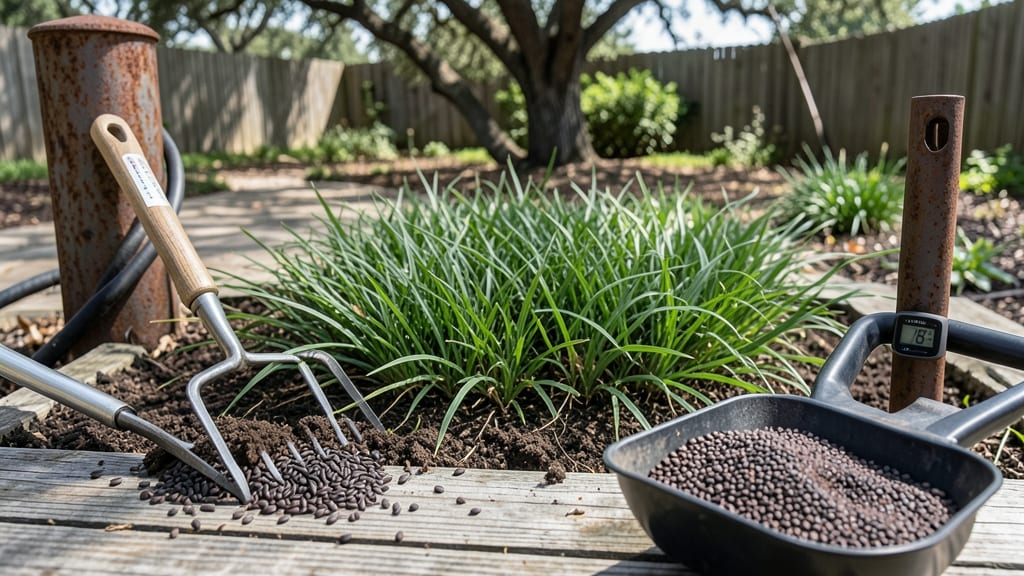
If you're dreaming of a lush, green lawn in Georgia but struggling with thin patches of Bermuda grass 🌱, knowing when to plant Bermuda grass seed in Georgia could be the missing piece.
Planting at the wrong time—like during unpredictable spring rains or when soil is still too cool—often leads to weak germination and wasted effort.
For Georgia’s climate zones 7a-8b, the perfect window isn’t just about the calendar—it’s about soil warmth and rainfall patterns.
Whether you’re in North Georgia’s cooler hills or South Georgia’s hotter plains, planting too early risks cold soil, while waiting too long can mean missed opportunities for strong root growth before winter.
In this guide, I’ll break down the ideal planting periods—spring and late summer—along with soil temperature thresholds and moisture tips to ensure your Bermuda grass thrives. You’ll also discover how to avoid common mistakes that even experienced gardeners overlook.
Ready to transform your lawn? Let’s dive into the science-backed strategies that will help your Bermuda grass take root and stay vibrant all season long.
Optimal planting windows for Georgia Bermuda grass seed based on soil temperature
Timing your Bermuda grass seed planting in Georgia isn’t just about the calendar—it’s about soil temperature. This warm-season grass thrives when soil reaches at least 65°F (18°C), which typically happens after the last frost in most of Georgia.
In North Georgia (USDA zones 7a-7b), this window often opens in mid-April to early May, while South Georgia (zones 8a-8b) can start as early as late March in favorable microclimates.
For late summer planting, aim for late July to early August—this gives seeds time to germinate and establish roots before cooler fall temperatures slow growth.
Urban areas may need 1-2 weeks later due to heat absorption from pavement, while rural areas can plant slightly earlier when soil warms faster.
Why soil temperature matters: Cold soil (<60°F) causes seeds to rot before germinating, while soil above <75°F can dry out too quickly. Use a soil thermometer ($10 at garden centers) to check depth—Bermuda seeds need warmth at 1-2 inches deep. Morning is the best time to test, as afternoon sun can skew readings.
Microclimates play a huge role. South-facing slopes warm up faster than shaded yards, while low-lying areas may stay cooler longer. If you’re unsure, err on the side of waiting—Bermuda grass planted too early in cold soil will fail, but it can tolerate slightly cooler temperatures once established.
If you’re in a transition zone (like Atlanta or Macon), watch for nighttime temperatures dropping below 55°F (13°C)thicker, weed-resistant lawns the following spring.
Heat zone maps from the University of Georgia Extension (free online) show your exact area’s frost dates and soil warming patterns. For example, Savannah’s coastal climate warms up 2-3 weeks earlier than Dahlonega’s mountainous region. Always verify with local data—your neighbor’s success might not apply to your yard!
For urban gardeners, pavement and buildings create "heat islands" that warm soil faster.
If your yard feels hotter than others, you might plant 10-14 days earlier—but monitor for drought stress. Rural areas with more shade trees may need to wait until soil consistently stays above 70°F (21°C) for reliable germination.
Once you’ve confirmed soil warmth, prep your seedbed by tilling 3-4 inches deep to loosen compacted soil. Add compost or peat moss if your soil is sandy (common in South Georgia), as Bermuda grass needs good moisture retention during germination. Avoid fresh manure—it can burn seeds and attract pests.
Remember: Bermuda grass is aggressive once established, but it needs perfect conditions to start. Don’t rush—waiting an extra week for ideal soil warmth saves hours of frustration later. The goal is uniform germination, not speed.
Rainfall and moisture requirements: how to time planting for consistent germination
Bermuda grass seed thrives when planted during Georgia’s rainfall windows, but timing is everything. Too little moisture and your seeds dry out; too much and they rot.
The ideal rainfall pattern is 1-2 inches within the first week after planting, followed by consistent weekly moisture to keep the soil evenly damp but not soggy.
In North Georgia’s wetter climate zones (7a-7b), natural spring rains often align perfectly with planting windows (mid-April to mid-May). However, South Georgia’s drier regions (8a-8b) may need supplemental irrigation to bridge gaps between rainfall events.
Always check your local NOAA rainfall forecasts before planting to avoid drought stress during critical germination.
🌧️ Rainfall Comparison for Georgia Bermuda Grass Planting
| Region | Natural Rainfall (Spring) | Supplemental Water Needed? | Critical Watering Window |
|---|---|---|---|
| North Georgia (7a-7b) | 3-4 inches/month | Rarely (unless drought) | First 2 weeks post-planting |
| Central Georgia (7b-8a) | 2-3 inches/month | Moderate (dry spells) | Weeks 1-4 (deep watering) |
| South Georgia (8a-8b) | 1-2 inches/month | Frequently (irrigation system recommended) | Weeks 1-6 (daily checks) |
*Adjust for clay soils (retains moisture longer) vs. sandy soils (dries faster).
For late summer planting (July-August), Georgia’s afternoon thunderstorms can actually work in your favor. These storms provide the deep, infrequent watering Bermuda grass loves, reducing your manual watering needs. However, avoid planting during prolonged dry spells—even a one-week drought can kill newly germinated seeds before they develop roots.
Use a soil moisture meter ($15 at garden centers) to verify moisture levels. Stick it 2 inches deep—if it reads "dry," water immediately. Bermuda grass seeds need consistent contact with moisture to germinate, but once sprouted, they tolerate brief dry spells better than overwatering.
Pro tip: Mulch lightly with straw (not wood chips) after planting to retain moisture without suffocating seeds. Apply a thin layer (¼ inch) and water gently to settle it. This mimics Georgia’s natural leaf litter and helps seeds stay hydrated during hot afternoons.
If you’re planting in urban areas with clay-heavy soil, amend with compost to improve drainage. Clay holds too much moisture, leading to seed rot—a common killer of new Bermuda grass lawns. Aim for a loamy texture that drains well but retains enough water for germination.