
Companion Plants
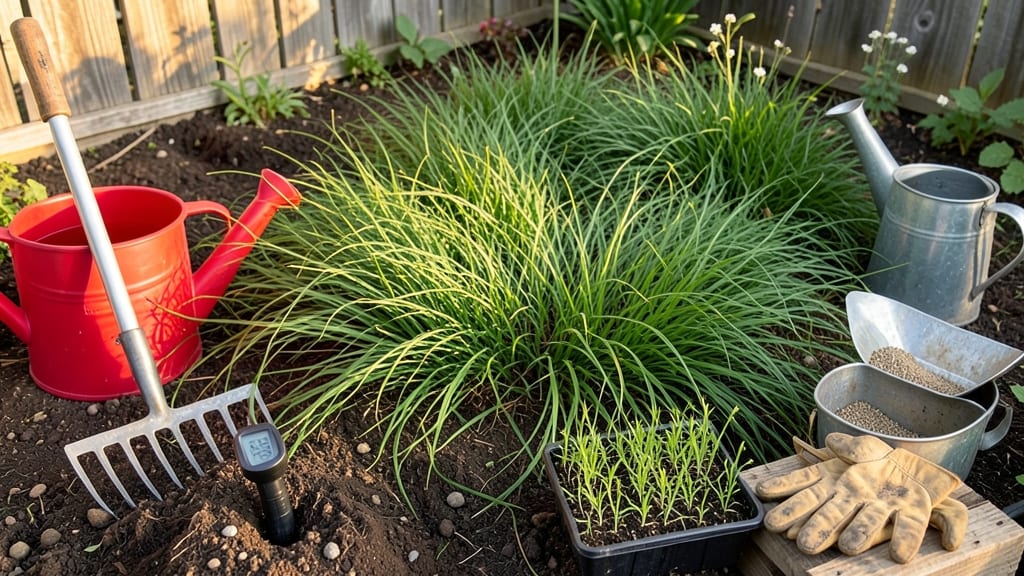
If you're asking "when should I plant Bermuda grass seed in Texas", timing is the difference between a thriving lawn and a frustrating waste of money. Bermuda grass 🌱 thrives in Texas' heat, but planting too early or late can leave your yard sparse and weak.
Most Texas gardeners make the mistake of waiting until summer's peak heat, but the ideal window is actually late spring to early summer when soil warms to at least 65°F. This gives seeds the perfect balance of warmth and moisture to establish strong roots before summer's intensity.
In this guide, I'll break down exactly when to plant in North vs. South Texas, what to watch for in your local climate, and how to prepare your soil for maximum success. Whether you're in Zone 8a or 10b, these tips will help you avoid common pitfalls.
Let's get your Bermuda grass off to the best possible start—because once those roots take hold, you'll have a lawn that stays green even through Texas' harshest summers.
Best planting windows for Bermuda grass seed in Texas: spring vs. fall breakdown
Texas gardeners know that timing is everything when planting Bermuda grass seed. Unlike cool-season grasses, Bermuda thrives in heat and full sun, making late spring to early summer the prime window for planting.
But is spring or fall better? Let’s break down the best times based on Texas climate zones and soil conditions.
In most of Texas, April through June offers the ideal balance of warm soil temperatures (above 65°F) and consistent rainfall for germination. However, fall planting is risky because Bermuda grass struggles to establish strong roots before winter dormancy. Let’s compare your options.
🌱 Key Insight: Bermuda grass is a warm-season grass, meaning it needs heat to germinate and grow. Planting too early in spring or too late in fall can lead to poor germination or weak growth.
Spring vs. Fall Planting for Bermuda Grass in Texas
| Factor | Spring Planting (April-June) | Fall Planting (August-September) |
|---|---|---|
| Soil Temperature | 65°F+ (ideal for germination) | Cooling too fast (below 65°F by late Sept.) |
| Rainfall Patterns | Moderate to high (April-May) | Decreasing (higher drought risk) |
| Growth Speed | Fast (3-4 weeks to establish) | Slow (roots may not mature before frost) |
| Drought Tolerance | High (once established) | Low (seedlings vulnerable) |
| Best Texas Regions | North, Central, South Texas | South Texas only (limited window) |
Spring planting wins for consistent success across Texas.
For North Texas (USDA Zones 7b-8a), aim for mid-April to early May when soil temperatures stabilize above 65°F. In Central Texas (Zones 8a-8b), late April to early June works best, while South Texas (Zones 9a-10b) can extend planting to early July due to longer heat retention.
If you miss spring, late August to early September is a secondary window in South Texas, but seedlings may not establish deep roots before winter. Always check a soil thermometer—Bermuda grass seed needs consistent warmth to germinate.
Pro Tip: Use a seed starter fertilizer (high in phosphorus) to boost early root growth. Avoid planting when daytime highs exceed 95°F, as this can dry out seeds before germination.
Remember, Bermuda grass is aggressive once established, so timing your planting ensures your lawn thrives under Texas’s intense sun and heat. Skip the guesswork—plant when the conditions align!
Critical factors to check before planting Bermuda grass seed in Texas
Before you even open that bag of Bermuda grass seed, Texas' unpredictable climate demands you check three critical factors: soil temperature, rainfall patterns, and your specific USDA zone. Skipping these steps often leads to slow germination or seed failure—so let’s tackle them one by one.
First, the soil temperature must reach at least 65°F (18°C) for consistent germination. Use a soil thermometer to test depths of 2-3 inches, especially in North Texas where cooler springs delay warming. If your soil is still chilly, wait—even if your neighbor’s lawn is already green.
Next, monitor rainfall forecasts for the next 2-3 weeks. Bermuda grass needs 1-1.5 inches of water weekly during establishment, but too much rain can wash seeds away or cause rot.
Check the National Weather Service for your region—South Texas may need less supplemental water than the Panhandle due to natural humidity.
Finally, your USDA zone dictates the best window. In Zone 8a (North Texas), aim for late April to May after the last frost (usually around February 15).
In Zone 10b (South Texas), you can plant as early as March, but avoid peak summer heat when seeds dry out faster.
| Factor | Texas-Specific Requirement | Why It Matters |
|---|---|---|
| Soil Temperature | Minimum 65°F (18°C) at 2-3" depth | Seeds won’t germinate below this; North Texas waits longer than South Texas. |
| Rainfall | 1-1.5" per week (natural + supplemental) | Too little = dry seeds; too much = erosion or rot. |
| USDA Zone | Zone 8a: Late April-May; Zone 10b: March-April | Frost dates vary wildly—North Texas risks late frosts; South Texas avoids summer heat. |
One common mistake? Planting based on the calendar month instead of soil conditions. I once saw a gardener in Dallas plant in early April—only for a late frost to kill the seeds. Always prioritize soil temperature over dates, and adjust for your microclimate (e.g., shady spots stay cooler longer).
Pro tip: If you’re in Central Texas, test your soil’s moisture retention. Sandy soils dry out faster, so consider adding compost or a mulch layer to retain humidity. This small step can mean the difference between a patchy lawn and a uniform carpet of green.
Finally, don’t ignore weed competition. Bermuda grass spreads aggressively once established, but young seeds struggle against crabgrass or clover. Apply a pre-emergent herbicide 2-3 weeks before planting to give your grass a fighting chance.