
Trees
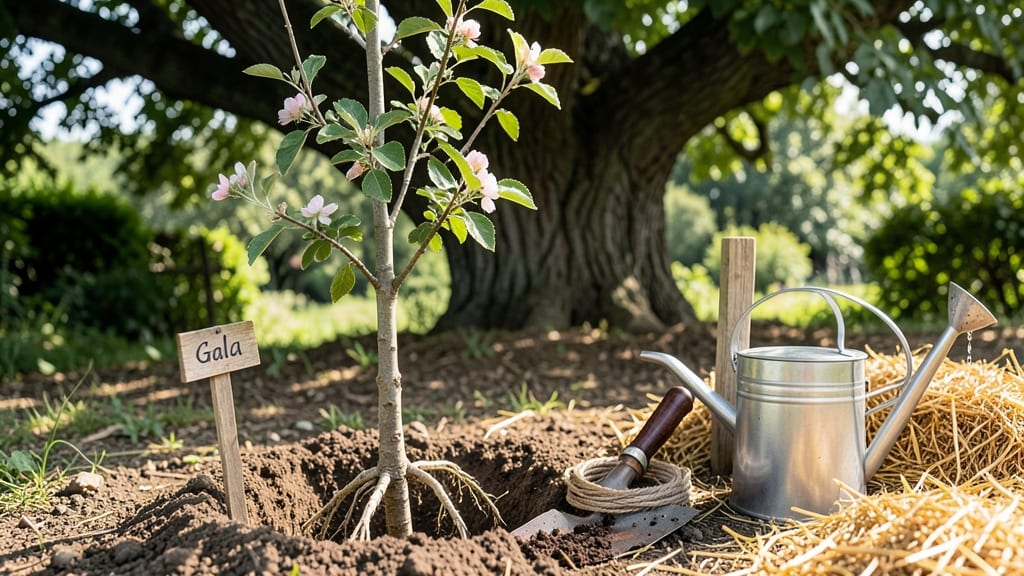
Timing your apple tree planting in North Carolina isn’t just about the calendar—it’s about matching your tree’s chill-hour needs with your local frost patterns. Plant too early, and your 🍎 might face winter stress; too late, and root growth suffers before summer heat arrives.
The sweet spot? Late winter to early spring, when soil thaws but buds haven’t yet swollen.
Here’s the catch: North Carolina’s 6b-8a zones mean your mountain orchard and coastal neighbor have wildly different deadlines. A Fuji apple (800+ chill hours) thrives in the Piedmont’s cooler springs, while a Gala (500+ hours) might struggle in the heat of the Coastal Plains.
We’ll break down exactly when to dig—and how to prep your soil for that first critical year.
Whether you’re planting bare-root saplings or container-grown trees, the 30-day window between February and April is your best bet. But don’t just follow the rulebook: we’ll show you how to read your local frost dates, amend heavy clay soil, and protect young roots from North Carolina’s unpredictable weather shifts.
Ready to turn your backyard into an orchard?
Let’s get into the specifics—so you can plant with confidence and watch those blossoms burst come spring.
North Carolina’s chill-hour zones: matching apple varieties to your location for perfect blooms
North Carolina’s diverse climate creates three distinct chill-hour zones that determine which apple varieties will thrive in your backyard. Chill hours (the number of hours below 45°F) are critical for apple trees to bloom properly.
If you plant a variety needing 800 chill hours in a 400-hour zone, you’ll likely get sparse or no fruit. Let’s match your location to the perfect apple tree!
First, find your USDA Hardiness Zone (6b-8a across NC) and cross-reference it with chill-hour requirements. The Coastal Plains (e.g., Wilmington) average 300-500 chill hours, while the Mountains (e.g., Asheville) can exceed 1,000+ hours.
Use the NC State Extension’s chill-hour map or the USDA Plant Hardiness Zone Map to pinpoint your exact zone.
Here’s how to verify your chill hours: Check your local weather station’s annual chill-hour data or use a home weather station to track temperatures below 45°F for 3-5 years. Many nurseries in NC now label trees with their chill-hour requirements, making it easier to choose wisely.
| Chill-Hour Zone | Recommended Apple Varieties | Notes |
|---|---|---|
| 300-500 Hours | 'Akane', 'Ein Shemer', 'Anna' | Low-chill varieties for Coastal Plains; ripen early. |
| 500-700 Hours | 'Gala', 'Golden Delicious', 'Honeycrisp' | Ideal for Piedmont; balanced chill needs. |
| 700-900 Hours | 'Fuji', 'Granny Smith', 'Jonagold' | Best for foothills; needs moderate chill. |
| 900+ Hours | 'McIntosh', 'Cortland', 'Empire' | Mountain zones; high chill tolerance. |
For example, if you live in Raleigh (Zone 7b, ~600 chill hours), 'Honeycrisp' or 'Gala' would be ideal choices. But if you’re in Asheville (Zone 7a, ~900+ hours), 'McIntosh' or 'Cortland' would thrive.
Always check the tree’s label or ask your local nursery—some varieties, like 'Akane', are bred specifically for NC’s lower-chill zones.
Pro tip: If you’re unsure about your chill hours, start with a low-chill variety like 'Anna' or 'Ein Shemer'. These are forgiving and less likely to fail due to insufficient chill.
You can also plant a pollination partner (another apple tree with compatible blooming times) to ensure fruit set, even in marginal zones.
Once you’ve matched your zone to the right variety, the next step is timing your planting to avoid late frosts and maximize root growth. For Coastal NC, this means planting as early as December, while Mountain gardeners should wait until March or April.
Let’s dive into the best planting windows for each NC region next!
Remember, chill hours aren’t the only factor—soil type, sunlight, and water access also play roles. But getting the chill hours right is your first step to a fruitful apple tree that blooms reliably every spring. 🍎🌱
Best planting windows by North Carolina region: avoiding frost and maximizing root establishment
North Carolina’s three distinct regions—Coastal Plains, Piedmont, and Mountains—each have unique frost timelines that dictate your apple tree planting window.
In the milder Coastal Plains, you can plant as early as December through February, while the cooler Mountains wait until March or April to avoid late frosts. The Piedmont sits in between, with ideal planting in February to early March.
Timing isn’t just about frost—it’s also about soil temperature. Roots need soil at 40°F or warmer to establish properly. Use a soil thermometer to check before planting; if the ground is still cold, wait another week.
In the Mountains, where springs are cooler, this often means delaying until late March or even early April.
Here’s the golden rule: Plant your bare-root trees as soon as the ground is workable but before buds begin to swell. For container-grown trees, you have more flexibility—plant anytime except during extreme heat or cold.
But remember, early planting gives roots more time to settle before summer’s heat stress arrives.
| Region | Best Planting Window | Soil Temp Requirement | Last Frost Date | Key Risk |
|---|---|---|---|---|
| Coastal Plains | December - February | 45°F+ | Mid-March | Late frosts |
| Piedmont | February - Early March | 40°F+ | Early April | Spring heat waves |
| Mountains | March - Early April | 45°F+ | Late March | Late spring frosts |
Adjust your planting timeline if your season runs early or late. Check your local Cooperative Extension Service for updated frost data—some years, the Piedmont might see frost as late as April 15, while the Mountains could experience unseasonably warm spells in February.
Flexibility is key, especially for container-grown trees, which can be planted in fall or early spring if soil conditions allow.
Once you’ve picked your window, focus on root establishment in the first 30 days. Water deeply twice weekly to encourage root growth, and avoid fertilizing until new leaves appear. In the Coastal Plains, where summers arrive early, prioritize shade cloth for young trees to reduce stress from sudden heat.
Pro tip: If you miss the ideal window, don’t despair—container-grown trees can be planted in fall (September-October), giving roots time to settle before winter. Just mulch heavily to insulate roots from freezing temperatures.