
Trees
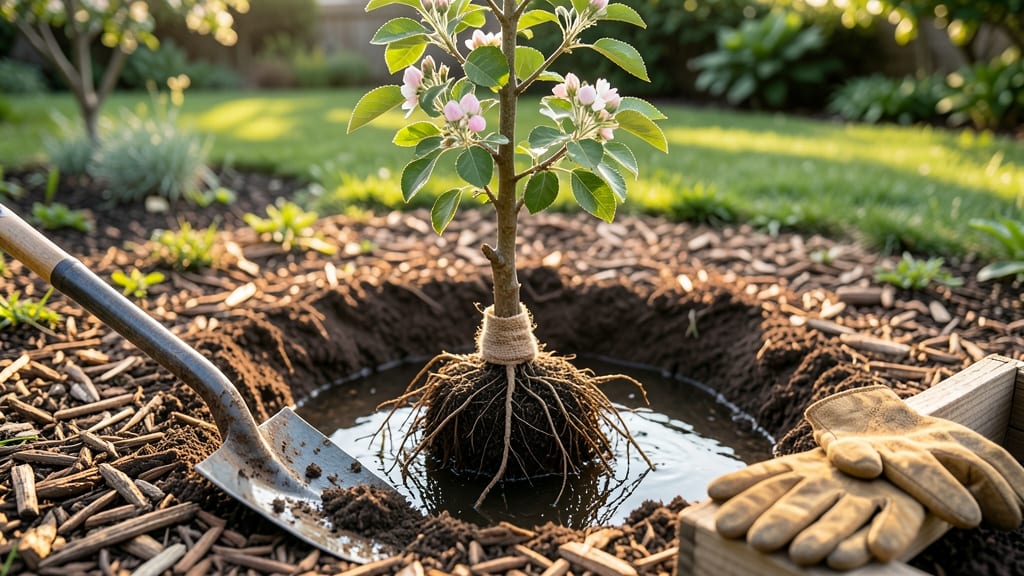
Timing your apple tree planting in Zone 5 isn’t just about waiting for spring—it’s about matching your 🍎 variety to the region’s chill hours for reliable fruit.
Skip the guesswork, and you could end up with a tree that blooms but never bears apples, or worse, dies from a late frost.
Zone 5’s unpredictable climate demands precision: plant too early, and young roots freeze; too late, and summer heat stresses the tree before it establishes. The sweet spot? Late spring to early summer, when soil warms but frost risks fade—but not all apple varieties thrive on the same schedule.
I’ll break down the chill-hour requirements for popular cultivars like Honeycrisp and Fuji, plus exactly when to plant them in Zone 5’s 500–900 chill-hour range. Whether you’re a first-time grower or a seasoned orchardist, these insights will help you pick the perfect window for strong roots and bountiful harvests.
Ready to avoid common mistakes? Let’s dive into the exact planting calendar that works for Zone 5’s climate—so you can enjoy homegrown apples for years to come.
Zone 5 apple tree planting timeline: chill-hours by variety
Zone 5 gardeners face a unique challenge: matching apple tree varieties to the region’s 500–900 chill hours. Too few chill hours, and your tree won’t bloom properly. Too many, and you’ll waste money on varieties that struggle.
The key is selecting cold-hardy cultivars and planting them at the right time to maximize root establishment before winter.
Most apple trees need 300–900 chill hours, but Zone 5’s average is 600–800 hours. High-chill varieties like Honeycrisp (800+ hours) thrive here, while low-chill types (like Fuji, 600–700 hours) may need adjustment. Planting timing directly impacts how well your tree adapts to these chill requirements.
Here’s the critical rule: Plant bare-root trees in early spring (April–May), 4–6 weeks after your last frost date, or dormant trees in fall (September–October).
Spring planting gives roots time to establish before winter, while fall planting allows roots to grow before dormancy—but only if planted 6–8 weeks before frost.
For Zone 5-specific success, prioritize varieties like McIntosh, Cortland, or Liberty, which handle the region’s chill hours and frost risks. Avoid tropical varieties (e.g., Red Delicious), which need fewer chill hours and often fail to fruit reliably in colder climates.
| Variety | Chill Hours | Best Planting Window | Notes |
|---|---|---|---|
| Honeycrisp | 800–900 | Early spring (April) | High yield, needs full sun |
| Fuji | 600–700 | Fall (September) | Sweet, crisp fruit; tolerates partial shade |
| Granny Smith | 700–800 | Early spring (April–May) | Tart, disease-resistant |
| McIntosh | 500–600 | Fall (September–October) | Classic flavor; prone to scab |
| Cortland | 700–800 | Early spring (April) | Late-season harvest; cold-hardy |
| Liberty | 600–700 | Fall (September) | Disease-resistant; great for beginners |
| Gala | 500–600 | Early spring (April–May) | Early harvest; needs pollinator |
If you’re planting in fall (September–October), focus on dormant trees with established roots. This gives them time to settle before winter, but avoid planting too late—6 weeks before frost is the cutoff.
For spring planting (April–May), wait until soil warms to 50°F (10°C) and all frost risk has passed.
Pro tip: Use mulch (4–6 inches) around the base of your tree in both spring and fall to regulate soil temperature and retain moisture. This is especially critical in Zone 5’s variable winters, where soil can freeze or thaw unpredictably.
For container-grown trees, plant in late spring (May–June) to avoid root shock from transplanting during cold snaps. These trees are less resilient to frost and need extra care during their first winter in Zone 5.
Remember: Chill hours ≠ frost tolerance. A tree can handle cold temps but still need enough chill hours to bloom. For example, Liberty apples thrive in Zone 5 because they meet both criteria—600–700 chill hours and -25°F (-32°C) tolerance.
Start your research now by checking your local USDA Plant Hardiness Zone map for precise frost dates. Many nurseries provide chill-hour data for their apple varieties—ask before you buy!
Zone 5 apple tree planting timeline: chill-hours by variety
Zone 5’s 500–900 chill-hour range means not all apple varieties thrive here. High-chill varieties like Honeycrisp (900+ hours) need winter’s cold to set fruit, while low-chill types (500–700 hours) like Liberty tolerate milder winters.
Planting at the wrong time—before roots establish or after summer heat sets in—can stunt growth or trigger frost damage.
Your planting window hinges on last frost dates (mid-May) and soil temperature (50°F+). Spring planting (April–May) gives trees 6–8 weeks to root before summer, while fall planting (September–October) risks winter stress. I’ll show you the exact months to plant based on your chosen variety’s chill needs.
🍎
| Variety | Chill Hours | Zone 5 Planting Window | Notes |
|---|---|---|---|
| Honeycrisp | 900+ | Late April–May | High-chill; needs winter cold |
| Fuji | 800–900 | Late April–May | Best in cooler microclimates |
| Granny Smith | 700–800 | Early May–June | Moderate chill; tolerates heat |
| Liberty | 500–600 | Late May–June | Low-chill; disease-resistant |
| Gala | 600–700 | Early May–June | Early bloomer; frost-sensitive |
| McIntosh | 800–900 | Late April–May | Classic; needs full winter chill |
For Honeycrisp or McIntosh, aim for late April–May planting to ensure roots establish before summer.
These high-chill varieties need winter’s cold to trigger blooming, so planting too late risks poor fruit set. Liberty or Gala, with lower chill needs, can wait until late May–June but may produce fewer apples in mild winters.
Pro tip: Use a soil thermometer to confirm temps are above 50°F before planting. Cold soil slows root growth, leaving young trees vulnerable to drought or frost. If your spring is unpredictable, opt for container-grown trees—they transplant better than bare-root stock.
🌱