
Plants
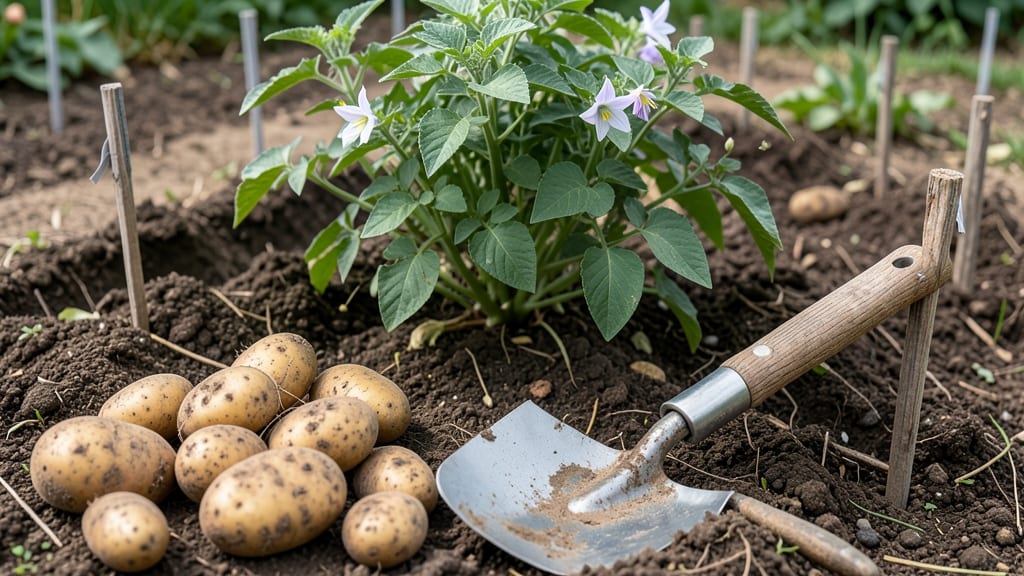
Knowing the best time to plant potatoes in North Carolina can make the difference between a bumper crop of crisp, golden spuds and a sad harvest of bitter, bolted tubers.
The 7a-8b zones here offer a narrow window—too early, and your 🥔 will flower before bulking up; too late, and you’ll miss the ideal growing season entirely.
Most gardeners in the Tar Heel State swear by planting between February and March, but the exact timing depends on your region’s last frost date and soil temperature.
Coastal areas like Wilmington can start as early as January, while mountain zones near Asheville might wait until late March to avoid frost damage.
This isn’t just about sticking potatoes in the ground—it’s about strategic planning. Whether you’re growing early varieties like ‘Red Norland’ or late-season keepers like ‘Kennebec,’ the key is matching your planting schedule to your zone’s unique climate quirks.
Let’s break down the best time to plant potatoes in NC, including soil prep, variety selection, and how to adjust for unpredictable weather. Your perfect harvest starts with the right timing—and we’ve got the zone-specific calendar to make it foolproof.
North Carolina potato planting calendar by USDA Zone: exact dates for zero-bolt success
North Carolina’s diverse climate—from the humid Coastal Plain to the cooler Mountains—means potato planting times vary wildly. In Zone 7a (e.g., Asheville), you can start as early as February 15, while Zone 8b (e.g., Wilmington) waits until March 15.
The key? Planting when soil reaches 45°F+ and 2–4 weeks before your last frost date (typically mid-March in Piedmont, later in the Mountains).
Bolting—when potatoes flower prematurely—is your worst enemy. It’s triggered by heat stress or short days. In NC, this usually happens if you plant too early in Zone 8b or too late in Zone 7a.
Staggered plantings (every 2 weeks) spread harvests and reduce risk. For example, plant early varieties in February and late varieties in April.
Soil temperature is non-negotiable. Use a soil thermometer—potatoes need 45°F+ to sprout. In the Piedmont, this often aligns with late March, while Mountain regions may wait until early April. Pro tip: Black plastic mulch warms soil faster, letting you plant 1–2 weeks earlier in cooler zones.
Here’s your zone-by-zone breakdown, including ideal planting windows and frost-free benchmarks to avoid bolting:
| USDA Zone | Region | Last Frost Date | Ideal Planting Window | Soil Temp Threshold | Harvest Window |
|---|---|---|---|---|---|
| 7a | Mountains (Asheville, Boone) | April 1–15 | February 15–March 15 | 45°F+ | June 15–July 15 |
| 7b | Piedmont (Raleigh, Greensboro) | March 15–31 | February 20–March 20 | 45°F+ | May 30–July 1 |
| 8a | Coastal Plain (Fayetteville, Goldsboro) | March 1–15 | March 1–March 15 | 50°F+ | May 15–June 15 |
| 8b | Coastal (Wilmington, Jacksonville) | February 15–March 1 | March 15–April 1 | 50°F+ | April 30–June 1 |
*Adjust dates 1 week earlier for early varieties (60-day harvest) or 1 week later for late varieties (120-day harvest).
For Coastal Plain gardeners, the March 1–15 window is critical—planting earlier risks bolting from warm soil, while waiting too long shortens the growing season. In the Mountains, aim for February 15 to avoid late frosts that can kill young sprouts.
Pro tip: Chit potatoes (sprout them indoors 4–6 weeks before planting) to jumpstart growth in cooler zones.
North Carolina’s microclimates can shift planting windows by weeks. For example, Raleigh’s Piedmont might see 50°F soil by March 10, while Asheville’s Mountains could still be 40°F in early April.
Always check a local frost calendar (like the NC State Extension maps) and adjust for elevation—every 1,000 feet up delays planting by 1 week.
If you’re unsure about your zone, use the NC State Climate Office’s frost maps to pinpoint your exact last frost date. Then, count back 3–4 weeks for planting. For container growing, add 1–2 extra weeks since pots warm up slower.
In Zone 8b, you can even try a fall planting (August–September) for a winter harvest, though yields may be smaller.
Remember: Early varieties (like ‘Yukon Gold’) need 60–90 days to harvest, while late varieties (like ‘Russet Burbank’) take 120+ days. Plant early potatoes first, then late potatoes 2 weeks later to stagger harvests. This ensures you’re not overwhelmed with June–July digging or left with bolted, bitter spuds.
For
How to adjust planting time for North Carolina’s microclimates: avoiding bolting in unpredictable years
North Carolina’s diverse geography—from the Coastal Plain’s humidity to the Mountains’ cooler nights—means planting times can vary by hundreds of miles. In Raleigh (Zone 7b), you might plant in early March, while Asheville (Zone 7a) gardeners wait until late March to avoid frost.
Even within cities, microclimates like urban heat islands or shaded valleys can shift ideal planting windows by 1-2 weeks.
Bolting—when potatoes send up flower stalks too early—is your biggest enemy. This happens when days get too long or soil stays too cold.
In Wilmington’s warmer coastal zone (8a), bolting risk peaks if planted after March 15, while Mountain regions can safely plant until April 1 without stress. The key? Adjust based on soil temperature, not just the calendar.
Row covers are a game-changer for extending seasons. In Zone 7a Mountains, I’ve used floating row covers to plant potatoes as early as February 15, then removed them once soil warmed.
This trick adds 2-3 weeks to your growing window without risking bolting. Just secure edges tightly to prevent pests like colorado potato beetles from sneaking in.
Mulch is another microclimate hack. A 4-inch layer of straw keeps soil 5-10°F warmer in spring, accelerating sprouting. In Piedmont’s clay soils, I add black plastic mulch to warm soil faster—critical for late-March plantings.
Avoid organic mulches like leaves, though; they cool soil too much and delay germination.
If you’ve already planted too early and see flower stalks, don’t panic. Harvest immediately—even small tubers will be sweeter and less bitter than if left to bolt. For Coastal Plain gardeners, this often means May harvests instead of June, but the trade-off is zero wasted effort.
Store these early potatoes in a cool, dark place (50-60°F) to extend their shelf life.
Pro tip: Keep a planting journal for 3 years to spot your local microclimate patterns. Note when bolting occurs, how rainfall affects soil temps, and which varieties thrive.
In Asheville’s foggy mornings, I’ve found ‘Kennebec’ bolts 30% faster than ‘Russet Burbank’—knowledge that saves my harvest every year. 🌱