
Trees
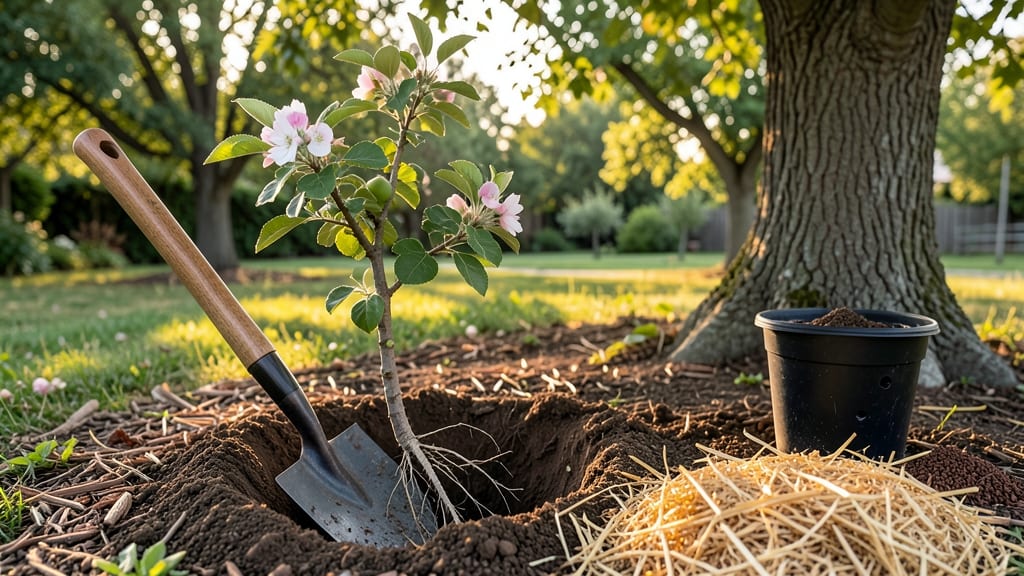
Timing is everything when it comes to planting apple trees in Alabama—get it wrong, and your 🍎 could freeze before it even takes root. The key isn’t just picking a month, but understanding how Alabama’s unique 7b-8a climate zones and frost patterns create the perfect window for success.
Most gardeners assume spring is the only option, but late winter (February-March) offers cooler soil and fewer pests, giving your young tree the best start. We’ll break down exactly why this timing matters and how to adjust for North vs. South Alabama’s microclimates.
You’ll also discover which apple varieties thrive in your specific zone, from cold-hardy ‘Anna’ to heat-tolerant ‘Gala’, and how to prepare your soil for maximum growth. Let’s make sure your orchard dreams don’t get nipped by a late frost.
Whether you’re planting bare-root saplings or container-grown trees, these insights will help you avoid common mistakes and set your 🍎 up for a fruitful future. Ready to dig in?
Alabama’s best planting months for apple trees by chill-hour zone
Alabama’s climate—spanning USDA Zones 7b to 8a—creates a unique challenge for apple growers. The state’s chill-hour requirements (ranging from 500 to 1,000+ hours below 45°F) dictate which varieties thrive.
Planting at the wrong time can leave your tree vulnerable to late frosts or heat stress. My goal? Help you pick the perfect window for your region and tree type.
Most Alabama gardeners should plant apple trees between late February and early April, but timing shifts based on your chill-hour zone. For example, North Alabama’s cooler microclimates (like Zone 7b) favor early planting, while South Alabama’s milder winters (like Zone 8a) allow later starts.
Let’s break it down by zone and variety.
🌱 Key Takeaway: Bare-root trees need dormant planting (before buds swell), while container-grown trees offer more flexibility. Always check your local last frost date—North Alabama averages March 15, while South Alabama sees frost risks as late as April 1.
🌳 Alabama Apple Tree Planting Guide by Chill-Hour Zone
| Zone & Chill Hours | Best Planting Window | Top Varieties | Soil Prep Tip |
|---|---|---|---|
| Zone 7b (500–700 hrs) | Late Feb–early March | ‘Anna’, ‘Akane’, ‘GoldRush’ | Amend with compost and lime (pH 6.0–6.5). |
| Zone 7b–8a (700–900 hrs) | Mid-March–early April | ‘Gala’, ‘Fuji’, ‘Honeycrisp’ | Test for drainage; avoid clay soil. |
| Zone 8a (900+ hrs) | Late March–April | ‘SweeTango’, ‘JonaGold’, ‘Ambrosia’ | Mulch with wood chips to retain moisture. |
💡 Pro Tip: Urban areas (like Birmingham) may experience 5–10°F warmer microclimates—adjust planting dates accordingly.
For North Alabama gardeners (e.g., Huntsville, Decatur), prioritize early March planting to avoid late frosts. Choose low-chill varieties like ‘Anna’ or ‘Akane’, which thrive with 500–700 chill hours. These trees also handle Alabama’s hot summers better than high-chill varieties.
In South Alabama (e.g., Mobile, Dothan), extend your window to late March or April. Varieties like ‘SweeTango’ (900+ chill hours) perform well here, but monitor soil temperatures—roots need to warm to 50–60°F before planting. Use black plastic mulch to speed up soil warming in cooler spells.
Container-grown apple trees offer flexibility—plant them year-round in Alabama, but avoid peak summer heat (June–August) or winter freezes (December–February). If planting in fall (September–October), water deeply to help roots establish before winter dormancy.
Always dig a hole twice as wide as the root ball but no deeper. Loosen roots gently if pot-bound, and backfill with a mix of native soil and compost. Stake young trees only if needed—Alabama’s warm winds can stress newly planted saplings.
After planting, mulch with 3–4 inches of organic mulch (like pine straw) to retain moisture and regulate soil temperature. Water deeply once a week for the first month, then taper to every 10–14 days once established. Avoid overhead watering to prevent fungal diseases like apple scab.
🌿 Final Tip: Mark your planting date on a calendar and note the first bloom time—this helps track your tree’s progress and adjust care as needed. With the right timing, your Alabama apple tree could bear fruit in 3–5 years!
How to time your planting for Alabama’s frost patterns & soil conditions
Alabama’s frost dates can shift by weeks between North and South, making timing critical for your apple tree’s survival. In USDA Zone 7b-8a, the last frost typically hits around March 15, but urban areas like Birmingham may see frost-free conditions 2-3 weeks earlier.
Always check your local Alabama Agricultural Extension for precise frost forecasts.
Soil temperature is just as important as air temperature. Apple trees thrive when soil reaches 50–60°F—cooler than you might expect. Use a soil thermometer to verify before planting. In North Alabama, this usually aligns with late February, while South Alabama may wait until early March.
Moisture levels also play a role. Alabama’s clay-heavy soils in the Black Belt region drain poorly, while sandy soils in the Wiregrass dry out quickly. Amend your soil with compost or organic matter to improve drainage and moisture retention before planting.
⚠️ Late Frost Warning
North Alabama gardeners face higher frost risk after March 15. If planting in February, use frost cloth or choose cold-hardy varieties like ‘Anna’ or ‘Akane’. South Alabama’s milder climate allows planting until early April without extra protection.
Urban heat islands (like downtown Huntsville) can delay frost by 1–2 weeks, but microclimates near lakes or valleys may still see late frosts. Monitor NOAA frost maps for real-time updates.
Container-grown apple trees offer flexibility. They can be planted year-round in Alabama, except during extreme heat (July–August) or frost (December–February). If planting in fall (October–November), ensure the tree enters dormancy before first frost—typically by November 15.
For bare-root trees, late winter (February) is ideal—roots establish before buds swell in spring. If you miss this window, wait until early spring (March–April), but avoid planting after May to prevent summer stress. Mulch heavily with wood chips to regulate soil temperature.
Pro tip: Plant on a 45-degree angle to encourage root growth downward. In Alabama’s heat, drip irrigation keeps roots moist without wetting foliage, reducing fungal risks like apple scab. Adjust your watering schedule based on rainfall—Alabama’s summer downpours can drown shallow roots.