
Plants
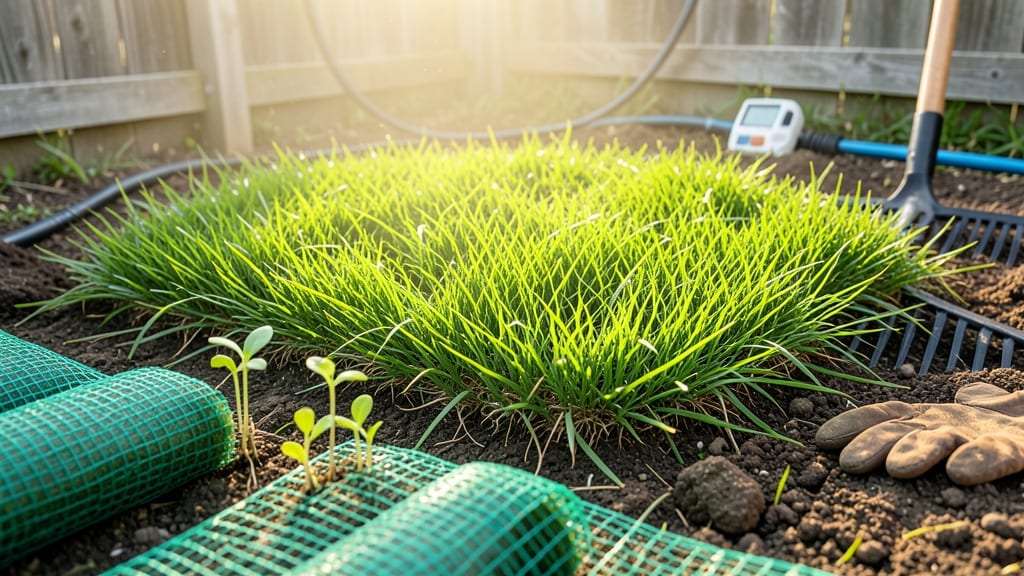
If you're in the South and dreaming of that lush, green Bermuda grass lawn 🌱, timing your planting right is the secret weapon you can't afford to miss. Plant too early, and you risk frost damage or slow growth; too late, and you might miss the prime growing window entirely.
For USDA zones 8a-11, the ideal window is late spring to early summer—typically between April and June—when soil temperatures consistently hit 65°F (18°C). This warm-season grass thrives in heat, but getting it in the ground at the right time ensures it takes off fast and stays resilient.
I’ve seen firsthand how a few weeks can make or break a Bermuda grass lawn, especially in the Deep South where summers are long and intense. Whether you're planting seeds or laying sod, understanding your local climate and soil conditions is the key to avoiding common pitfalls.
In this guide, I’ll break down exactly when to plant, how to prep your lawn for success, and which varieties work best in your specific region. Let’s get that grass growing the right way!
Optimal planting windows for Bermuda grass in Southern climates
Bermuda grass thrives in the Southern heat, but timing is critical—plant too early and risk frost damage, too late and miss peak growth. The ideal window spans late spring to early summer, when soil temperatures consistently stay above 65°F (18°C).
This ensures your grass establishes strong roots before summer's intense heat arrives.
Southern climates vary dramatically, from the humid Gulf Coast to the drier inland regions.
Coastal areas like Florida and Louisiana can plant as early as March-April, while inland zones (e.g., Texas Hill Country) should wait until May-June to avoid late frosts. USDA zones 8-11 all share one rule: never plant before the last frost date.
Here’s how to pinpoint your exact window using local climate cues. Watch for soil warmth—press your hand into the ground; if it feels cool, wait.
Also, track nighttime temperatures—consistent highs above 70°F (21°C) signal it’s time to plant. This approach works for both seeds and sod, though sod establishes faster.
🌱 Bermuda Grass Planting Timeline by Southern Region
| Region | USDA Zones | Ideal Planting Window | Soil Temp Threshold | Key Cue |
|---|---|---|---|---|
| Gulf Coast (FL, LA, MS) | 9a-11 | Mid-March to April | 65°F+ (18°C) | Azaleas blooming |
| Deep South (AL, GA, SC) | 8a-9b | Late April to May | 70°F+ (21°C) | Peach trees in bloom |
| Inland South (TX, OK, AR) | 7b-9a | May to early June | 75°F+ (24°C) | Crabgrass emerging |
| Coastal Plains (NC, VA) | 7b-8b | Late April to May | 68°F+ (20°C) | Daffodils fading |
🌡️ Pro Tip: Use a soil thermometer for precision—Bermuda grass seeds need consistent warmth to germinate.
For sod installation, aim for late spring (May-June) to give roots time to establish before summer’s peak heat. Sod is more forgiving than seeds, but avoid planting in extreme heat—temperatures above 90°F (32°C) can stress new grass.
If you miss the window, late summer (August) is a secondary option, though growth slows as fall approaches.
Watch for local weather patterns—coastal areas may experience late spring rains, while inland regions face dry spells. Adjust your schedule: if forecasted rain is heavy, delay planting to prevent waterlogging.
Conversely, if drought is predicted, prioritize irrigation setup before planting. Consistency is key—Bermuda grass needs steady moisture for the first 4-6 weeks.
One common mistake is planting too late—by July, summer’s intensity can stunt germination. If you’re in Zone 10-11, consider early spring planting (February-March) for a head start, but monitor for unexpected cold snaps. Bermuda grass is resilient, but timing maximizes its potential in Southern climates.
Regional microclimates also play a role. For example, urban heat islands (like Atlanta or Houston) can be 5-10°F warmer than rural areas, allowing earlier planting. Use local gardening extensions or apps like PlantNet to track heat accumulation—aim for 1,200+ growing degree days post-planting for optimal results.
Finally, test your soil’s readiness with a simple thermometer check. Bury it 4 inches deep—if it reads 65°F+ (18°C) for 3+ days, it’s time. This method beats guessing and ensures your Bermuda grass germinates uniformly. Patience pays off—rushing leads to patchy, weak growth.
Once planted, monitor for 30 days to confirm
Optimal planting windows for Bermuda grass in Southern climates
Bermuda grass thrives in the Southern heat, but planting it at the wrong time can mean the difference between a lush lawn and a struggle. The key is to plant when soil temperatures stay above 65°F (18°C) consistently—this ensures strong germination and rapid growth.
In USDA zones 8a-11, the ideal window is late April to early June, aligning with the last frost date in your area.
For example, in Zone 8a (e.g., Atlanta, GA), aim for mid-April to May, while Zone 10a (e.g., Miami, FL) can plant as early as late March.
Coastal areas like the Gulf Coast often have earlier planting dates due to milder winters, while inland regions may need to wait until late May to avoid late-season frosts.
🌱 Pro Tip: Use a soil thermometer to confirm temperatures before planting. If soil is cooler than 65°F, germination will be slow or inconsistent, leaving your lawn vulnerable to weeds.
| USDA Zone | Ideal Planting Window | Soil Temp Threshold | Regional Notes |
|---|---|---|---|
| 8a (e.g., Atlanta, GA) | Mid-April to May | 65°F+ (18°C) | Wait for last frost (avg. March 15). |
| 9a (e.g., Orlando, FL) | Late March to April | 65°F+ (18°C) | Coastal areas can plant earlier. |
| 10a (e.g., Miami, FL) | Late March to April | 65°F+ (18°C) | Tropical climate allows year-round growth. |
| 11 (e.g., Key West, FL) | Year-round (best: April-June) | 65°F+ (18°C) | No frost risk; plant during rainy season. |
If you miss the primary planting window, don’t panic—Bermuda grass can also be planted in early August for a fall establishment. However, this method requires more frequent watering and may not fill in as densely before winter dormancy.
For best results, stick to the late spring window when days are long and temperatures are ideal.
✂️ Watch Out: Planting too early (e.g., March in Zone 8a) risks frost damage or slow growth. Conversely, planting in July or later may leave your lawn thin before winter, as Bermuda grass goes dormant in cooler months.
For sod installation, the timing is slightly more flexible—you can lay sod up to 2 weeks before or after the seed planting window. Sod establishes faster because it’s already mature, but it still needs warm soil to root deeply. Always water thoroughly after installation to encourage root growth.