
Plants
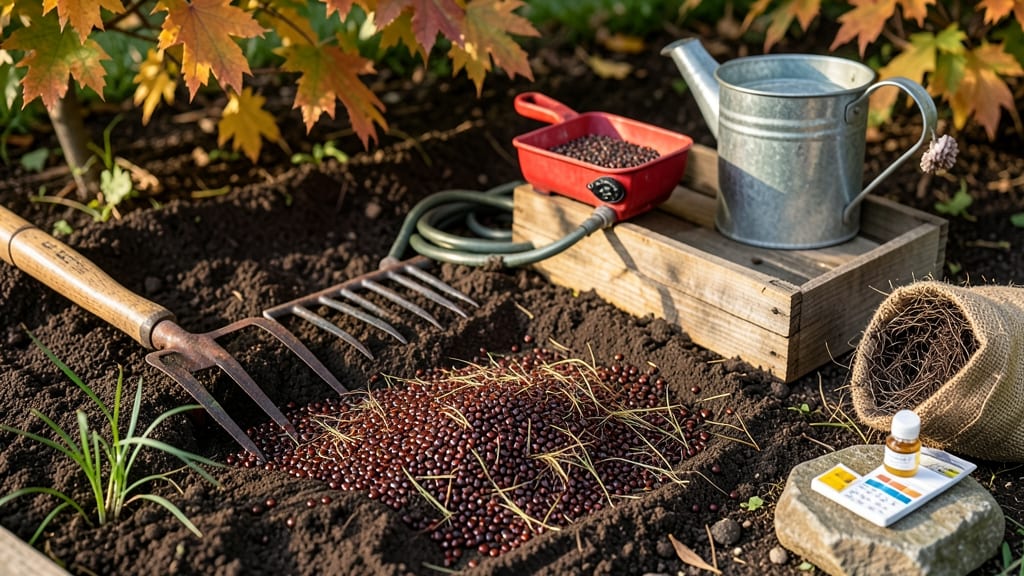
If you’ve ever stared at a patchy lawn and wondered when is the best time to plant grass seed in Pennsylvania, timing is your secret weapon. Skip the guesswork—planting at the wrong moment means wasted seed, slow growth, or even inviting weeds to take over.
The Keystone State’s shifting seasons demand precision, but with the right strategy, you can turn bare spots into a thick, green carpet.
Pennsylvania’s 5b-7a climate zones throw a curveball: too early, and frost zaps your efforts; too late, and summer heat dries out new shoots. The sweet spot? Early spring (after the last frost, around April 15) or late fall (before the first frost, by October 15).
Both windows give your 🌱 Grass Seed (Turfgrass) the moisture and mild temps it craves to germinate.
Here’s the game-changer: regional differences matter. Pittsburgh’s cooler microclimate favors fall planting, while Philadelphia’s humidity demands extra vigilance against fungal diseases. We’ll break down the exact steps—soil prep, seed selection, and watering hacks—to ensure your lawn thrives, not just survives.
Ready to ditch the trial-and-error? Let’s map out your 6-12-month journey to a lush lawn, starting with the 2-4 weeks of critical germination. No more second-guessing—just science-backed results.
Pennsylvania’s optimal grass seed planting windows: spring vs fall compared
Pennsylvania’s cool-season climate creates two prime windows for planting grass seed: early spring and late fall. Both offer ideal soil temperatures (50-65°F) and reduced competition from weeds. But which is better for your yard? The answer depends on your region’s microclimate and the grass seed variety you choose.
Spring planting (March–May) gives seeds a longer growing season before summer heat arrives, while fall planting (September–November) avoids late-season droughts and provides cooler soil for root establishment.
Pennsylvania’s USDA zones 5b-7a mean frost dates vary—Philadelphia’s last frost is April 15, but the Poconos can see frost until May 1.
🌱 Pennsylvania Grass Seed Planting Comparison
| Factor | Spring Planting | Fall Planting |
|---|---|---|
| Best Months | March–April | September–October |
| Soil Temp | 50–65°F | 50–65°F |
| Germination Time | 7–14 days | 7–14 days |
| Weed Competition | Moderate (spring weeds) | Low (fall weeds dormant) |
| Best For | Tall fescue, Kentucky bluegrass | Perennial ryegrass, fine fescue |
| Regional Note | Pittsburgh: Wait until April 1 | Poconos: Plant by Sept 15 |
For Pittsburgh and western PA, spring planting is ideal because summer heat arrives earlier, while Philadelphia and southeastern PA benefit from fall planting due to milder winters. The Poconos region has shorter growing seasons, so fall planting (by September 15) ensures seeds establish before winter.
If you’re torn between seasons, consider perennial ryegrass—it germinates faster (5–7 days) and handles both spring and fall planting. Kentucky bluegrass, however, thrives best in spring when soil warms consistently. Always check your local frost dates and aim to plant 4–6 weeks before the first expected frost.
Regardless of season, soil temperature is your best guide. Use a soil thermometer ($10 at garden centers) to confirm temps are 50°F or above before planting. Cold soil slows germination, leaving your lawn vulnerable to weeds and erosion.
Pro tip: Mix cool-season grasses (like tall fescue) with warm-season grasses (like fine fescue) for year-round coverage. This hybrid approach gives you the best of both worlds—spring vigor and fall resilience.
Remember, Pennsylvania’s weather is unpredictable. If you miss the ideal window, don’t despair—late spring (May) or early fall (September) can still work with extra care. Just be prepared for slower establishment.
For a head start, prepare your soil in late winter (February) by removing debris and aerating. This gives seeds a clean, loose bed to root into when planting time arrives.
🌱
Critical factors that determine your planting success in PA (beyond just timing)
Timing your grass seed planting is just the first step—soil conditions, seed selection, and weather risks can make or break your lawn’s success in Pennsylvania. Cool-season grasses like tall fescue and Kentucky bluegrass thrive here, but they demand precise prep work.
Skipping soil testing or ignoring microclimates (like Pittsburgh’s urban heat vs. the Poconos’ cooler temps) leads to patchy growth or wasted seed.
Start with a soil test to check pH—most PA grasses prefer 6.0–7.5. If your soil is compacted, aerate 2–4 weeks before planting to help roots establish. Even the best seed struggles in hardpan. Don’t forget to remove weeds and debris, which compete for nutrients and block sunlight.
⚠️ Common Mistakes That Kill Grass Seed in PA
- Planting too early (before soil warms to 50°F) risks frost damage.
- Ignoring moisture—drought stress kills seedlings faster than weeds.
- Using warm-season seed (like Bermuda grass) in PA’s cool climate.
- Skipping pre-emergent after planting lets crabgrass steal your lawn.
Choose your grass seed blend based on sun exposure and foot traffic. Shady areas need fine fescue, while sunny lawns handle tall fescue or perennial ryegrass. Mixing types (e.g., 70% tall fescue + 30% bluegrass) balances durability and density.
Pro tip: Spring plantings benefit from fast-germinating ryegrass, while fall plantings favor deep-rooting fescue.
Watch for late spring frosts (common in the Poconos) or summer droughts (worst in western PA). Use a lightweight row cover for early spring plantings if frost is forecasted.
Mulch with straw (not hay!) to retain moisture and protect seedlings from temperature swings. Even a 1-inch layer can improve germination rates by 30%.
After planting, water deeply 2x daily for the first week—light sprinkles won’t cut it. Aim for 0.5–1 inch of water per week, delivered in the early morning to prevent fungal diseases.
Overwatering is just as harmful as underwatering; soggy soil suffocates roots. Adjust your schedule based on rain—skip watering if you’ve had 0.5 inches of rain in 24 hours.
Finally, fertilize wisely. Apply a starter fertilizer (high phosphorus) at planting, then switch to nitrogen-rich feed once grass is 3 inches tall. Avoid weed-and-feed products—they can burn tender seedlings.
In fall, a light potassium boost helps roots harden for winter. Timing matters just as much as the product!