
Plants
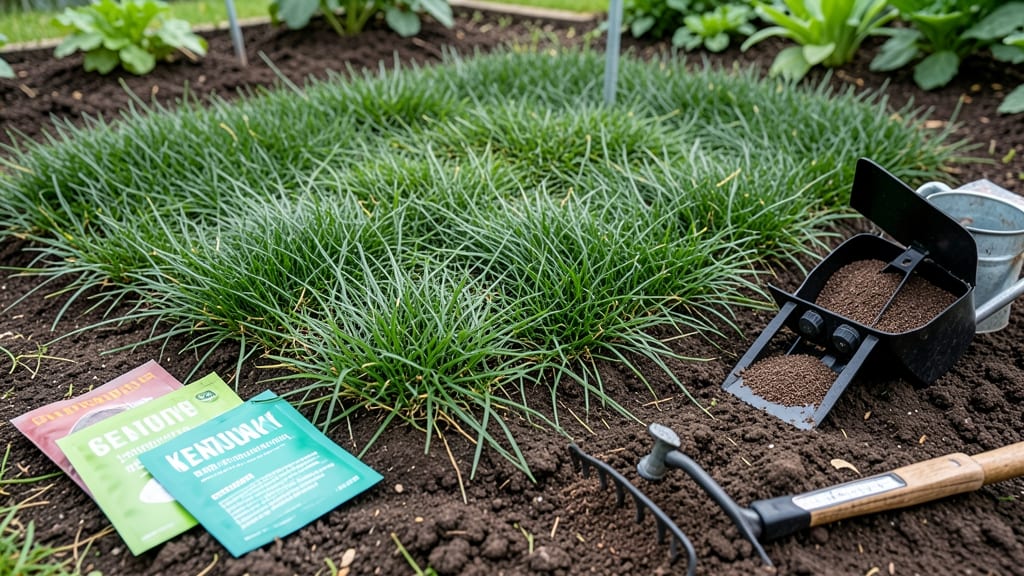
Timing your grass seed planting in Minnesota can feel like a guessing game—one wrong move, and you’re staring at patchy lawns or wasted seed. But here’s the good news: with the right approach, you can establish a fast-growing, thick lawn that outpaces weeds and drought stress.
Minnesota’s USDA zones 3-5 mean your planting window is narrower than you might think. Whether you’re in the Twin Cities or the Iron Range, the key lies in soil temperatures, frost dates, and choosing between spring or fall planting.
Skip the trial-and-error and learn the exact windows that work best for your region.
Spring planting offers a 6-12 month head start, but fall gives grass roots time to anchor before winter. We’ll break down the science behind each season, so you can pick the strategy that fits your schedule—and your lawn’s needs.
Ready to skip the guesswork? Let’s dive into the ideal planting times, soil prep secrets, and maintenance tips that’ll have your 🌱 grass thriving in no time.
Best planting windows for Minnesota grass seed: spring vs fall timing guide
Minnesota’s cool-season climate creates two ideal windows for planting grass seed: early spring and early fall. The key is avoiding frost while ensuring soil temperatures stay 50-65°F for optimal germination. Let’s break down the exact timing and regional variations that matter most for Minnesota lawns.
For spring planting, aim for late April to early May—about 4-6 weeks before your area’s average last frost date. In southern Minnesota (USDA zones 4-5), this might be early April, while northern areas (zone 3) should wait until mid-May.
Fall planting works best from mid-August to early September, giving seeds time to establish before winter.
Cool-season grasses like Kentucky Bluegrass, Fine Fescue, and Perennial Ryegrass dominate Minnesota lawns. These varieties thrive in our climate but need precise timing to outcompete weeds. Planting too early risks frost damage, while waiting too long lets weeds take over.
Southern Minnesota’s milder winters allow slightly earlier spring planting, but northern regions must wait for soil to warm. Fall planting is more forgiving—just ensure seeds germinate before first frost, typically mid-October. Let’s compare the two seasons side by side to help you decide.
| Factor | Spring Planting (Mar-May) | Fall Planting (Aug-Oct) |
|---|---|---|
| Best Months | Late April–Early May | Mid-August–Early September |
| Soil Temp | 50–65°F (after frost) | 50–65°F (before frost) |
| Pros | Longer growing season | Fewer weeds, stronger roots |
| Cons | Weed competition increases | Limited time before frost |
| Best For | New lawns or repairs | Overseeding or thin areas |
Spring planting gives your grass 6-8 weeks of growth before summer heat sets in, but weeds like crabgrass and dandelions will compete aggressively. Fall planting, however, lets seeds establish when weeds are dormant, resulting in a denser, healthier lawn by next spring.
If you’re in southern Minnesota, you can push spring planting to early April, but northern gardeners should wait until mid-May to avoid frost. For fall, aim to finish planting by early September—seeds need 4-6 weeks to germinate before winter sets in.
Pro tip: Check your local Almanac frost dates and adjust by 2-3 weeks. For example, Duluth’s last frost is often May 15, while Rochester’s is around May 5. Plant accordingly to maximize your lawn’s success.
Regardless of season, always test your soil’s pH (6.0–7.0 ideal) and add compost or peat moss if needed. Minnesota’s clay-heavy soil benefits from sand or gypsum to improve drainage. With the right timing and prep, you’ll see visible germination in 7–14 days.
Remember: Fall planting is often the winner in Minnesota because cooler temps reduce stress on young grass. But if you miss fall, don’t wait until summer—spring is your next best shot.
5 Critical factors that determine your planting success in Minnesota
When planting grass seed in Minnesota, success hinges on five key factors that interact with your local climate. Ignore these, and you’ll face slow germination, weed competition, or wasted seed. Let’s break down what truly matters for your cool-season grasses like Kentucky Bluegrass or Fine Fescue.
First, soil temperature is non-negotiable. Seeds need soil that’s at least 50°F (10°C) for 4-6 weeks straight. In Minnesota, this typically means waiting until mid-April to early May in the south and late May in the north. Cold soil delays germination, leaving your lawn vulnerable to weeds.
Next, frost dates dictate your window. Planting 4-6 weeks before the last frost (usually mid-May) gives seeds time to sprout before summer heat arrives. For fall planting, aim for 6 weeks before the first frost (typically mid-September) to allow roots to establish before winter.
Rainfall patterns play a surprising role. Minnesota’s spring showers can be a blessing, but summer droughts mean you’ll need to supplement watering. Plan for 1 inch of water per week during establishment, especially in USDA zones 3-4 where moisture retention is lower.
Your grass seed variety also matters. Perennial Ryegrass germinates faster (5-10 days) than Fine Fescue (14-21 days), so adjust your timing if you’re mixing types. For example, blend Kentucky Bluegrass (slow to establish) with Ryegrass (fast) to fill gaps quickly.
Finally, microclimates can shift your ideal window by weeks. A south-facing slope warms faster than a shaded yard, while northern Minnesota stays colder longer. Check your last frost date using the MN State Climatology Office for precise local data.
Pro tip: Use a soil thermometer to monitor temperatures before planting. If your soil is still below 50°F, wait—even if the air feels warm. Patience here means thicker, faster-growing grass with fewer weeds.
By aligning these five factors with your Minnesota location, you’ll transform guesswork into a guaranteed green lawn. Start with soil temps, then work backward from frost dates, and you’ll be mowing a lush yard in no time. 🌱