
Plants
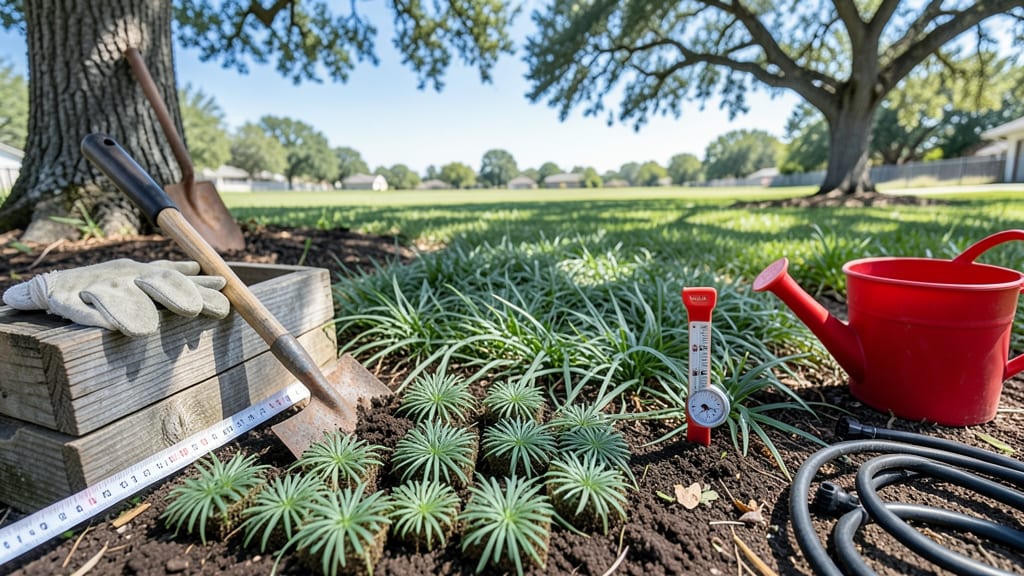
Planting Bermuda Grass 🌱 in California isn’t just about grabbing seeds and digging in—it’s about timing your move to avoid heat stress or winter dieback. The wrong window could mean struggling with slow growth or even losing your investment before the grass ever takes hold.
California’s diverse climate—from coastal chill to inland heat—means the perfect planting window varies by region. Whether you’re in coastal 9b-10a, inland 8a-9b, or desert 9b-10a, knowing when to start is the key to a lush, fast-growing lawn.
I’ve seen firsthand how a single month’s delay can turn a thriving lawn into a patchy disappointment. In this guide, I’ll break down the exact months to plant by zone, plus pro tips to get your grass off to the fastest, most resilient start.
Ready to skip the guesswork? Let’s dive into the science-backed schedule that’ll have your Bermuda Grass thriving in no time.
Best months to plant Bermuda grass in California by climate zone
California’s diverse microclimates mean your Bermuda grass planting window depends on whether you live near the coast, in the Central Valley, or in desert regions. Timing is critical—plant too early, and you risk spring frost; too late, and your grass won’t establish before summer heat.
Let’s break it down by zone to ensure your lawn thrives.
For coastal California (e.g., San Francisco, Santa Barbara), the ideal planting window is March through May or August through September. These areas enjoy mild winters and cool summers, allowing your grass to root before extreme heat.
In contrast, inland zones (Sacramento, Fresno) should aim for April–June or late August–early October to avoid late spring frost or early winter dormancy.
Desert regions (Palm Springs, Riverside) have the longest growing season—plant in March–April or September–October. Here, soil stays warm year-round, but summer heat can stress new seedlings. Early fall planting gives your grass time to establish before winter rains arrive.
Soil temperature is your best guide. Bermuda grass needs soil that’s at least 65°F (18°C) at 4-inch depth. Use a soil thermometer to check—if it’s cooler, wait. Coastal areas hit this mark by late March, while inland valleys may need to wait until April or May.
Here’s a quick regional cheat sheet to avoid common mistakes. For example, planting in November in the Central Valley risks winter dormancy, while June planting in desert zones means battling 100°F+ soil.
🌱 California Bermuda Grass Planting Guide by Zone
| Zone | Best Planting Months | Soil Temp Requirement | Key Consideration |
|---|---|---|---|
| Coastal (e.g., San Diego, SF) | March–May or August–September | 65°F+ (late March) | Avoid summer fog stress |
| Central Valley (e.g., Sacramento, Fresno) | April–June or Late August–Early October | 65°F+ (April) | Watch for late spring frost |
| Desert (e.g., Palm Springs, Riverside) | March–April or September–October | 65°F+ (year-round) | Water deeply to prevent drought stress |
Note: Adjust for microclimates—e.g., inland foothills may need 2 weeks later than valley floors.
If you’re in Southern California, September planting is ideal—it gives your grass 3–4 months to establish before winter rains arrive. Meanwhile, Northern California gardeners should aim for late April–early June to avoid cooler nights that slow growth.
Pro tip: Sod vs. seed matters. Bermuda sod can be installed 2–3 weeks earlier than seed because it’s already established. For seeds, wait until soil is consistently warm (test with your hand—if it’s too hot to hold for 5 seconds, wait).
One common mistake is planting too late in fall. By November, days shorten, and root growth slows. If you miss the September window, wait until next spring. Patience pays off—rushed planting leads to thin, weak grass that struggles in summer.
For coastal gardeners, late August is a sweet spot—it’s hot enough for growth but not yet peak summer drought. Inland areas should avoid June planting; the heat and dryness will stress seedlings. Instead, late August gives your grass a head start before winter.
Remember: Bermuda grass is a warm-season grass. It goes dormant in winter in cooler zones, so fall planting ensures it’s rooted and ready to bounce back in spring. Don’t skip soil prep—amend clay-heavy soils with compost and ensure good drainage to prevent rot.
Best months to plant Bermuda grass in California by climate zone
California’s climate varies dramatically from coastal fog belts to desert heat, making timing critical for Bermuda grass success. Planting too early risks frost damage, while late planting can stress roots before summer heat.
Let’s break down the ideal windows for each region to maximize your lawn’s survival and growth.
In coastal areas (e.g., San Francisco, Santa Barbara), mild winters mean you can plant as early as March–April or as late as October. However, inland regions like the Central Valley or Southern California deserts demand earlier action—late August to early September—to avoid winter dormancy.
Desert zones (e.g., Palm Springs) can even extend planting to November if soil stays warm.
Soil temperature is your #1 guide. Bermuda grass thrives when soil reaches 65–70°F. Use a soil thermometer to confirm readiness—coastal areas hit this mark by late April, while inland zones may wait until June. Planting when soil is too cool slows root growth and invites weeds.
🌱 California Bermuda Grass Planting Windows by Region
| Region | Ideal Planting Window | Soil Temp Requirement | Key Consideration |
|---|---|---|---|
| Coastal (SF, LA) | March–April or Sept–Oct | 65–70°F | Mild winters; avoid summer heat stress |
| Inland (Sacramento, Fresno) | Late Aug–Early Sept | 70–75°F | Hot summers; plant before heat peaks |
| Desert (Palm Springs) | Aug–Nov | 75–80°F | Extreme heat; extend window with shade cloth |
⚠️ Pro Tip: Coastal areas can plant twice yearly (spring/fall), while inland zones stick to fall-only for best results.
For Southern California (e.g., Los Angeles, San Diego), aim for September planting to beat the summer dry spell. The Mediterranean climate here means fall rains will help roots establish before winter. If you miss this window, late spring (May) is a backup—but expect slower growth due to heat.
Microclimates matter! A valley vs. hillside can shift your ideal window by weeks. Hillsides warm faster in spring, so you might plant 2–3 weeks earlier than valley floors. Test soil in multiple spots—especially if your yard has shady pockets—as Bermuda grass struggles in low-light areas.
Remember: Bermuda grass is a warm-season grass, meaning it goes dormant in winter. Planting too late (e.g., November in inland zones) risks weak roots before cold sets in. Coastal areas are the exception—year-round growth is possible with proper care.
Start with bare-root plugs or sod in your chosen window, then water deeply for 2 weeks to encourage root spread. Adjust your schedule based on local weather forecasts—a sudden cold snap can derail even the best-laid plans.
With the right timing, your Bermuda lawn will thrive year after year! 🌿