
Plants
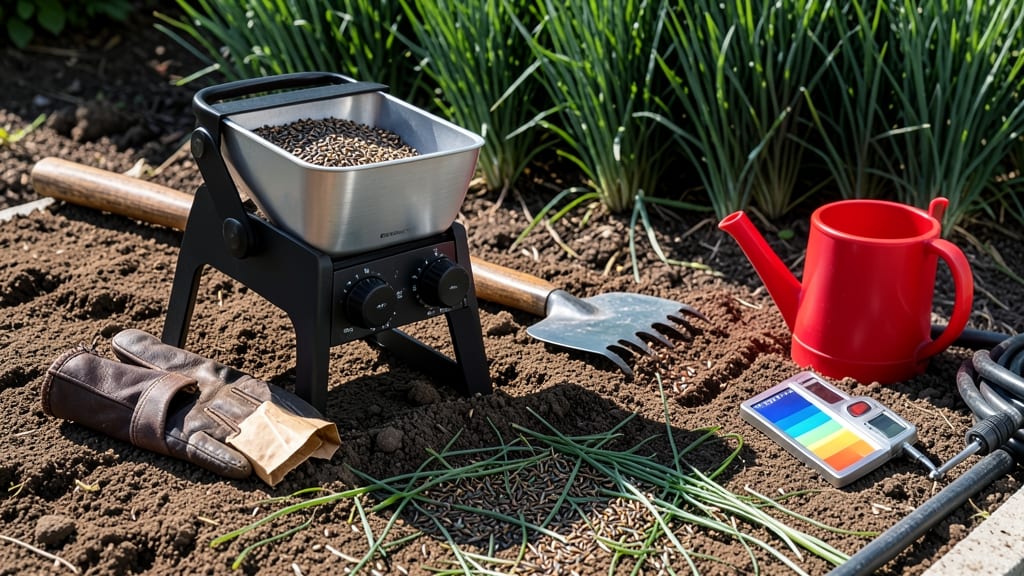
The best time to plant grass seed in North Carolina isn’t just about picking a month—it’s about outsmarting your local climate. Whether you’re in the Piedmont’s rolling hills or the coastal plains’ humid stretches, timing can mean the difference between a lush lawn and a patchy disappointment. With frost dates shifting from March 15 in the east to April 10 in the mountains, even a week off can throw off your entire project.
Most gardeners swear by early spring (March-April) or early fall (August-September), but why? Cool-season grasses like fescue and ryegrass thrive when soil temps hover around 55–65°F, giving seeds the perfect chance to germinate before summer’s scorching heat.
Miss this window, and you’re battling weeds or watching your seed bake in the sun.
Here’s the game-changer: soil temperature matters more than the calendar. Use a soil thermometer to confirm conditions—if it’s too hot or too cold, your grass won’t take root.
I’ll break down the exact steps to prep your soil, choose the right variety for your NC zone, and keep your lawn thriving once those first green shoots appear.
Ready to skip the guesswork? Let’s dive into the ideal planting schedule, regional tweaks, and pro tips to ensure your grass grows thick, fast, and without the headaches. Your lawn’s transformation starts now.
North Carolina’s ideal grass planting windows by heat zone (cool-season grasses only)
North Carolina’s cool-season grasses like tall fescue, ryegrass, and bluegrass thrive when planted during moderate temperatures—not too hot, not too cold. The best windows are early spring and early fall, but your USDA heat zone (5b-8a) dictates the exact timing.
For example, mountain regions (Zone 5b-6a) have earlier frost dates, while coastal plains (Zone 8a) can extend planting into October.
Timing isn’t just about avoiding frost—it’s about root establishment. Grass seeds need consistent soil temps above 55°F to germinate. Plant too early, and frost will kill seedlings; too late, and summer heat stresses young roots.
The ideal soil temp range for cool-season grasses is 60–75°F, which aligns with March–April and August–September in most of NC.
Here’s the breakdown by USDA zone and grass type, including exceptions for warm-season grasses (like Bermuda) that thrive in summer but aren’t the focus here. We’ll zero in on cool-season varieties, which dominate NC lawns.
🌱
| USDA Zone | Best Planting Window | Grass Types | Soil Temp | Why This Timing? |
|---|---|---|---|---|
| 5b–6a (Mountains) | Early spring: March 15–April 15 Early fall: August 15–September 15 |
Tall fescue, Kentucky bluegrass | 55–65°F (spring) 60–70°F (fall) |
Avoids late frosts (April 10 avg) and summer drought stress. |
| 6b–7a (Piedmont) | Early spring: March 20–April 30 Early fall: August 1–September 30 |
Fine fescue, ryegrass mixes | 60–75°F (spring) 65–75°F (fall) |
Balances humidity and rainfall for consistent moisture. |
| 7b–8a (Coastal Plains) | Early spring: March 1–April 15 Early fall: August 15–October 15 |
St. Augustine (warm-season), but cool-season: ryegrass for winter cover | 65–80°F (spring) 70–80°F (fall) |
Extended growing season allows later fall planting without frost risk. |
| All Zones (Exception) | Never plant in summer (June–July) or during drought. | Cool-season grasses | Above 80°F | Heat stress kills seedlings; weed competition peaks in summer. |
For Zone 5b–6a (mountains), aim for March 15–April 15 in spring and August 15–September 15 in fall. These dates give seedlings 4–6 weeks of growth before the average first frost (around October 20 in the mountains).
In the Piedmont (Zones 6b–7a), you’ve got a slightly longer window—March 20–April 30 in spring and August 1–September 30 in fall—thanks to milder winters.
The coastal plains (Zones 7b–8a) are the most forgiving, with a later frost date (around November 10) and warmer soil. Here, you can push planting into mid-October for fall seedings, but avoid late October if frost is forecasted.
Pro tip: Use a soil thermometer to confirm temps are above 60°F before planting—this is your fail-safe for any zone.
Why does fall planting often outperform spring? Because cool-season grasses establish deeper roots in fall when temps are warm but not scorching, and they enter winter hardened off.
Spring plantings can struggle with drought stress as summer approaches, while fall seedlings have time to root deeply before winter dormancy.
If you’re planting ryegrass for winter color, late summer (August) is ideal—it germinates quickly and provides instant green-up before frost. For tall fescue, which is drought-tolerant, early fall gives it time to outcompete weeds before winter.
🌿
One last tip: Overseeding in fall is a game-changer for NC lawns. Spread 1–2 lbs of seed per 100 sqft in September to fill in thin spots. Pair this with a light fertilizer application
North Carolina’s ideal grass planting windows by heat zone (cool-season grasses only)
North Carolina’s USDA zones 5b–8a create wildly different conditions for planting grass seed. In the coastal plains (Zone 8a), you might still see germination in October, while the mountains (Zone 5b) demand an earlier March–April start.
Cool-season grasses like tall fescue and Kentucky bluegrass thrive when soil temps stay between 55–65°F, so timing is everything.
Most NC gardeners target two prime windows: early spring (March–April) and early fall (August–September). Spring planting lets seeds germinate before summer’s heat, while fall gives grass a head start before winter dormancy.
But soil temperature, not just the calendar, dictates success—use a soil thermometer to confirm conditions before planting.
Here’s the breakdown by zone, including exact months and why they work best for your region:
| USDA Zone | Best Planting Window | Why It Works | Grass Varieties |
|---|---|---|---|
| 5b–6a (Mountains) | March 15–April 15 | Cooler temps, lower risk of summer drought. | Tall fescue, fine fescue |
| 6b–7a (Piedmont) | March 1–April 30 or August 15–September 15 | Balanced humidity; avoids extreme heat/cold. | Kentucky bluegrass, ryegrass blends |
| 7b–8a (Coastal Plains) | March 15–April 30 or August 1–October 15 | Extended growing season; fall planting benefits from rain. | Bermuda grass (warm-season), tall fescue |
If you plant in spring, aim for 4–6 weeks before the last frost (typically March 15–April 15 in most zones). This gives seeds time to germinate before summer heat sets in.
For fall planting, stop by 6–8 weeks before the first frost (usually mid-September in the mountains, October near the coast) to ensure roots establish before winter.
Pro tip: Overseeding in fall is a game-changer for NC lawns. Cool temps and increased rainfall create ideal conditions for thick, weed-resistant growth. Just avoid planting if soil temps drop below 50°F—your seeds will rot instead of sprout.
One last rule: Never plant in summer unless you’re using warm-season grasses like Bermuda or Zoysia. Cool-season varieties will bake in the heat and fail to establish. Stick to the cool months, and your lawn will thank you with deep roots and lush growth all year.