
Plants
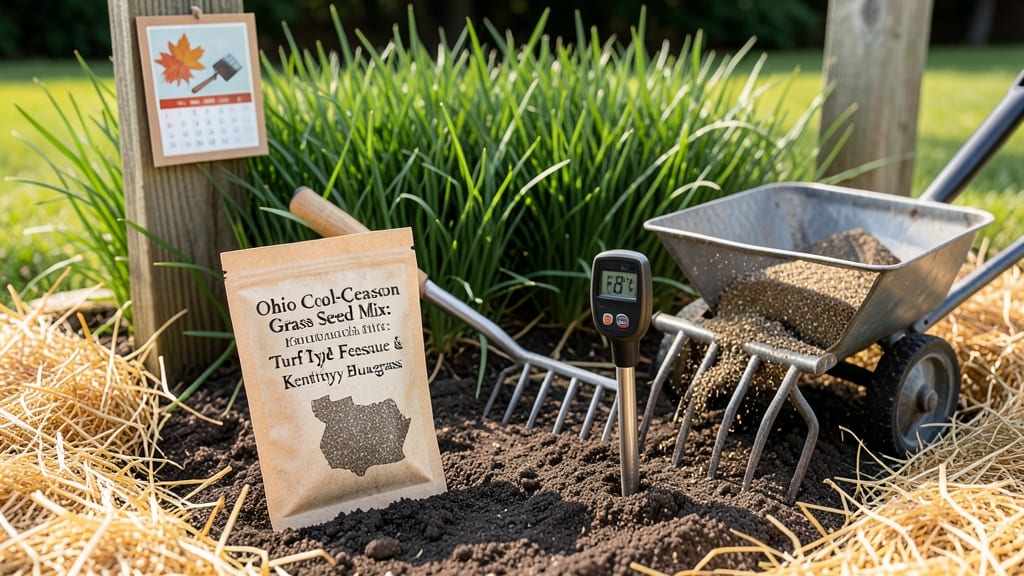
Planting grass seed in Ohio at the wrong time can turn your dream of a lush lawn into a patchy, weed-infested disappointment. Whether you're in USDA Zone 6a or dealing with Ohio's unpredictable spring rains, timing is everything for fast, healthy establishment.
Most gardeners know spring and fall are the best windows, but did you know September through October often gives you a stronger start than April showers? The 6-12 month establishment period means getting it right the first time saves you time, money, and frustration down the road.
In this guide, I'll break down exactly when to plant in Ohio's climate—whether you're working with cool-season grasses in northern Ohio or warm-season varieties in the south. You'll learn how to read soil temperatures, avoid common mistakes, and use local resources like Ohio State University Extension to get expert advice.
Ready to transform your yard into a vibrant green space? Let's dive into the fastest way to establish grass that stays thick and weed-free all season long.
Ohio’s best grass seed planting seasons: spring vs fall compared
Ohio’s climate—with its USDA Zone 5-6 classification and unpredictable weather swings—demands precise timing for grass seed planting. While both spring and fall offer ideal windows, the best choice depends on your grass type, location within Ohio, and local microclimates.
Let’s compare the two seasons to help you decide when to plant for the fastest, most resilient lawn.
Most Ohio gardeners favor fall planting (September-October) because cooler temperatures and consistent rainfall create perfect conditions for seed germination. However, spring planting (March-May) works well if you’re dealing with warm-season grasses or missed the fall window.
The key difference? Fall gives seeds 6-8 weeks of growth before winter dormancy, while spring seeds race against summer heat and drought.
Here’s how the two seasons stack up for Ohio’s most common grass types—tall fescue, Kentucky bluegrass, and perennial ryegrass—along with soil temperature and frost risks.
| Factor | Spring Planting (March-May) | Fall Planting (September-October) |
|---|---|---|
| Ideal Soil Temp | 50-65°F (after last frost) | 50-65°F (before first frost) |
| Grass Types | Cool-season (tall fescue, KBG) | Cool-season (all types) |
| Frost Risk | High (late April) | Low (after mid-October) |
| Rainfall | Variable (spring showers) | Consistent (fall rains) |
| Establishment Time | 6-12 months (summer stress) | 4-8 months (cooler growth) |
| Weed Competition | Moderate (spring weeds) | Low (fall weeds dormant) |
| Ohio Region Fit | North/Central Ohio | All regions (best for south) |
For northern Ohio, where frost lingers until mid-April, spring planting should wait until late April to avoid seed loss. Meanwhile, southern Ohio can start as early as March due to warmer microclimates.
Fall planting, however, is nearly universal—just aim to finish by mid-October to allow roots to establish before winter.
One often-overlooked factor is soil preparation. Ohio’s clay-heavy soils benefit from amending with compost 4-6 weeks before planting, regardless of season. This improves drainage and seed-to-soil contact, critical for germination rates. Test your soil’s pH (ideal: 6.0-7.0) using a kit from Ohio State University Extension for localized adjustments.
If you’re torn between seasons, consider your lawn’s current state. A bare or thin lawn thrives with fall planting, while a newly constructed soil bed may need spring’s warmer temps to kickstart growth.
For warm-season grasses like Bermuda or Zoysia, plant in late spring (May-June) when soil temps exceed 65°F.
Pro tip: Use a soil thermometer to monitor temps—seeds need 50-65°F for consistent germination. Ohio’s USDA Zone 6a means you’ll hit this range reliably in late April (spring) and September (fall). Track local frost dates via the National Weather Service or Ohio AgriWeather Network for precision.
Remember, the 6-12 month establishment period means rushing won’t help—patience pays off. Fall-planted seeds often outperform spring seeds by 30% in density due to cooler stress and fewer weeds. But if you’re in a hurry, spring planting with pre-emergent herbicide (applied post-germination) can suppress weeds during the critical growth phase.
5 Critical factors that determine the perfect planting time in Ohio
Ohio’s climate isn’t one-size-fits-all, so your planting window depends on 5 key factors. Ignoring these can lead to slow germination, weed invasion, or even seed loss. Let’s break down what truly matters for your region.
First, soil temperature is non-negotiable. Grass seeds need soil between 50-65°F to germinate properly. In Ohio, this typically aligns with late April to early May in spring and September to early October in fall. Use a soil thermometer to check—if it’s cooler, wait.
Next, rainfall patterns play a huge role. Ohio’s spring showers can drown seeds, while summer droughts stress new growth. Aim for 1-1.5 inches of rain per week or supplement with gentle watering. Fall planting often wins because steady rainfall helps seeds establish without summer heat stress.
Don’t overlook frost dates. Planting too early risks frost damage. In most of Ohio, the last frost date is around mid-April, while the first frost hits mid-October. For fall planting, seed 4-6 weeks before frost to give roots time to anchor.
Your grass type also dictates timing. Ohio’s cool-season grasses (like Kentucky Bluegrass and Fescue) thrive when planted in early spring or fall, while warm-season varieties (like Bermuda) need late spring to early summer. Check your seed bag—mixing types often leads to disappointment.
Finally, soil prep sets the stage. Ohio’s clay-heavy soils can suffocate seeds if not loosened. Test your soil’s pH (ideal: 6.0-7.0) and amend with compost or lime if needed. Proper prep ensures seeds make contact with moisture and nutrients.