
Plants
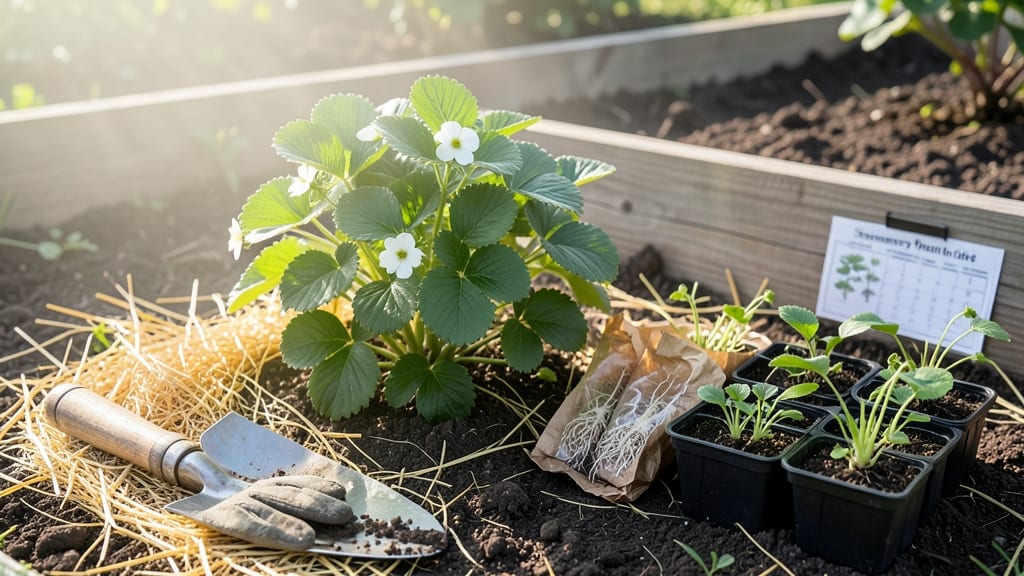
Timing your strawberry planting in New York isn't just about luck—it's the difference between a bumper crop of juicy 🍓 berries and a sad, frost-nipped disappointment.
With New York's varied climate zones (like 5a-7b), knowing when to plant in spring or fall can mean the difference between thriving plants and wasted effort.
Most gardeners in the Empire State swear by two windows: late April to early June for spring planting, or late August to early September for fall.
But here's the catch—your exact deadline depends on whether you're in upstate New York or the city, and whether you're planting bare-root or potted varieties. Get this right, and you'll enjoy harvests from June through September.
I'll break down the optimal planting deadlines for your specific zone, including how to prepare your soil and protect your plants from New York's unpredictable weather. Whether you're a first-time gardener or a seasoned pro, these insights will help you avoid common mistakes and maximize your yield.
Ready to transform your garden into a strawberry paradise? Let's dive into the exact timing, soil prep secrets, and care tips that'll have your plants producing berries like a pro. Your first perfect harvest starts with planting at the right time—and that's exactly what we're covering here.
New York strawberry planting deadlines by hardiness Zone (spring vs fall)
New York's diverse climate—spanning USDA Zones 5a to 7b—means your strawberry planting timeline depends heavily on where you live.
In the northern regions (Zones 5a-6a), like the Adirondacks or Western NY, you’ll need to wait until late April to early May for spring planting, while gardeners in Zones 6b-7b (Long Island, Hudson Valley) can start as early as mid-April.
The key is planting 4-6 weeks before your last frost date, which typically falls between mid-April and early May.
For fall planting, aim for late August to early September—this gives roots time to establish before winter. In colder zones (5a-6a), opt for June-bearing varieties planted in spring, while everbearing or day-neutral types can handle fall transitions better.
Soil temperature should be above 45°F (7°C) for successful root growth.
Here’s a quick reference for your zone:
| Zone | Spring Planting Window | Fall Planting Window | Last Frost Date | Soil Temp Requirement |
|---|---|---|---|---|
| 5a-6a (Northern NY) | Late April - Early May | Late August - Early September | Mid-April to Early May | 45°F+ (7°C+) |
| 6b-7a (Central NY) | Mid-April - Early May | Early September - Mid-September | Early April - Mid-April | 45°F+ (7°C+) |
| 7b (Long Island, Hudson Valley) | Early April - Early May | Mid-August - Early September | Late March - Early April | 45°F+ (7°C+) |
Pro tip: Use bare-root plants in early spring for best results, but if you’re planting in late spring or summer, opt for potted varieties to avoid transplant shock. Always soak bare roots in water for 1-2 hours before planting to rehydrate them.
In Zone 5a, like parts of the Catskills, extend your growing season by planting everbearing varieties in both spring and fall. These produce two harvests per year—one in early summer and another in late summer/fall.
Just be sure to mulch heavily in winter to protect roots from freeze-thaw cycles.
For urban gardeners in NYC (Zone 7a-7b), focus on container growing with day-neutral varieties like 'Albion' or 'Seascape'. These thrive in pots 12+ inches deep and produce fruit continuously from spring to fall.
Plant in late April to early May for a June harvest or late August for a fall crop.
Watch for false springs, where warm weather tricks you into planting too early. Check your local National Weather Service or Cornell Cooperative Extension for 10-day forecasts before committing. A late frost can devastate young plants, so have frost cloth ready just in case.
Once planted, water deeply 2-3 times per week to encourage root growth. Avoid overhead watering to prevent fungal diseases like gray mold, and consider drip irrigation for consistency. Mulch with straw or pine needles to retain moisture and suppress weeds.
🌱
Spring vs fall planting: which works best for New York gardeners?
Deciding between spring and fall planting for strawberries in New York depends on your local climate, soil conditions, and even the variety you choose. Both seasons offer advantages, but each comes with unique challenges that can make or break your harvest.
Let me break down the key factors to help you decide which timing aligns best with your garden's needs.
Spring planting is the most popular choice for New York gardeners because it aligns with the natural growing cycle. When you plant in late April to early June, your strawberries get a full growing season to establish roots, produce flowers, and bear fruit before winter.
This method is especially effective for June-bearing varieties, which produce a single large harvest in early summer. The downside? Early spring frosts can still nip tender new growth if you plant too soon.
Fall planting, on the other hand, gives your strawberries a head start. By planting in late August to early September, you allow the roots to establish before winter, resulting in earlier fruit production the following year.
This approach works exceptionally well for everbearing and day-neutral varieties, which can produce fruit throughout the season. However, fall-planted strawberries need extra protection from harsh winters, especially in Zone 5a areas like upstate New York.
Spring Planting
- Full growing season for root and fruit development
- Better suited for June-bearing varieties
- Easier to manage pests in cooler weather
- Risk of frost damage if planted too early
- Longer time to first harvest
- Weed competition increases as plants grow
For fall planting, the advantages lean toward earlier harvests and stronger root systems heading into winter. However, you'll need to take extra steps to protect your plants from freezing temperatures.
In Zone 6 and 7 areas like Long Island or the Hudson Valley, fall planting can be a game-changer, especially if you use mulch or row covers to insulate the soil. The key is to plant early enough that the roots have time to establish before the ground freezes.
Your choice also depends on your local microclimate. Urban gardeners in New York City might face more heat island effects in summer, making fall planting a safer bet to avoid heat stress.
Meanwhile, rural gardeners in upstate New York with colder winters may prefer spring planting to avoid winter kill. Always check your last frost date and plan accordingly—this is the golden rule for successful strawberry cultivation in New York.
No matter which season you choose, remember that preparation is key. Whether you're planting in spring or fall, focus on well-draining soil, adequate sunlight, and consistent watering. These factors will determine whether your strawberries thrive or struggle, regardless of the timing.
With the right approach, you can enjoy a bountiful harvest year after year—no matter when you plant.