
How To
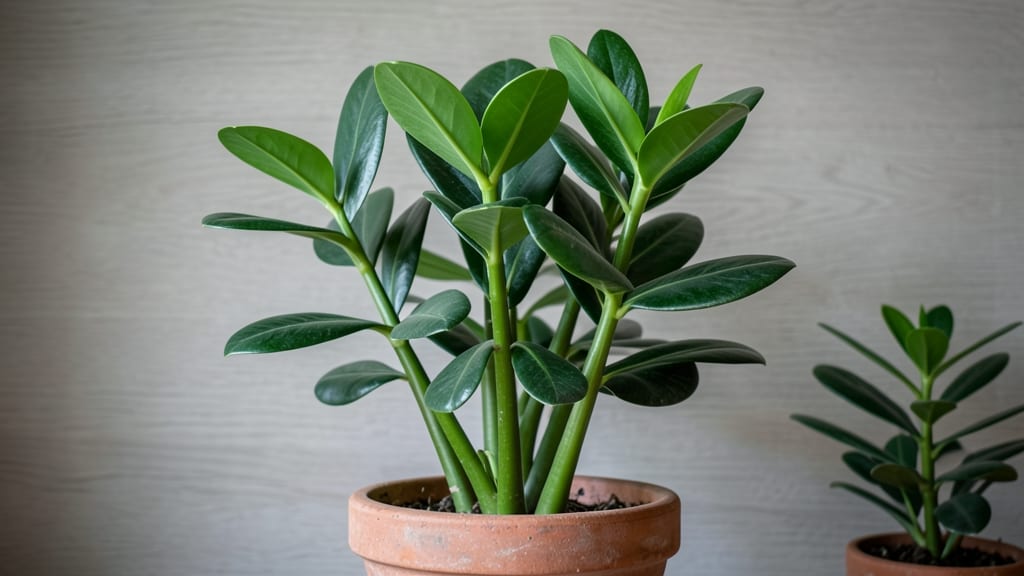
If you’ve ever wondered how tall a ZZ Plant can grow before it stretches toward your ceiling, the answer depends on its variety, care routine, and even the pot you choose—but most mature ZZ Plants cap out between 2 and 3 feet, making them perfect for both small apartments and larger spaces.
The key to controlling its growth lies in understanding its natural tendencies. While some varieties like the ZZ Plant ‘Raven’ stay compact, others can reach their full height faster with just a little extra light or room to grow.
The good news? You don’t need a green thumb to keep it in check—simple adjustments like pruning or repotting can steer its size exactly where you want it.
Whether you’re dealing with a 1-foot-tall baby plant or a leggy 3-footer, I’ll break down the science behind ZZ Plant height—plus the easy care tweaks to keep it at your ideal size. Ready to learn how to manage this plant’s growth without the guesswork?
From low-light corners to sunny windowsills, discover how to nurture your ZZ Plant so it stays the perfect height for your space—no matter where you live in USDA Zone 6a or beyond.


ZZ plant height ranges by variety: from petite to towering
The ZZ plant (Zamioculcas zamiifolia) is famous for its resilience and striking glossy leaves, but its height varies dramatically depending on the variety and growing conditions.
On average, most mature ZZ plants reach 2 to 3 feet tall, but some varieties stay compact while others can stretch toward the ceiling. Understanding these differences helps you choose the right plant for your space—whether it’s a desk shelf or a floor plant corner.
Standard ZZ plants (the most common variety) typically grow 2 to 3 feet tall indoors, with a similar spread. However, newer cultivars like ZZ Plant 'Raven' or 'Kent' may stay slightly shorter, around 1.5 to 2.5 feet, making them ideal for smaller spaces.
The key to predicting height lies in the plant’s genetics and how you care for it—especially light exposure and pot size.
| Variety | Mature Height | Growth Habit | Best For |
|---|---|---|---|
| Standard ZZ Plant | 2–3 ft | Slow, vertical growth | Floor plants, statement pieces |
| ZZ Plant 'Raven' | 1.5–2.5 ft | Compact, bushier | Desk shelves, small spaces |
| ZZ Plant 'Kent' | 1.5–2 ft | Slow-growing, dense foliage | Tabletops, offices |
| ZZ Plant 'Lisianthus' | 2–3 ft | Taller stems, variegated leaves | Floor corners, bright rooms |
The standard ZZ plant is the tallest variety, often reaching 3 feet in ideal conditions, while 'Raven' and 'Kent' stay shorter and bushier.
If you’re growing a ZZ plant outdoors in USDA Zone 10 or warmer, it can grow even taller, up to 4 feet, because of increased light and space. However, most people grow ZZ plants indoors, where height is easier to control with pruning and pot size.
One common misconception is that ZZ plants grow quickly. In reality, they’re slow growers, adding only 6 to 12 inches per year under normal conditions. This makes them perfect for low-maintenance plant lovers who want a long-term addition to their home without constant repotting.
If you notice your ZZ plant growing too fast, it’s likely a sign of excessive light or over-fertilizing.
For indoor growers, the pot size plays a huge role in height. A smaller pot (6–8 inches) will restrict root growth, keeping your ZZ plant shorter and bushier. Conversely, a large pot (12+ inches) encourages taller growth as the plant has more room to establish its rhizomes.
If you’re aiming for a compact ZZ plant, opt for a tight pot and avoid fertilizing heavily.
Light is another critical factor. While ZZ plants tolerate low light, they grow taller and leggier when placed in bright, indirect light.
If your ZZ plant starts stretching toward the light, it’s a clear sign it needs to be moved to a sunnier spot (but avoid direct sun, which can scorch the leaves). Rotating your plant quarterly ensures even growth and prevents it from leaning in one direction.
Outdoor ZZ plants, when grown in warm climates, can develop thicker stems and longer leaves, but they rarely exceed 4 feet unless given ample space. In containers outdoors, their height is usually limited by the pot size, similar to indoor growth.
If you’re considering growing a ZZ plant outdoors, choose a large container with drainage and place it in partial shade to prevent leaf burn.
If you’re still unsure about your ZZ plant’s potential height, consider its age. A 1-year-old ZZ plant is typically 1 to 2 feet tall, while a 3-year-old will have reached its mature height of 2 to 3 feet.
Patience is key—ZZ plants don’t rush, and their slow growth is part of their charm. With the right care, you can enjoy a healthy, proportionate ZZ plant that fits perfectly in your space.
Ready to control your ZZ plant’s height? The next step is understanding how care conditions like pruning, humidity, and watering can shape its growth. Let’s dive into those techniques next! 🌿
How care conditions dramatically affect ZZ plant growth height
Your ZZ plant’s height isn’t set in stone—it’s heavily influenced by its environment. While the standard Zamioculcas zamiifolia typically reaches 2-3 feet, factors like light exposure, pot size, and humidity levels can push it toward the shorter or taller end of that spectrum.
Even subtle changes in care can transform your plant from a desk buddy to a floor-filling statement piece.
For example, a ZZ plant basking in bright indirect light may grow 10-15% taller than one tucked in a dim corner. This isn’t just about height—it’s about leaf density and stem thickness.
Too little light? Expect leggy, sparse growth. Too much direct sun? You’ll see sunburned tips and stunted vertical progress. Finding that sweet spot is key to controlling your plant’s stature.
Here’s the catch: Pot size plays a bigger role than most gardeners realize. A ZZ plant in a cramped 6-inch pot will focus its energy on root expansion rather than vertical growth, often staying under 2 feet.
But move it to a 16-inch container, and you’ll likely see it reach 3 feet within 2-3 years. The extra space encourages upward growth, as the plant stretches to fill the available volume.
⚠️ Overcrowded Roots = Stunted Growth
ZZ plants thrive when their roots have room to breathe. If you notice roots circling the pot or leaves yellowing, it’s time to upgrade. Repot into a container 2-3 inches wider to encourage healthy vertical growth. Never use a pot more than 4 inches larger than the plant’s current height—this triggers excessive root growth over foliage.
Humidity also sneaks into the equation. While ZZ plants are famously drought-tolerant, they’ll grow 15-20% taller in moderate humidity (40-60%) compared to dry air. In arid climates, consider placing a pebble tray under the pot or misting leaves occasionally.
Just avoid soggy soil—root rot from overwatering will halt growth entirely.
Pruning habits can also manipulate height. If you trim back leggy stems regularly, you’ll encourage a bushier, more compact shape. But if you let it grow wild, those glossy leaves will keep climbing.
Even propagation affects height—when you snip off a stem to propagate, the mother plant may focus energy on filling gaps, resulting in a slightly shorter stature.
Finally, don’t overlook the temperature factor. ZZ plants grow fastest in 65-75°F conditions. Drop below 50°F, and growth nearly stops. Place your plant near a heat source (like a sunny window) to keep it growing upward rather than slowing down entirely.