
Plants
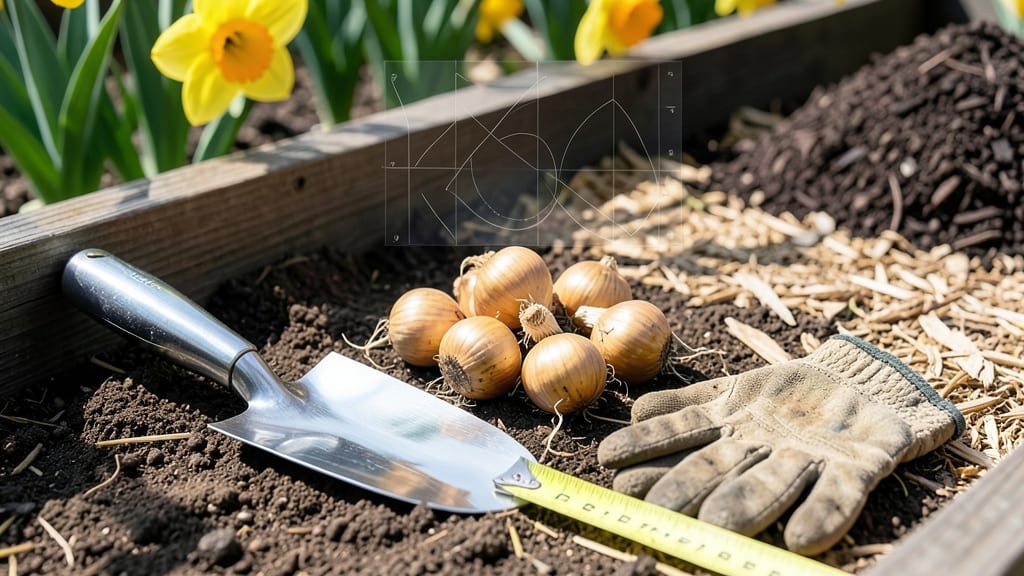
Timing your daffodil planting in New York isn’t just about throwing bulbs in the ground—it’s the secret to those cheerful 🌼 blooms popping up every spring like clockwork.
With New York’s USDA zones 5b-7a and unpredictable frost dates, getting the timing right means the difference between a garden full of life and a missed opportunity.
Fall is your golden window—September through November—when soil temps cool down and bulbs can settle in before winter. But here’s the catch: planting too early or late can leave your daffodils vulnerable to frost or rot.
I’ll break down the exact dates and soil prep tricks to ensure your bulbs thrive, whether you’re in NYC or upstate.
You don’t need a green thumb to master this—just a few key steps. From choosing the right soil to picking the perfect spot, I’ll walk you through everything you need to know. Let’s turn your fall planting into a spring spectacle that’ll make your neighbors green with envy.
Ready to dive in? By the end, you’ll know exactly when to plant, how deep to go, and why October might just be the magic month for your 🌼 daffodils to shine.
Best fall planting months for daffodils in New York (with exact dates)
New York’s cool fall temperatures and frost-free soil create the perfect window for planting daffodil bulbs. Unlike spring planting, fall gives bulbs time to establish roots before winter dormancy.
For USDA zones 5-7 across New York, aim to plant between late September and early November, but exact timing depends on your region.
In southern New York (zones 6-7), like Long Island or NYC, you can start as early as late September. Upstate in zones 5-6, wait until mid-October to avoid early frosts.
The key is planting 6-8 weeks before the ground freezes, which typically happens by mid-November in most areas.
🌼 New York Daffodil Planting Timeline
| Region | Best Planting Window | Soil Temp Threshold | Key Consideration |
|---|---|---|---|
| NYC/Long Island (Zone 7a) | Late Sept - Early Nov | 50-60°F | Urban heat islands may delay frost |
| Upstate (Zone 6a) | Mid-Oct - Early Nov | 45-55°F | Cooler nights require later planting |
| Adirondacks (Zone 5b) | Late Oct - Mid-Nov | 40-50°F | Early frosts limit planting window |
Use a soil thermometer to check temperatures—daffodils need 50-60°F soil to establish roots. If you’re unsure about your last frost date, consult the National Weather Service or local Cooperative Extension office for your specific area.
For container gardening, you can plant daffodils slightly later—even in December—since pots retain heat better. Just ensure they’re in a protected location before winter sets in. My own containers in Zone 6 have thrived with December planting, as long as they’re wrapped in bubble wrap for insulation.
Pro tip: Mark your calendar for October 15th, a safe middle date for most of New York. This gives you flexibility if early cold snaps arrive.
Planting too early (before September 15th) risks bulbs sprouting before winter, while planting too late (after November 15th) may not allow enough root growth before frost.
Remember, early bloomers like ‘February Gold’ need slightly earlier planting (by September 20th), while late bloomers like ‘Ice Follies’ can wait until October 15th. The right timing ensures vibrant spring blooms that brighten up New York’s often gray days.
If you miss the fall window, don’t despair—daffodils can also be planted in early spring (March-April), though they may bloom slightly later. However, fall planting is always preferred for stronger root systems and better winter hardiness in New York’s climate.
For gardeners in microclimates, like sheltered south-facing slopes, you might extend the planting window by 1-2 weeks. Conversely, exposed areas should follow the earlier guidelines to avoid frost damage. Always observe your garden’s unique conditions—what works in Rochester might differ from Buffalo or Albany.
Finally, consider local bulb availability. Many nurseries in New York offer fall sales in September-October, making it easier to find fresh bulbs. Stock up early to secure your favorite varieties before they sell out!
How to prepare your New York garden for daffodil planting (soil, location, and more)
Preparing your garden for daffodil planting in New York isn’t just about digging a hole—it’s about creating the perfect conditions for those bulbs to thrive. Start with well-draining soil, which is critical because daffodils hate soggy roots.
If your soil is heavy clay (common in upstate NY), mix in compost or sand to improve aeration. A soil test can reveal if your garden needs a pH adjustment—daffodils prefer a slightly acidic to neutral range of 6.0-7.0.
Next, choose a sunny location. Daffodils need at least 6 hours of sunlight daily, but they’ll reward you with bigger blooms if they get more. In NYC’s tighter spaces, a south-facing window or balcony can work, but ground planting is ideal for upstate gardens.
Avoid low-lying areas where cold air pools, as this can delay blooming or damage bulbs.
Before planting, loosen the soil to a depth of 12 inches—this helps roots establish quickly. Add a layer of organic mulch (like shredded leaves) after planting to insulate bulbs from winter temperature swings.
This is especially important in New York’s USDA zones 5b-7a, where winter temps can fluctuate wildly.
Planting too deep can rot bulbs—aim for 6-8 inches deep, with the pointy end up. Skipping soil prep in heavy clay leads to poor drainage, while ignoring frost dates (plant by mid-November) risks winter damage. Never plant in wet soil—wait for ground temps to drop below 60°F.
Timing your soil prep is key. Work the soil 2-3 weeks before planting to let amendments settle. If you’re planting in containers, use a mix of potting soil and perlite for drainage.
Containers also let you control soil conditions better, which is a lifesaver in NYC’s urban heat islands where soil can stay warmer longer.
Finally, consider companion planting. Daffodils deter squirrels and deer (a plus in upstate NY!), but they also pair well with tulips or alliums for layered color. Just keep them 6 inches apart to prevent overcrowding. With these prep steps, your daffodils will be ready to burst into bloom next spring.
Now that your garden is prepped, you’re one step closer to a daffodil-filled spring—just don’t forget to mark your planting spots so you can enjoy the process (and the blooms!) next year. 🌼