
Plants
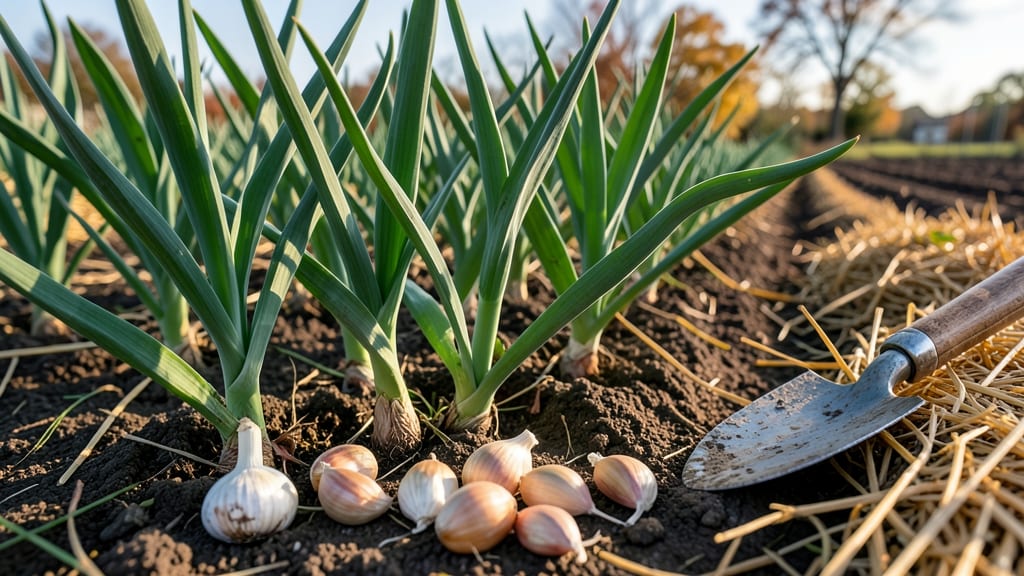
If you've ever wondered when to plant garlic in Upstate New York, timing is everything—especially in Zones 5b-6b where winters can be unforgiving.
Planting too early or late means risking frost damage or stunted growth, but get it right, and you’ll grow hardy varieties like Rocambole that thrive in this climate.
For most Upstate gardeners, the sweet spot is mid-to-late October, when soil temperatures drop to 40–50°F—just before the ground freezes. This gives your 🧄 cloves time to root deeply before winter dormancy, setting the stage for a robust harvest the following July.
But don’t stress if October slips by; early spring planting (as late as March) can still work with adjustments.
What sets Upstate apart? Our microclimates—whether you’re in the Finger Lakes or Adirondacks—mean frost dates vary slightly. The key is planting 4–6 weeks before the first hard freeze, usually by mid-November. Skip the guesswork with soil thermometers or local frost charts to lock in success.
Ready to grow garlic that rivals the pros? I’ll walk you through the exact schedule, soil prep tricks, and how to avoid common mistakes that ruin harvests. Let’s get those cloves in the ground the right way.
Optimal planting windows for hardneck garlic in Upstate NY (zone 5-6)
Upstate New York’s Zone 5-6 climate creates a unique challenge for garlic growers—plant too early, and frost will damage tender shoots; too late, and bulbs won’t mature properly before summer heat.
The key is planting hardneck varieties like Rocambole or Purple Stripe between mid-October and early November, when soil temps drop to 40–50°F. This timing ensures cloves establish roots before winter dormancy while avoiding spring harvest delays.
In microclimates like the Adirondacks, where winters arrive earlier, aim for late September to mid-October planting. Meanwhile, the Finger Lakes region can extend the window until early November due to slightly milder winters.
Always check your last frost date—Upstate NY’s typically falls around mid-November—and plant 4–6 weeks before that date to give garlic time to root.
| Planting Window | Soil Temp | Moon Phase | Notes |
|---|---|---|---|
| Mid-October | 45–50°F | Waxing gibbous | Best for Adirondacks |
| Late October | 40–45°F | Full moon | Ideal for Finger Lakes |
| Early November | 35–40°F | Waning crescent | Risk of early frost |
Spring planting is possible but risky in Upstate NY—only attempt it if you use raised beds with black plastic mulch to warm soil faster. Plant early March to mid-April, when soil temps reach 40°F consistently.
However, spring garlic often yields smaller bulbs compared to fall-planted varieties. For best results, stick to fall planting and save spring for green garlic harvests.
Before planting, prepare your soil by amending with compost or aged manure to reach a pH of 6.0–7.0. Hardneck garlic thrives in well-draining, loose soil, so avoid compacted clay.
Work in a 1–2 inch layer of compost and mix in a balanced fertilizer (5-10-10) to provide nutrients for next year’s growth. Mulch heavily with straw or leaves after planting to insulate cloves through winter.
Garlic planted in fall will sprout the following April or May, depending on snow cover. In Upstate NY, shoots typically emerge when soil temps hit 50°F. Remove mulch in early spring to encourage growth, but keep it in place if late frosts threaten.
By June, scapes (flower stalks) will appear—pinch these off to redirect energy into bulb development.
Harvest time arrives in mid-to-late July, when lower leaves turn brown and crispy. Upstate NY’s Zone 5-6 climate means bulbs mature faster than in warmer regions, so monitor plants closely.
Cure harvested garlic in a dry, shaded area for 2–3 weeks before storing. Proper timing ensures plump, flavorful bulbs ready for winter cooking or replanting.
If you miss the fall window, don’t panic—spring planting can still work, but expect smaller yields. Use black plastic mulch to warm soil and plant softneck varieties like Silverskin, which tolerate warmer conditions. Just be prepared for a shorter growing season and potential pest pressure from spring rains.
For maximum success, mark your planting dates on a calendar and adjust yearly based on local frost patterns. Upstate NY’s variable winters mean flexibility is key—always err on the side of earlier planting rather than late.
With the right timing, you’ll enjoy homegrown garlic that rivals store-bought in flavor and size.
Optimal planting windows for hardneck garlic in Upstate NY (zone 5-6)
Upstate New York’s Zone 5-6 climate means your garlic planting window is short but critical. For hardneck varieties like Rocambole or Purple Stripe, aim to plant mid-to-late October when soil temps hit 40–50°F. This timing lets cloves root before winter dormancy, ensuring strong bulbs by next summer.
If October passes, don’t panic—early spring planting (March) still works, though yields may be smaller. The key is avoiding frost: plant 4–6 weeks before the first hard freeze (usually by mid-November). Use a soil thermometer to track temps and adjust timing for your microclimate (e.g., Adirondacks vs. Finger Lakes).
Here’s your Upstate NY garlic planting calendar broken down by region and timing:
| Region | Ideal Planting Window | Soil Temp Goal | Notes |
|---|---|---|---|
| Finger Lakes | Mid-October to early November | 40–50°F | Warmer microclimate; extend window to late November. |
| Adirondacks | Late September to mid-October | 40–45°F | Cooler climate; plant earlier to avoid early freezes. |
| Mohawk Valley | Early October to mid-November | 45–50°F | Balanced climate; flexible window with soil checks. |
| Spring Backup | Early March (Zone 5) or late March (Zone 6) | 40°F+ | Smaller bulbs; prioritize full sun and moisture. |
For raised beds, plant 1–2 weeks earlier than in-ground—soil warms faster. Use mulch (straw or leaves) to insulate cloves over winter, preventing heaving. In spring, remove mulch once shoots emerge (usually April–May), and watch for 6+ hours of sunlight daily to boost bulb growth.
Pro tip: Label your rows with planting dates to track progress. Hardneck garlic needs 240–300 days to mature, so late fall plantings will harvest in mid-July, while spring plantings may take until August. Adjust spacing to 12–16 inches apart for optimal airflow and bulb size.
Missed the window? Don’t stress—spring planting still yields, but focus on soil prep (compost + balanced fertilizer) to compensate. The goal is healthy roots before winter or consistent moisture in spring—both set the stage for a bountiful harvest. 🧄